


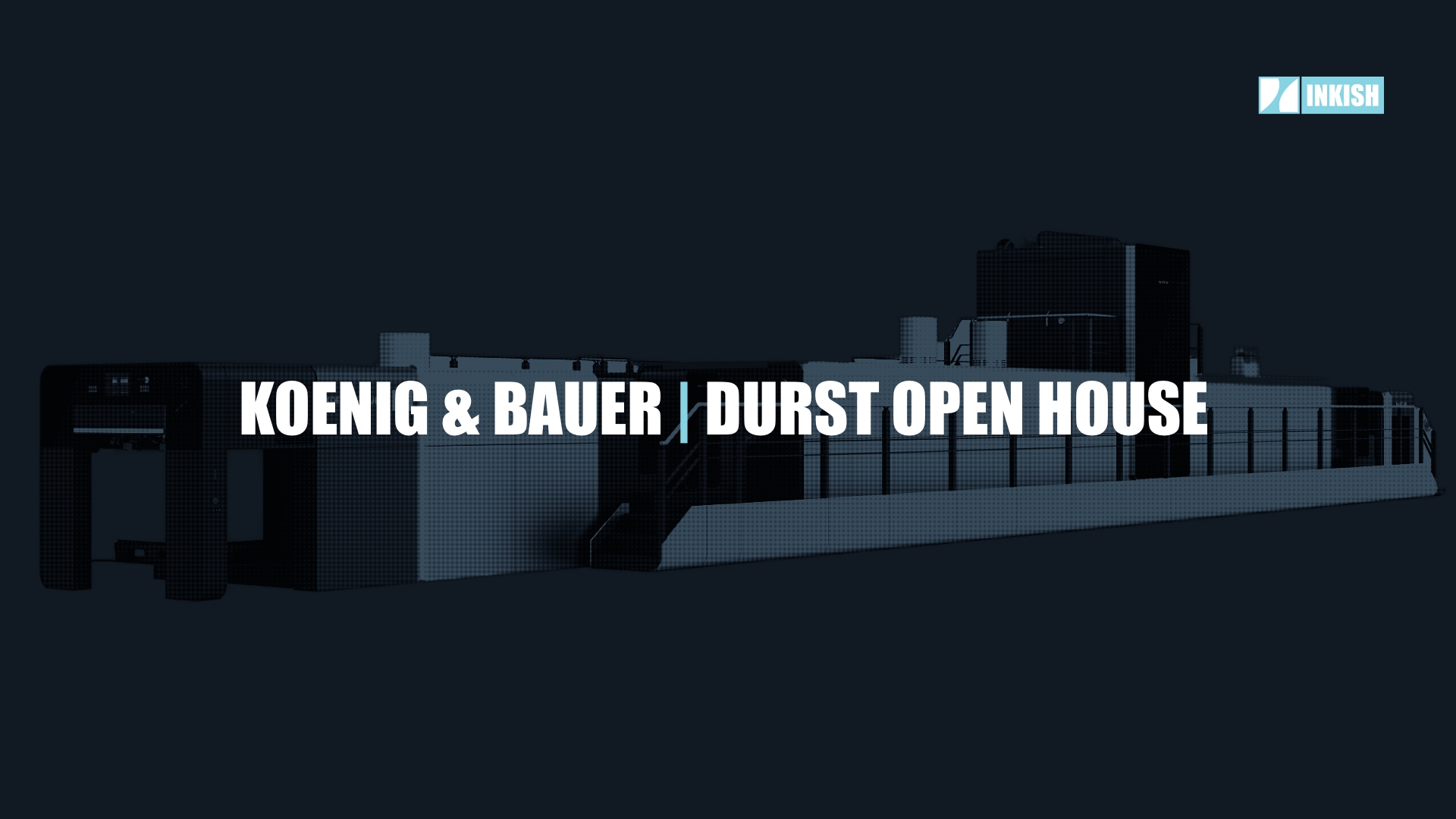






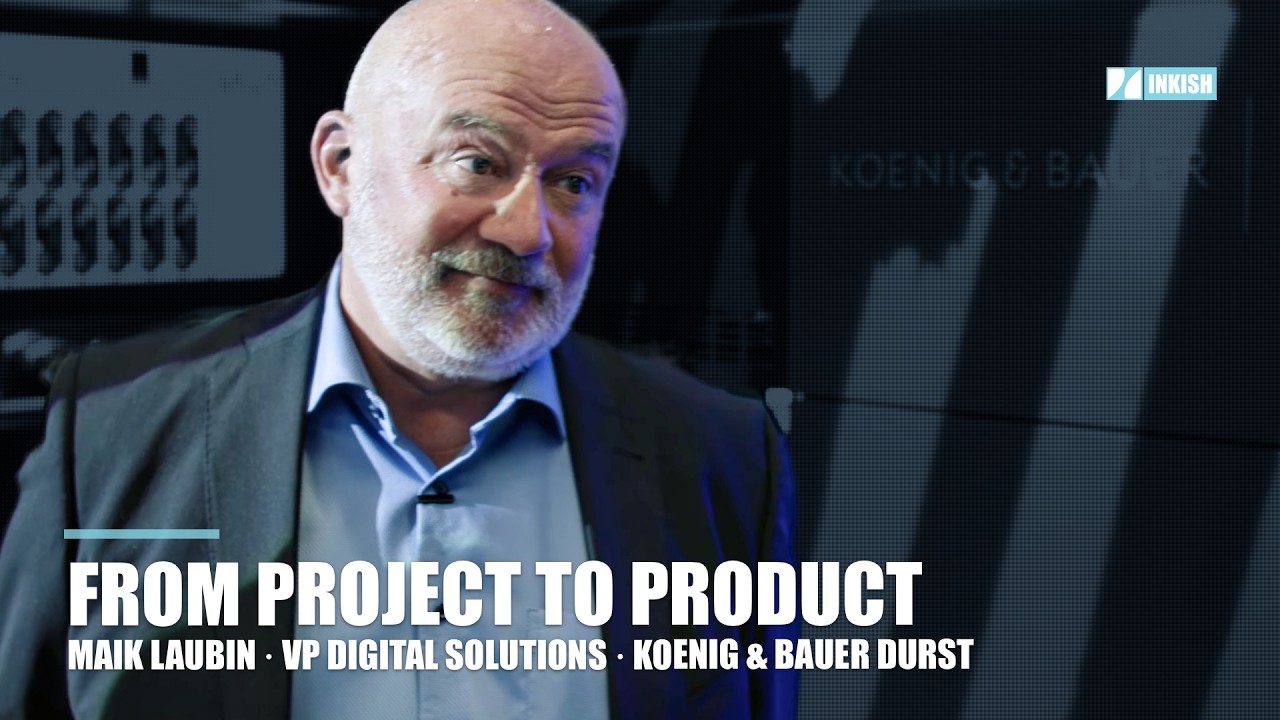
From Project to Product · Maik Laubin · VP Digital Solutions · Koenig & Bauer Durst · Open House
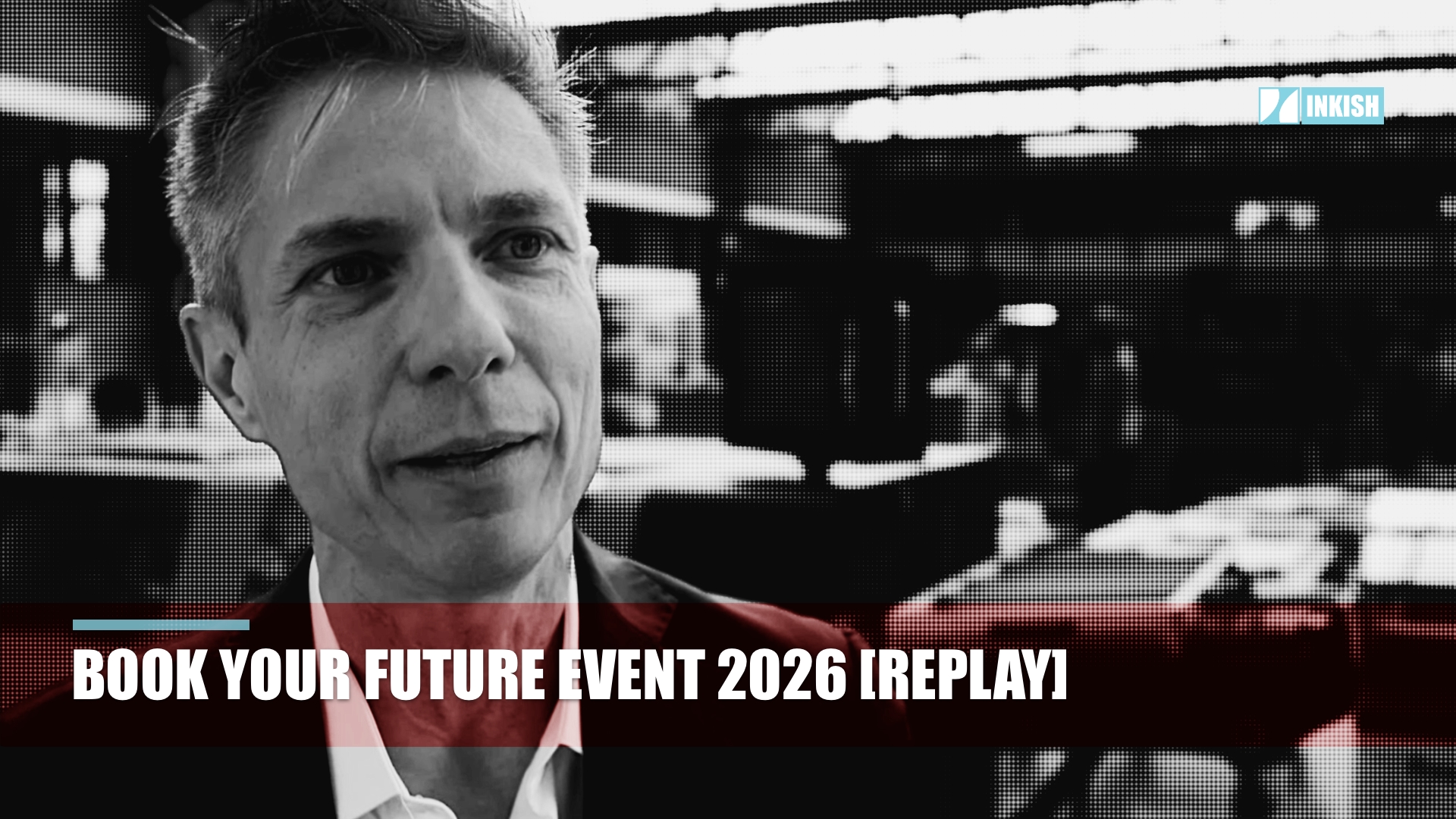
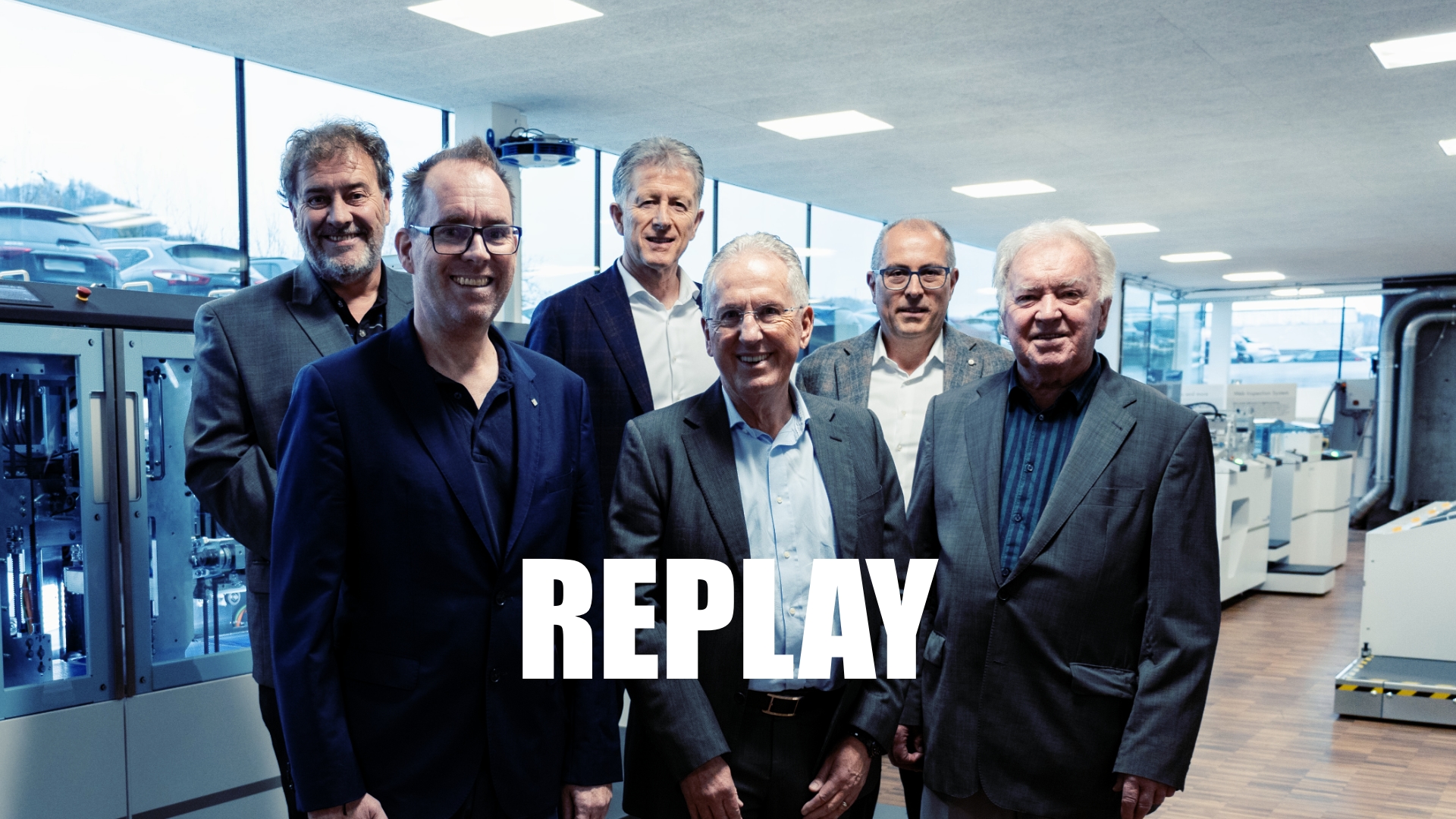
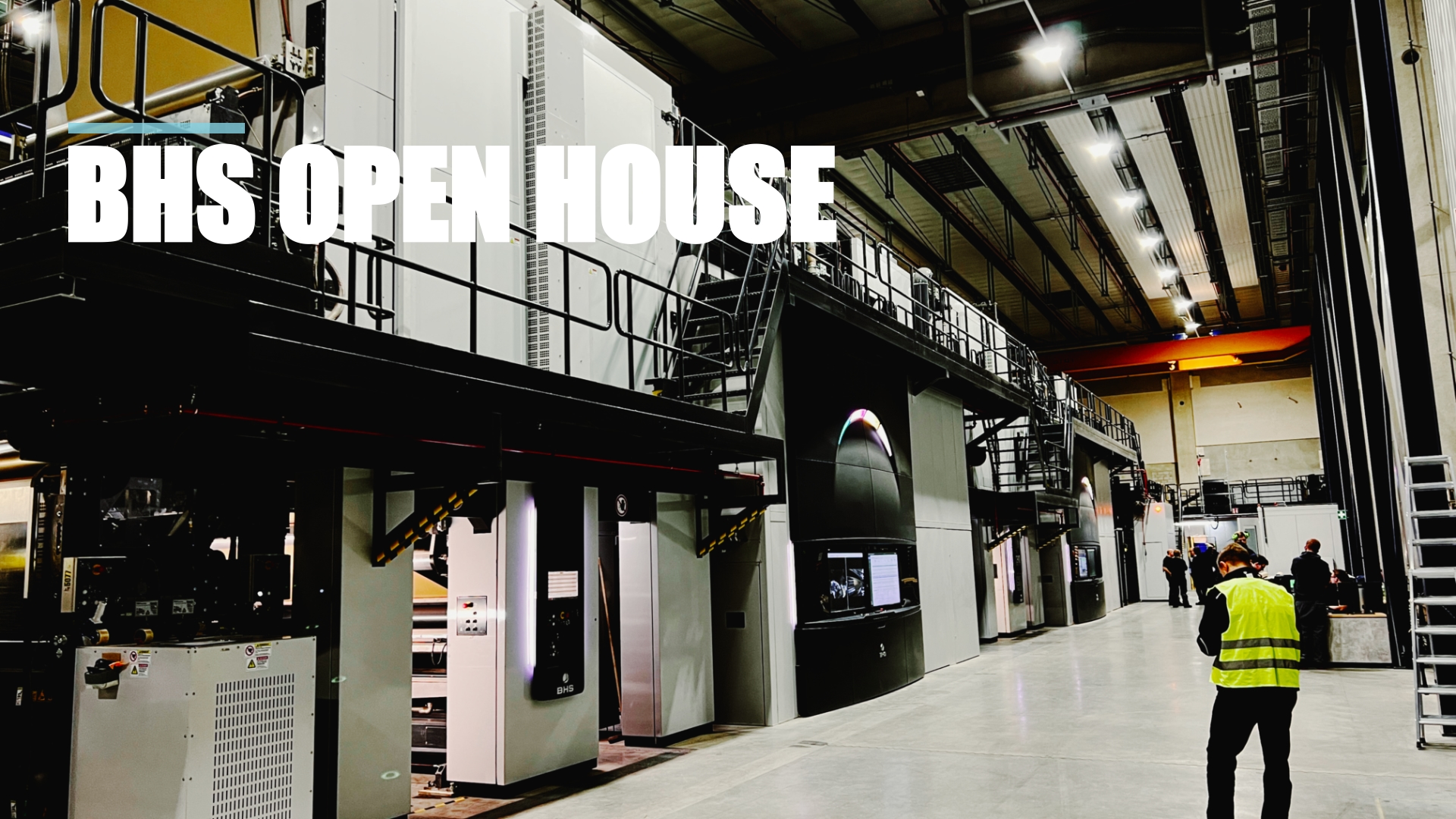
At Koenig & Bauer Durst’s variJET Open House in Radebeul, I sat down with Maik Laubin, and the conversation confirmed something I’ve been thinking every time I’ve seen the machine over the past couple of years.
The variJET has moved from development into production.
That may sound like a small distinction, but it isn’t. Anyone who has followed digital print knows how long that transition can take. You tweak inks, adjust software, improve handling, expand substrate compatibility, and every time you think you are close, something else needs to be solved. What Maik explains here is that we are no longer in that phase. There are still improvements, there always will be, but the machine is now operating as a production platform, not as an ongoing experiment.
One of the biggest hurdles has been substrates. Digital packaging has historically come with compromises, special materials, pre-coating requirements, limitations that made integration into existing workflows more complicated than necessary. The ambition with the variJET has been to remove that friction and allow converters to run the same materials they already use in offset. According to Maik, that ambition is now largely fulfilled, and that is probably one of the most important steps toward real adoption.
Because the real story here is not “digital versus offset.” It is how the two technologies work together. The variJET 106 and the Rapida 106 are built around the same format, the same production logic, and the same finishing environment. This is not about replacing one with the other, but about understanding where each technology makes the most sense. And that comes down to cost and application.
Short runs are central to that discussion, but not in the way many people still think about them. We are not talking about a few hundred sheets. We are talking about several thousand B1 sheets, where setup time, flexibility, and versioning start to outweigh the efficiencies of conventional production. That is where digital begins to make economic sense, and that is where this platform is positioned.
Color has also been a point of discussion for years, particularly in packaging where brand consistency is critical. With a seven-color configuration and extended gamut, the results coming off the variJET are now at a level where comparisons with offset are not theoretical anymore. They are practical. Whether one is “better” than the other is less relevant than the fact that both can now deliver what the market expects.
What I find more interesting is how the perception changes once people see it running. There are still customers who approach digital with skepticism, and there are others who immediately understand the implications. Some come with years of digital experience, others have none. That variation is still very present, but it is also clear that the direction is moving toward shorter runs, more complexity, and a need for greater flexibility in production.
That is exactly where this type of platform fits.
The mistake would be to look at it through an offset lens. If you do that, you reduce it to a slower version of something you already understand. If you instead look at what it enables, how it can be integrated, where it changes the economics, and how it opens up new applications, then the discussion becomes far more relevant.
This interview with Maik Laubin is not about future potential. It is about where the technology stands today and how it is being positioned in real production environments.



No Data Found.
Content for this section will appear here once available
Wed October 7th
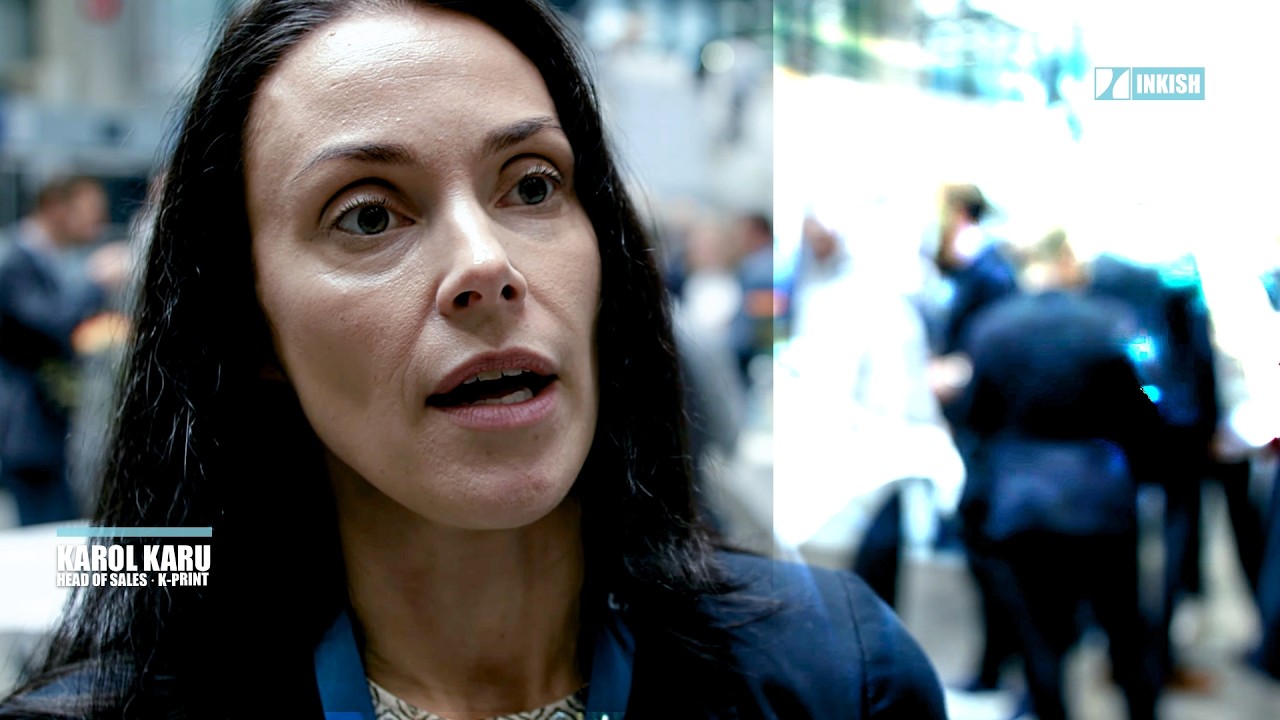
Karol Karu · Head of Sales · K-Print · Sh...
Karol Karu is the Head of Sales for Estonian printing company K-Print. In this interview, she talks about how the Nordia/Baltic consolidation is a huge advantage for them. She also surprises your humble editor by saying that they experience larger print runs on average and therefore, of course, keep an eye on digital, but they are not really afraid of the competition here. Super interesting!