






More Profitable New Opportunities · Francois Martin · Consultant · Open House
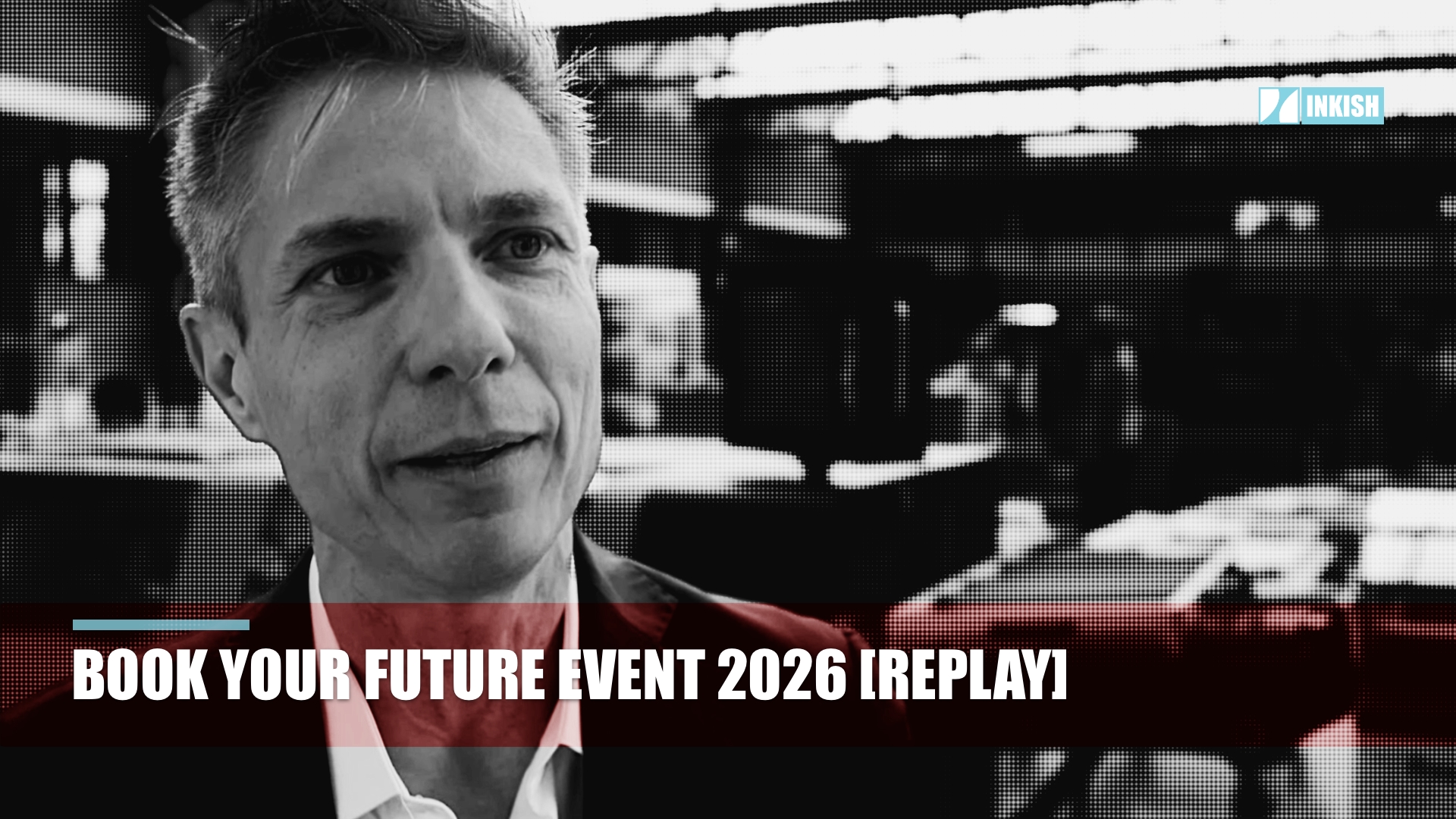
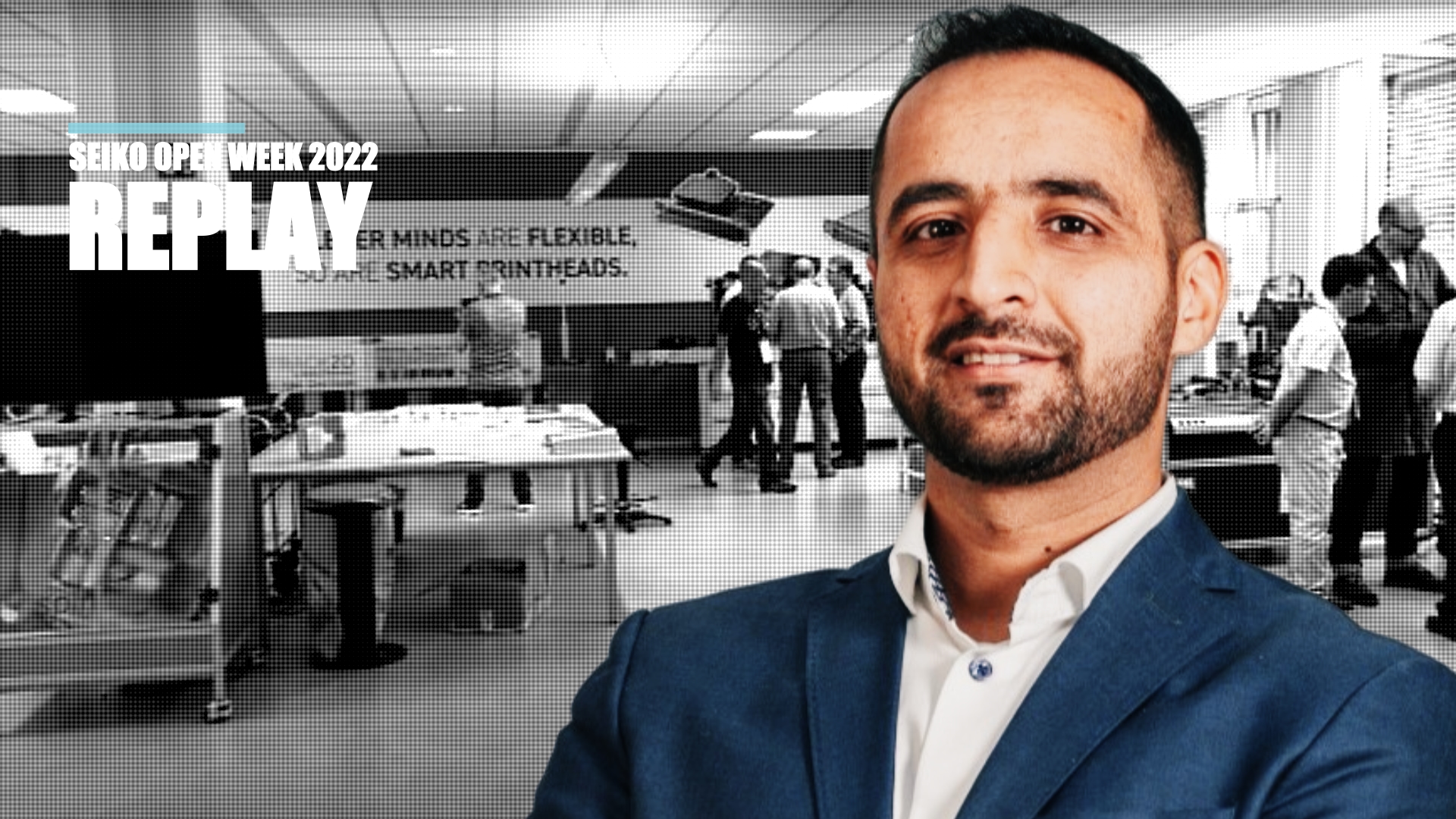
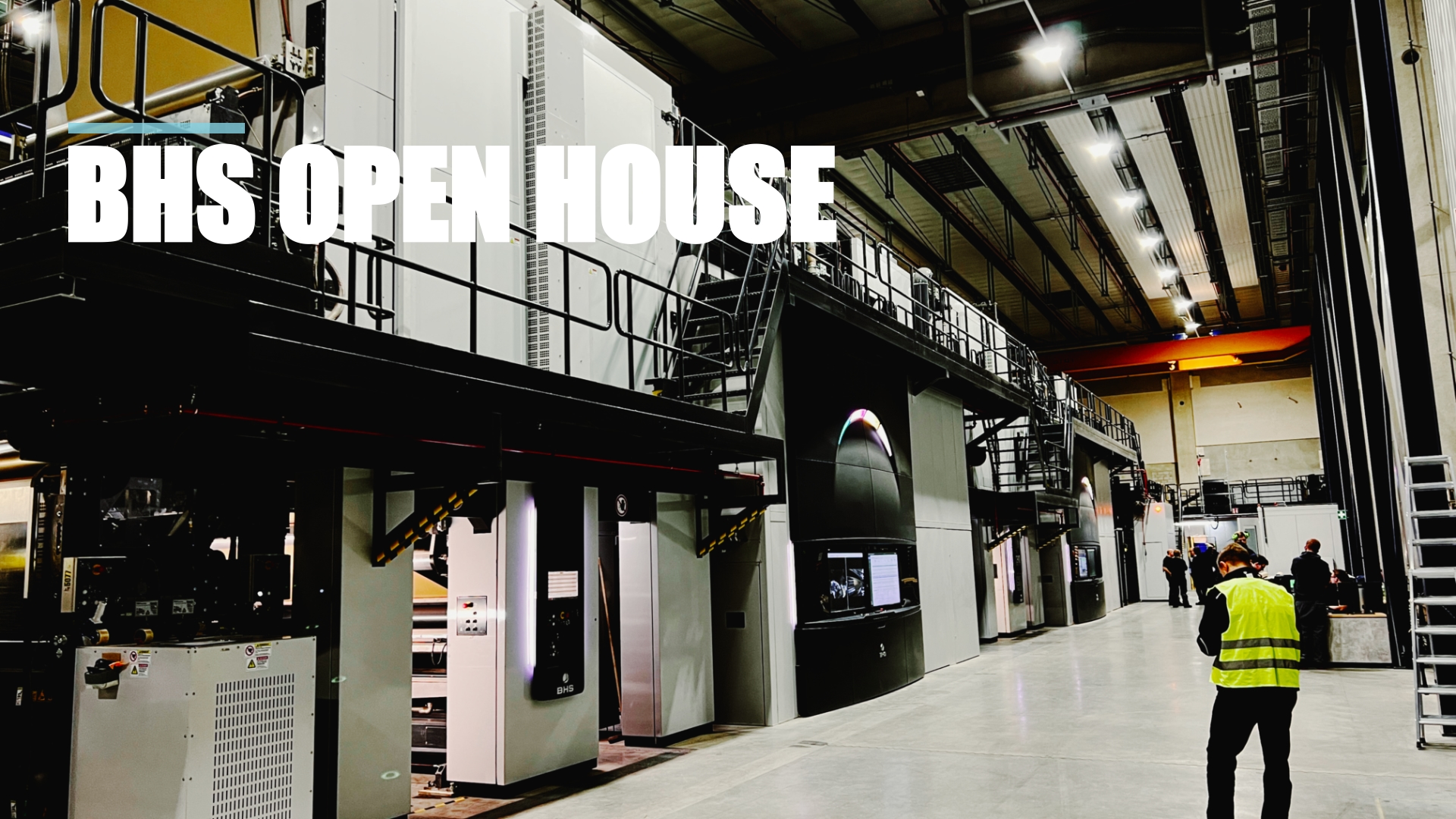
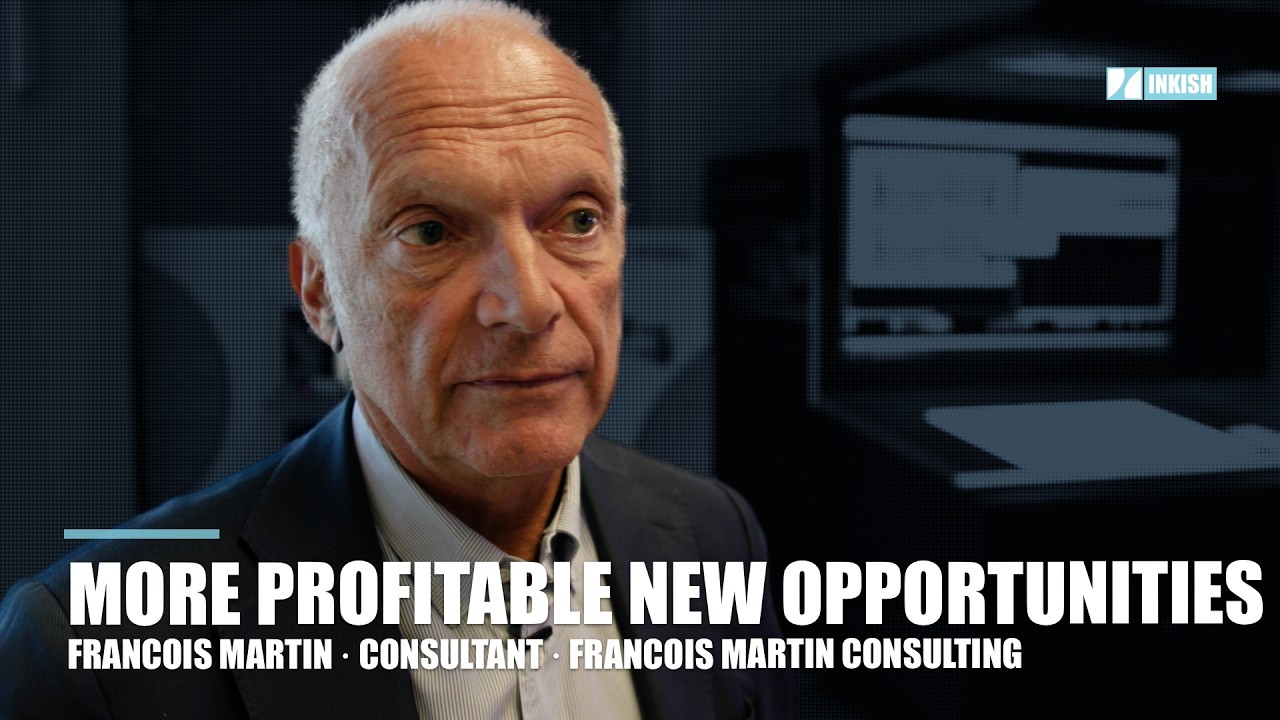
At Koenig & Bauer Durst’s variJET Open House in Radebeul, I had the pleasure of speaking with Francois Martin, and this is one of those conversations that puts everything into perspective.
Because when someone who has spent more than two decades in digital print says that what we are seeing today is the realization of ideas from 20 years ago, you listen.
Francois has seen the shift. From a time where digital was questioned, challenged, and often dismissed, to a point where it is now understood. Not as a replacement for offset, but as an enabler. And that distinction matters more than ever.
What he explains very clearly is that the conversation has changed. Years ago, digital had to defend itself, quality discussions, cost discussions, compromises. Today, those conversations are largely gone. Quality is expected. What matters now is how technologies work together.
And that’s exactly what we see here.
Offset and digital are no longer competing. They are part of the same production logic. The same workflow. The same decision-making process. Some jobs belong on offset, some belong on digital, and some sit in between. The difference today is that converters have the tools to choose.
That wasn’t the case before.
He also touches on something that is often overlooked. It’s not just about shorter runs. It’s about more jobs. More SKUs. More complexity. The volume hasn’t disappeared, but it has fragmented. And without digital, handling that complexity becomes extremely difficult.
That’s where the real value is.
I particularly liked his analogy with transportation. You don’t send a large truck into a narrow street if a small vehicle does the job better. It sounds simple, but that’s exactly how converters need to think today. Use the right tool for the right job, not the same tool for everything.
We also touched on finishing, and this is where things get interesting. Printing is becoming more flexible, more digital, but finishing is still largely conventional. Die-cutting, folding, gluing, these are areas where innovation still has room to grow. Francois is convinced that the next wave will come here, somewhere between traditional tooling and fully digital processes.
And that makes sense.
Because if digital print is about flexibility, then the entire workflow needs to follow.
Another point he raises is the value of integrated ecosystems. When one supplier can deliver printing, workflow, and finishing in a coherent system, it simplifies operations. It doesn’t mean customers are locked in, but it does mean they are building long-term relationships. And in an industry where equipment lives for 20–30 years, that matters.
This is not a transactional business. It’s a partnership.
What I take from this conversation is simple. Digital is no longer the future. It’s part of the present. The challenge now is not whether to adopt it, but how to use it effectively alongside existing technologies.
Watch the interview with Francois Martin, this is a perspective shaped by experience, and it explains very well why the industry is where it is today, and where it’s heading next.


No Data Found.
Content for this section will appear here once available
Wed October 7th
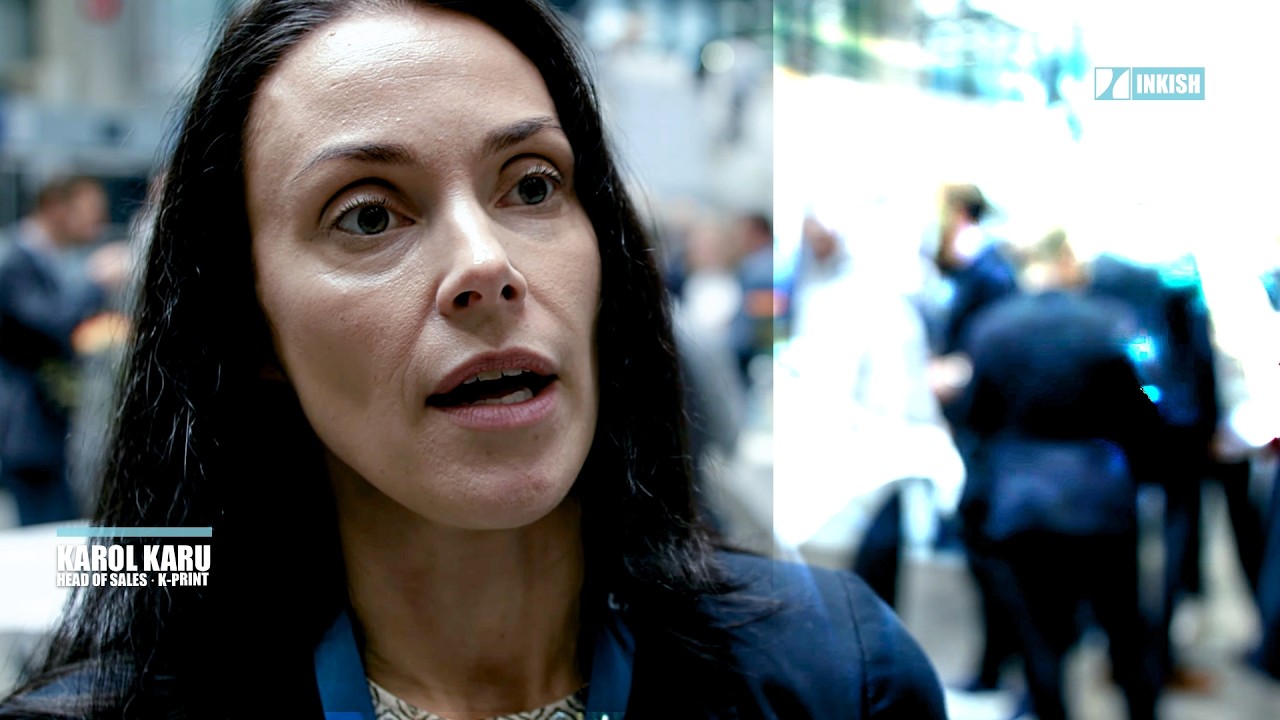
Karol Karu · Head of Sales · K-Print · Sh...
Karol Karu is the Head of Sales for Estonian printing company K-Print. In this interview, she talks about how the Nordia/Baltic consolidation is a huge advantage for them. She also surprises your humble editor by saying that they experience larger print runs on average and therefore, of course, keep an eye on digital, but they are not really afraid of the competition here. Super interesting!