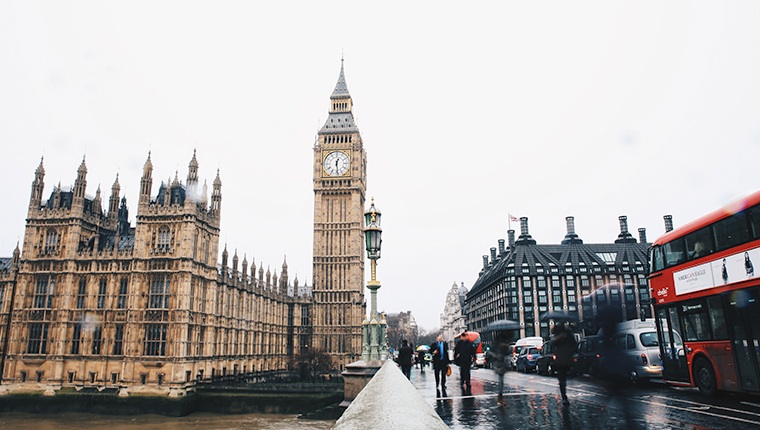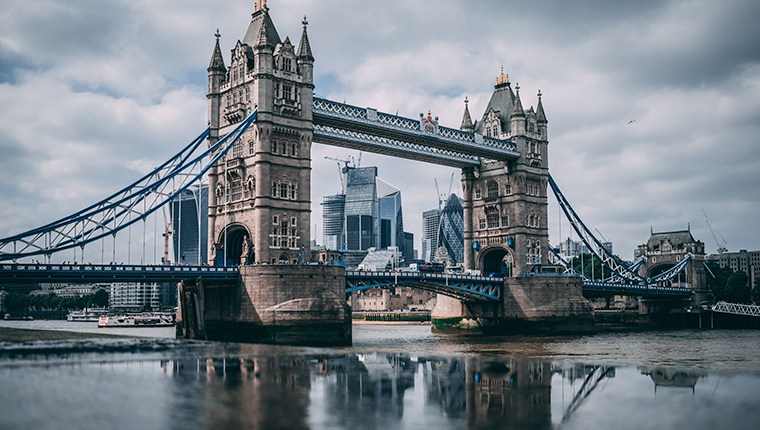













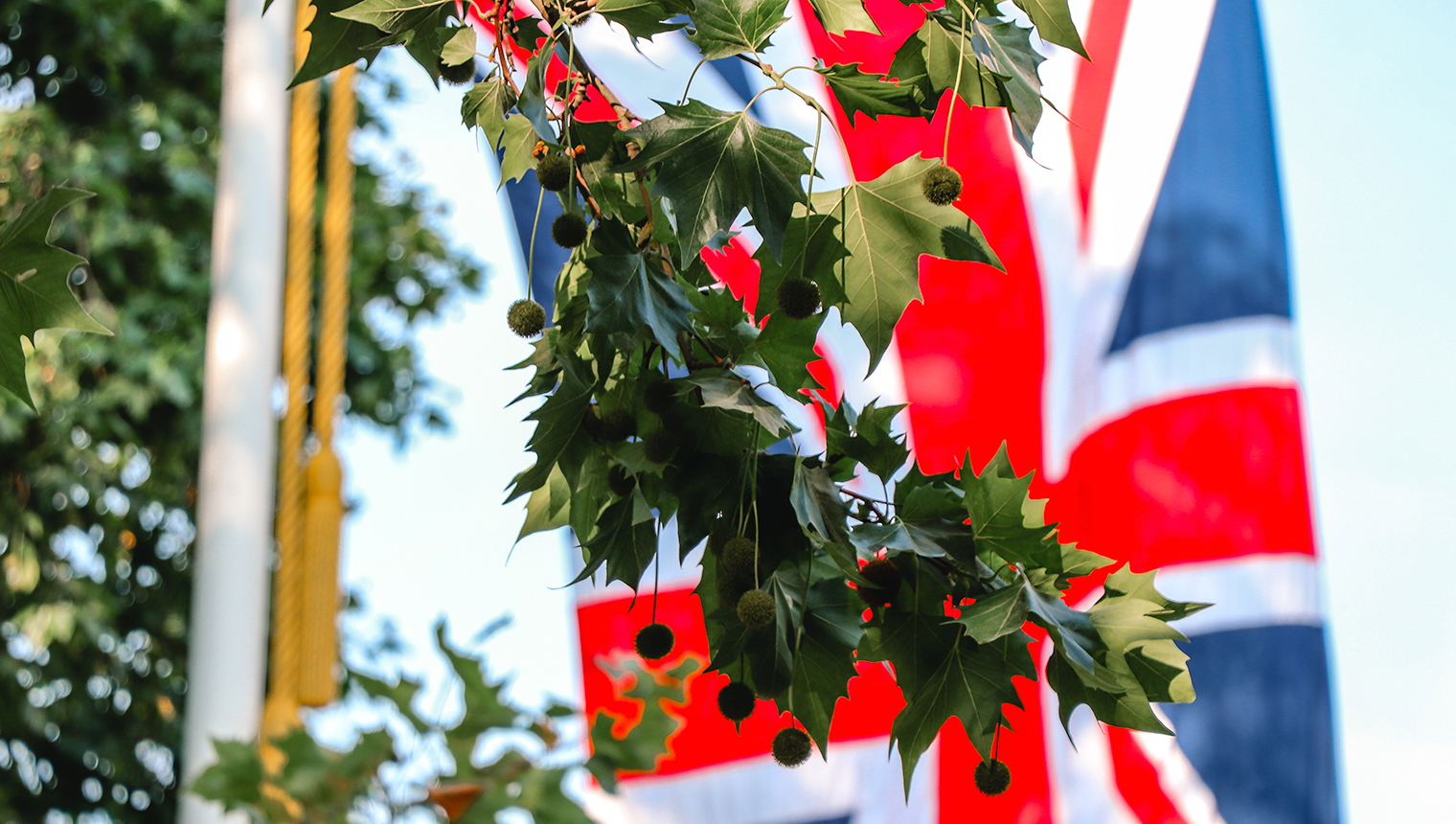
The United Kingdom of Great Britain and Northern Ireland, commonly known as the United Kingdom (UK or U.K.)[14] or Britain,[note 11] is a sovereign country located off the north­western coast of the European mainland. The United Kingdom includes the island of Great Britain, the north­eastern part of the island of Ireland, and many smaller islands.[15] Northern Ireland shares a land border with the Republic of Ireland. Otherwise, the United Kingdom is surrounded by the Atlantic Ocean, with the North Sea to the east, the English Channel to the south and the Celtic Sea to the southwest, giving it the 12th-longest coastline in the world. The Irish Sea separates Great Britain and Ireland. The total area of the United Kingdom is 94,000 square miles (240,000 km2).

The United Kingdom is a unitary parliamentary democracy and constitutional monarchy.[note 12][16][17] The current monarch is Queen Elizabeth II, who has reigned since 1952, making her the world’s longest-serving current head of state.[18] The United Kingdom’s capital is London, a global cityand financial centre with an urban area population of 10.3 million.[19] Other major cities include Birmingham, Glasgow, Leeds, Liverpool, and Manchester.

The United Kingdom consists of four constituent countries: England, Scotland, Wales and Northern Ireland.[20] Their capitals are London, Edinburgh, Cardiff and Belfast, respectively. Apart from England, the countries have their own devolved governments,[21] each with varying powers,[22][23] but such power is delegated by the Parliament of the United Kingdom, which may enact laws unilaterally altering or abolishing devolution. The nearby Isle of Man, Bailiwick of Guernsey and Bailiwick of Jersey are not part of the UK, being Crown dependencies with the British Government responsible for defence and international representation.[24] The medieval conquest and subsequent annexation of Wales by the Kingdom of England, followed by the union between England and Scotland in 1707 to form the Kingdom of Great Britain, and the union in 1801 of Great Britain with the Kingdom of Ireland created the United Kingdom of Great Britain and Ireland. Five-sixths of Ireland seceded from the UK in 1922, leaving the present formulation of the United Kingdom of Great Britain and Northern Ireland. The UK’s current name was adopted in 1927 to reflect the change.[note 13] There are fourteen British Overseas Territories,[25] the remnants of the British Empire which, at its height in the 1920s, encompassed almost a quarter of the world’s landmass and was the largest empire in history. British influence can be observed in the language, culture and political systems of many of its former colonies.[26][27][28][29][30]

The United Kingdom has the world’s sixth-largest economy by nominal gross domestic product (GDP), and the ninth-largest by purchasing power parity (PPP). It has a high-income economy and a very high human development index rating, ranking 14th in the world. It was the world’s first industrialised country and the world’s foremost power during the 19th and early 20th centuries.[31][32] The UK remains a great power, with considerable economic, cultural, military, scientific and political influence internationally.[33][34] It is a recognised nuclear weapons state and is sixth in military expenditure in the world.[35] It has been a permanent member of the United Nations Security Council since its first session in 1946.

The United Kingdom is a leading member of the Commonwealth of Nations, the Council of Europe, the G7, the G20, NATO, the Organisation for Economic Co-operation and Development (OECD), Interpol and the World Trade Organization (WTO). It was a member of the European Union (EU) and its predecessor, the European Economic Community (EEC) for 47 years, between 1 January 1973 and withdrawal on 31 January 2020.

Photo Credit
Photo by Emily Wang on Unsplash
Photo by Heidi Fin on Unsplash
Photo by Robert Tudor on Unsplash
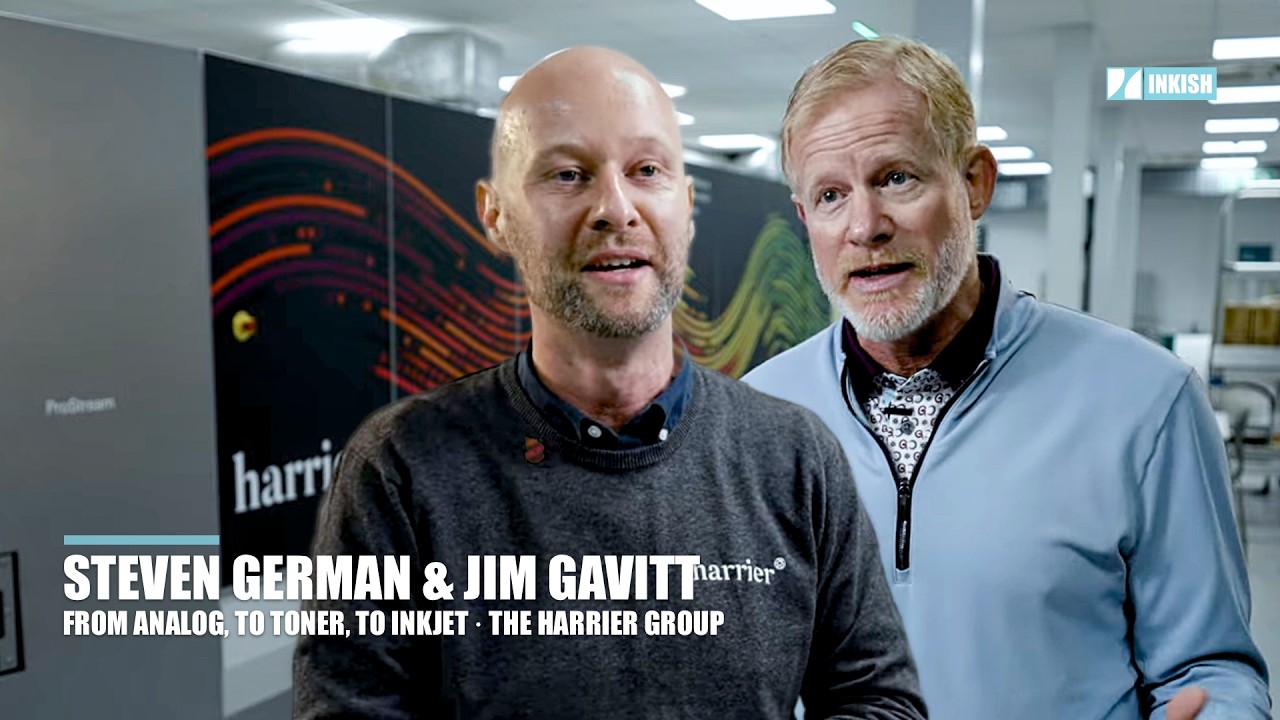
En thumbnials of the images

Steven German & Jim Gavitt from The Harrier Group share the journey from analog, to toner, to Inkjet

This film explores the transformation of the Harrier Group, a company that began as a single photo-printing operation in the United Kingdom and, over time, became part of a much larger global production network. Nearly two decades ago, the operation consisted of one building and one digital production area alongside traditional silver-halide photo processing. From those early days with a handful of digital presses producing cards, calendars, books, and posters, the business expanded significantly. As it grew, the company eventually became part of a wider international organization, connecting its production capabilities with other photo-printing specialists around the world. Today, Harrier operates as part of a global structure that includes District Photo in the United States and Prima Printing in Australia. Each company maintains its strong local brand and heritage, but together they form an interconnected production ecosystem that shares expertise, technology, and operational resources across continents. The film follows this journey through the voices of the people behind the company, revealing how the photo industry has evolved—from traditional chemistry-based production to digital printing and now to large-scale inkjet manufacturing. It also shows how collaboration between facilities, shared workflows, and internal software development enable the group to manage enormous seasonal demand while maintaining flexibility throughout the year. Ultimately, this is a story about transformation—not only of a company that grew and was integrated into a global production network, but also of an entire industry moving rapidly toward faster, more automated, and more scalable print technologies.

En thumbnials of the images

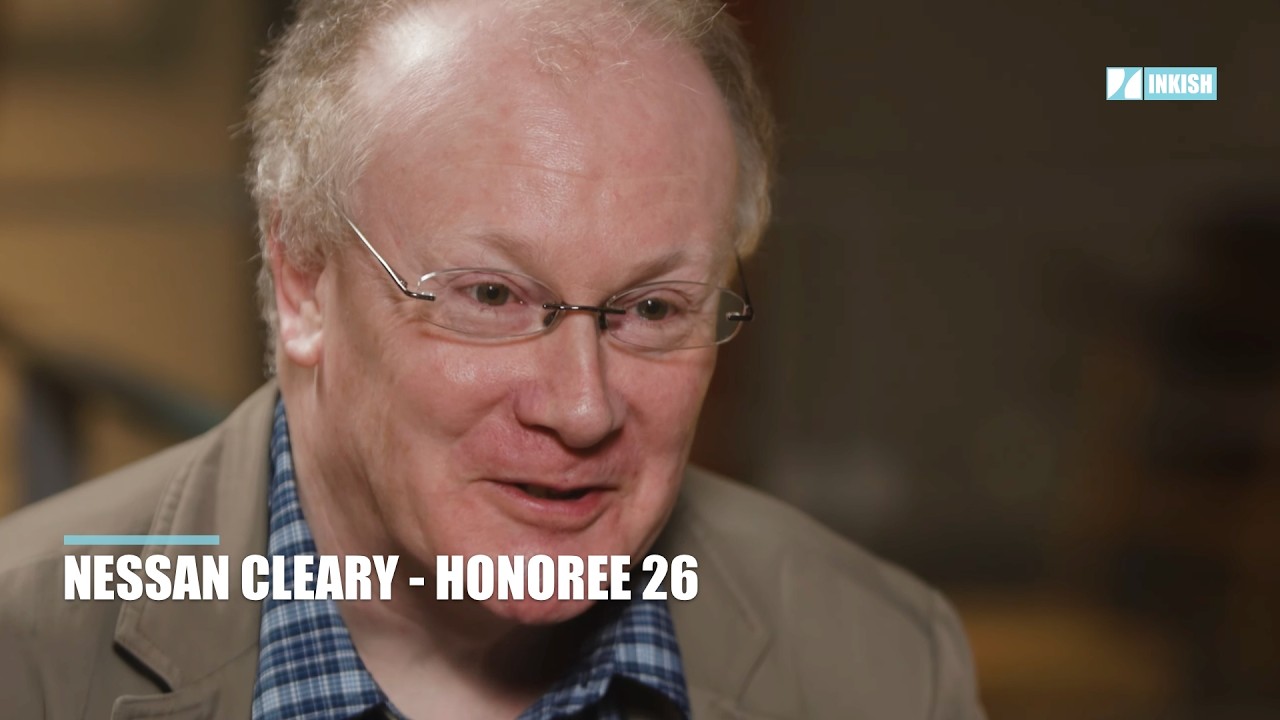
Nessan Cleary · Journalist · INKISH Honoree 26

In this thoughtful and candid conversation, Nessan Cleary reflects on recognition, journalistic integrity, independence, and the evolving media landscape in the printing industry. When asked about being selected as an honoree at the NON-EVENT, Cleary admits he was genuinely surprised. Known for his humility and relative privacy, he did not expect the recognition. While he appreciates being noticed, he remains pragmatic about awards, viewing them as a pleasant acknowledgment rather than a defining milestone. For him, professional validation has always been secondary to doing the work properly. Trained in newspaper journalism with a postgraduate qualification, Cleary explains that his unbiased, methodical approach is not something he developed over time but simply the craft he was taught. He draws a clear line between journalism and marketing, emphasizing that he deliberately chose to fund his work independently rather than accept sponsorship or funding from the companies he covers. That decision, while financially challenging, gives him complete editorial freedom — something he considers far more valuable than commercial security. The conversation explores how journalism has changed, particularly in terms of speed, global publishing cycles, and audience expectations. While publishing is faster today, Cleary believes depth still matters more than immediacy. He does not rely heavily on analytics; instead, he judges impact by direct reader feedback. Some stories that require significant effort generate little response, while others unexpectedly resonate widely — a reminder that audience engagement is often unpredictable. He also reflects on major investigative work, including coverage of controversial business dealings in the industry. Those stories highlighted both the limitations of working independently and the importance of due diligence, following the money, and maintaining journalistic standards even when navigating legally sensitive territory. Collaboration with other journalists during those investigations proved both unusual and valuable in an industry where competition is often the norm. Beyond journalism, Cleary shares insights into his personal life — his love of cooking, his diverse musical tastes ranging from classical and jazz to punk and rock, and how he uses rhythmic elements in music to shape his writing process. A former music journalist before moving into print technology, he approaches both fields with curiosity and technical interest. Printing, he notes, uniquely combines mechanical engineering with advanced digital systems — a blend that continues to fascinate him. Despite decades in the industry, he remains driven by the core principle that people need reliable, in-depth information. Technologies evolve, publishing platforms change, and reading habits shift from print to desktop to mobile, but the need for accurate, independent reporting remains. In his view, version “2.0” of journalism is not about reinvention — it is about maintaining integrity while adapting to new formats. The discussion concludes with reflections on industry events, collaboration, and the value of creating spaces where people can exchange ideas openly. For Cleary, the most important thing remains clear: follow the money, maintain independence, and provide readers with information they can trust.

En thumbnials of the images

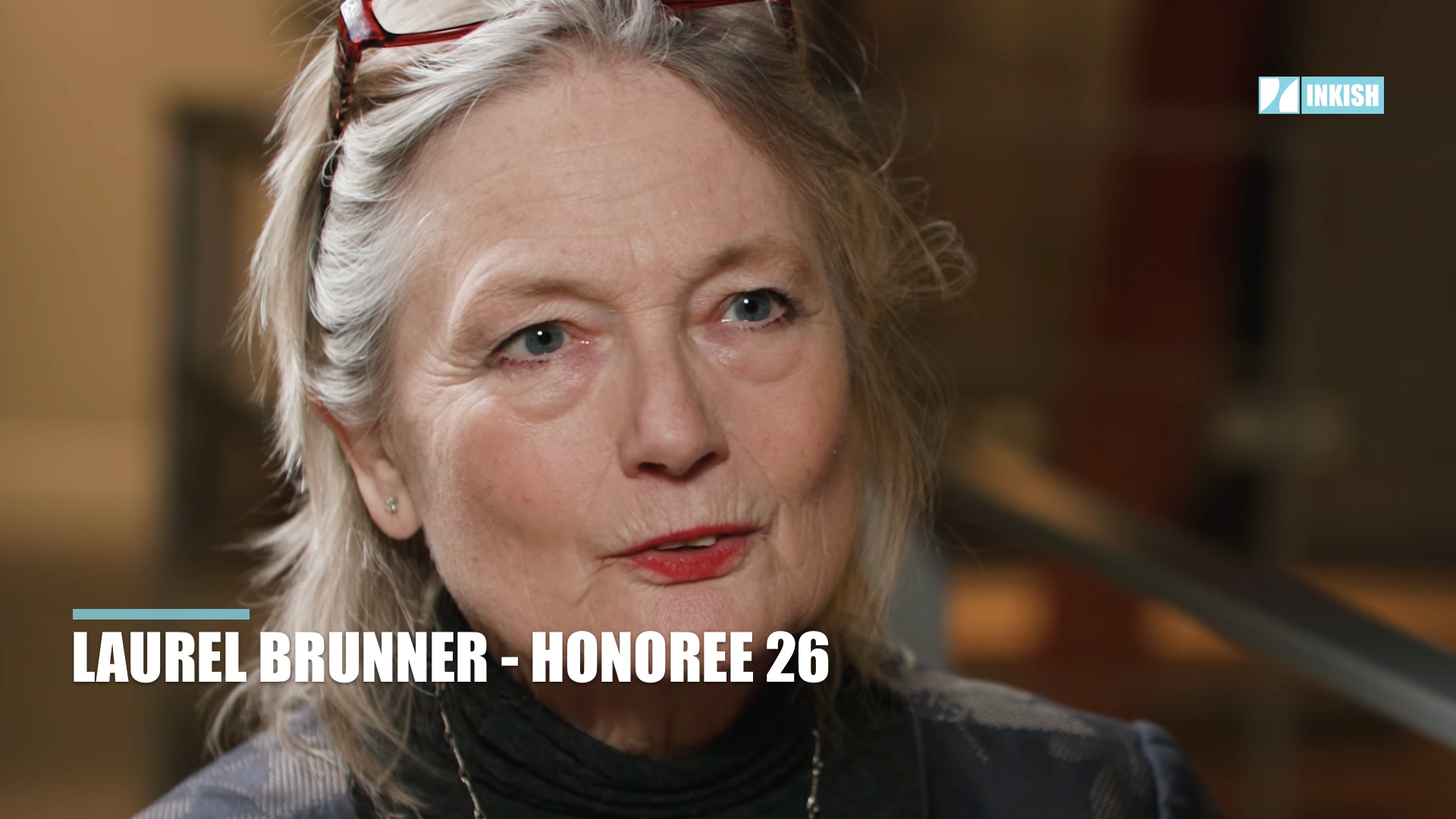
Laurel Brunner · Managing Director · Digital Dots · INKISH Honoree 2026

In this engaging and wide-ranging conversation, Laurel Brunner reflects on a life shaped by curiosity, movement, music, technology, and an enduring passion for the printing and publishing industry. From her love of dancing—fueled by a lifelong connection to music and an energetic personality—to her international upbringing between London, Germany, New York, and California, she shares how cultural mobility shaped her worldview. After leaving a conventional life in the UK at just 21, she moved back to the United States, studied linguistics and English literature at University of California, Los Angeles, and supported herself through college by working with Jonathan Seybold. What began as a temporary typing assignment evolved into a formative role within the Seybold organization, helping build what would become one of the most influential platforms in desktop publishing and digital prepress. She reflects on the early days of desktop publishing, the revolutionary shift from traditional prepress workflows, and how those foundational years directly connect to today’s digital data-driven publishing ecosystem. The work done then, she explains, laid the groundwork for a world where digital content creation and distribution are accessible to anyone—from novelists to global brands. Now at 69, Brunner remains deeply engaged in the industry, even as she balances technical writing with her desire to focus more on fiction. As a convenor within an international standards technical committee focused on graphics technology and sustainability, she leads a global working group developing standards for sustainable print. Sustainability, she explains, has always been personal—driven by an intolerance for waste and a belief that efficiency and environmental responsibility can coexist with commercial success. The conversation explores generational change, industry reinvention, and the tension between what leaders say and what they are willing to give up. She reflects on how innovation often comes from necessity, recalling how the prepress revolution forced companies to become more efficient to survive. The same logic, she argues, applies to sustainability today: real progress often follows commercial incentives. She also discusses the challenge of being heard in a fast-moving information landscape, the importance of writing in ways that resonate, and how global collaboration—sometimes from the most unexpected places—helps shape meaningful industry standards. Receiving recognition for her work came as a surprise, especially since she considers herself more of a behind-the-scenes contributor than a visible industry personality. Yet her influence spans decades of transformation in publishing, digital workflows, and sustainability advocacy. The conversation concludes with reflections on the power of publishing itself. Whether through newspapers, books, labels, or digital substrates, she describes printing as the vehicle through which society shapes and shares knowledge. Events that bring people together person-to-person—without corporate filters—remind her of the early Seybold seminars, where innovation was born in conversation as much as in conference sessions. A thoughtful and energetic dialogue about global perspective, sustainability, generational responsibility, and the enduring belief that publishing—at its core—shapes how we understand the world.

En thumbnials of the images

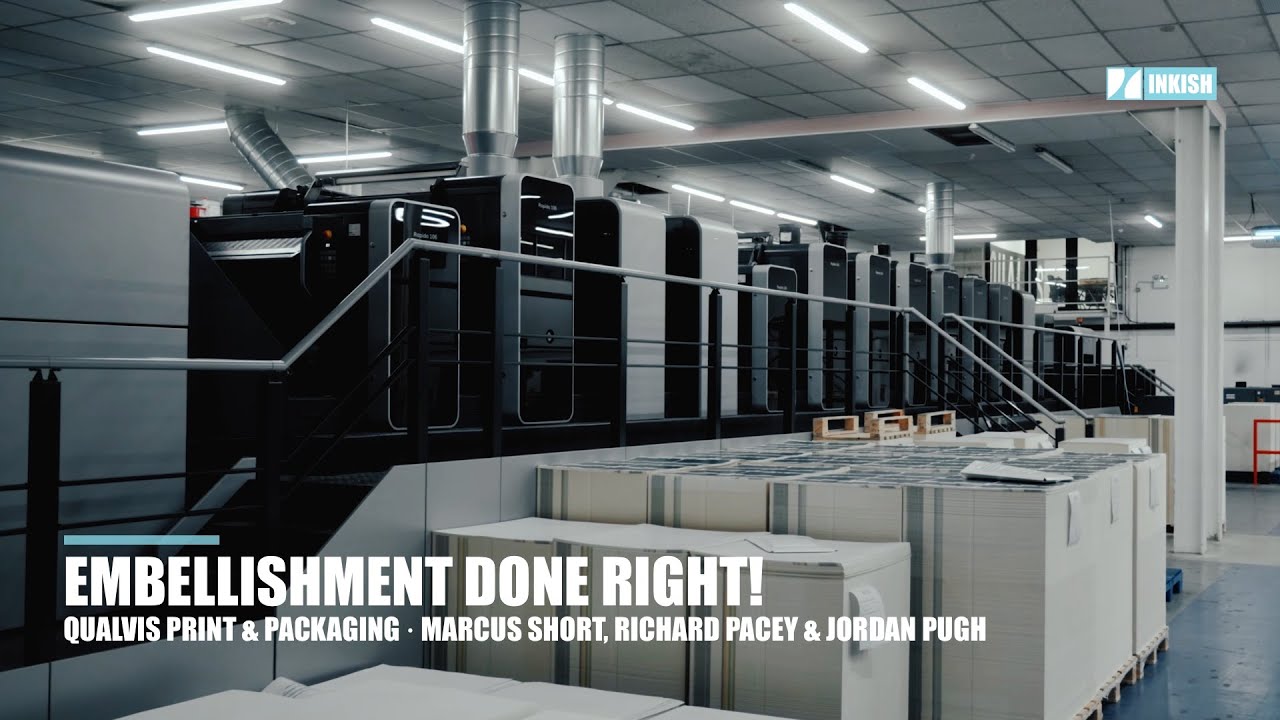
Embellishment done right! · Marcus Short, Richard Pacey & Jordan Pugh · Qualvis Print & Packaging

It's difficult to decide how to start this story. It's about a print and packaging company in Leicester investing in new technology. A new Koenig & Bauer press and a new folding/gluer, also from Koenig & Press. In a way, enough, but there is more to it, because the configuration of the printing press is as such unique, and as Richard Pacey explains, maybe the only one in the world. A seven-color with three coaters. But doesn't that lead to the more obvious question, why? And that's really the story. Qualvis is a print and packaging company that has specialized in high-end packaging. As we sit in the meeting room before the filming, tons of samples are placed on the table, and, of course, we look at them. Marcus Short asks us - so how do you think it's made? It looks like overprinted coldset, yet it has a different shine, and it's still the best option. And here is what Qualvis has developed over the years. Instead of using cold foil, Qualvis has developed Q-lustre. It's a flexo-printed, reflective silver color, UV-dried, and ready to be overprinted, just like a cold foil. The result is a stunning print with a metalization that actually doesn't have any metalization, as we know. It's more sustainable because it doesn't use a foil carrier, the company claims, and customers like what they see. Combined with a fast folding/gluer, the company's existing blue Koenig & Bauer Rapida press, and a few BOBST die-cutters, the company is well set for the future, and the three gentlemen we speak with are all game and ready. This was a fun job!

En thumbnials of the images

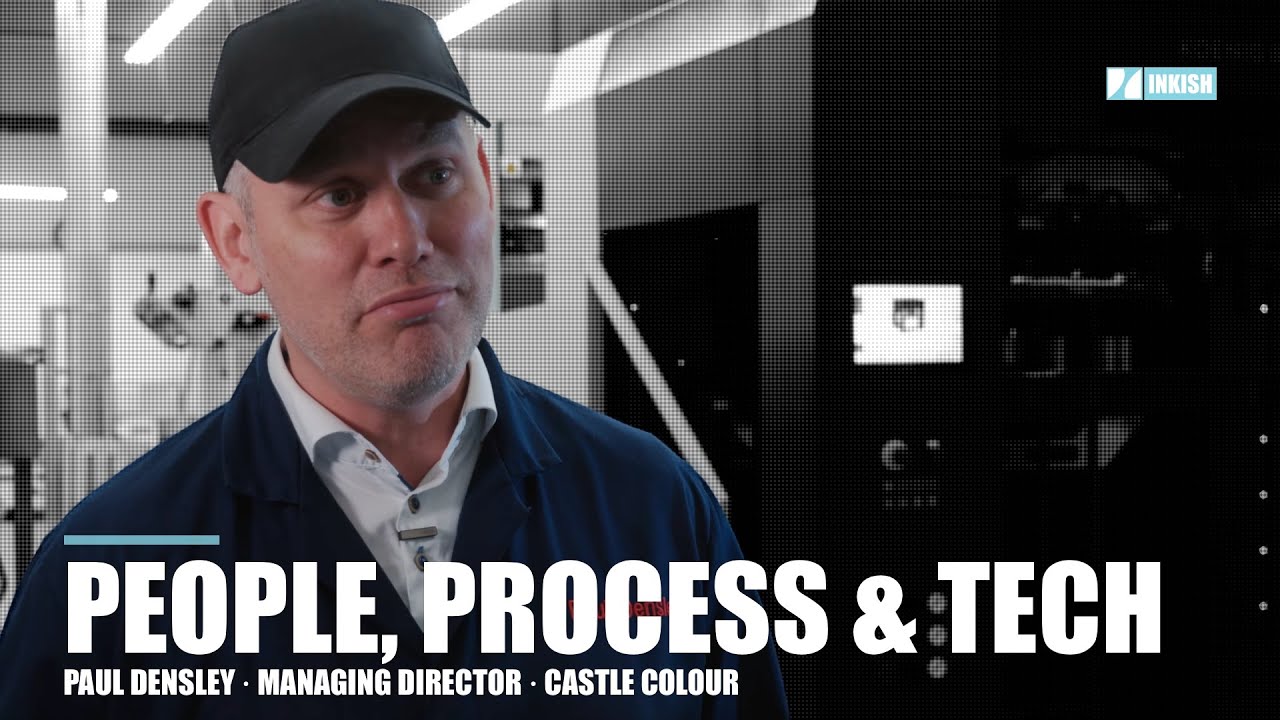
Building a Packaging Powerhouse Through People, Process, and Technology with Koenig & Bauer

Paul Densley, Managing Director of Castle Color, shares his journey from the newspaper print industry to leading one of the UK’s most respected and technically advanced packaging companies. In this film, Paul talks openly about Castle Color’s philosophy of people, process, and technology, and how that mindset has shaped everything from investment decisions to customer relationships. He explains why Castle Color focuses on being an embedded supply partner, how continuous training and process understanding sit at the core of the business, and how technology is used to enhance people rather than replace them. The conversation goes deep into Castle Color’s expertise in fiber-based packaging, including cartons, advanced barrier coatings, and highly specialized blister card technologies that are guaranteed to seal. Paul outlines the company’s diverse customer base across food, healthcare, hygiene, personal care, and sporting goods, and explains why the type of packaging matters more than the size of the customer. Paul also reflects on Castle Color’s disciplined approach to machinery investment, including rigorous testing, supplier comparisons, and the long-term impact of choosing the right technology partner. He shares real-world experience of consolidating production onto fewer presses while increasing productivity, retaining and retraining staff, and building strong, long-term relationships with suppliers. Looking ahead, Paul discusses the future of fiber-based packaging, sustainability, and how Castle Color plans to continue pushing the boundaries of packaging technology and design over the next decade.

En thumbnials of the images

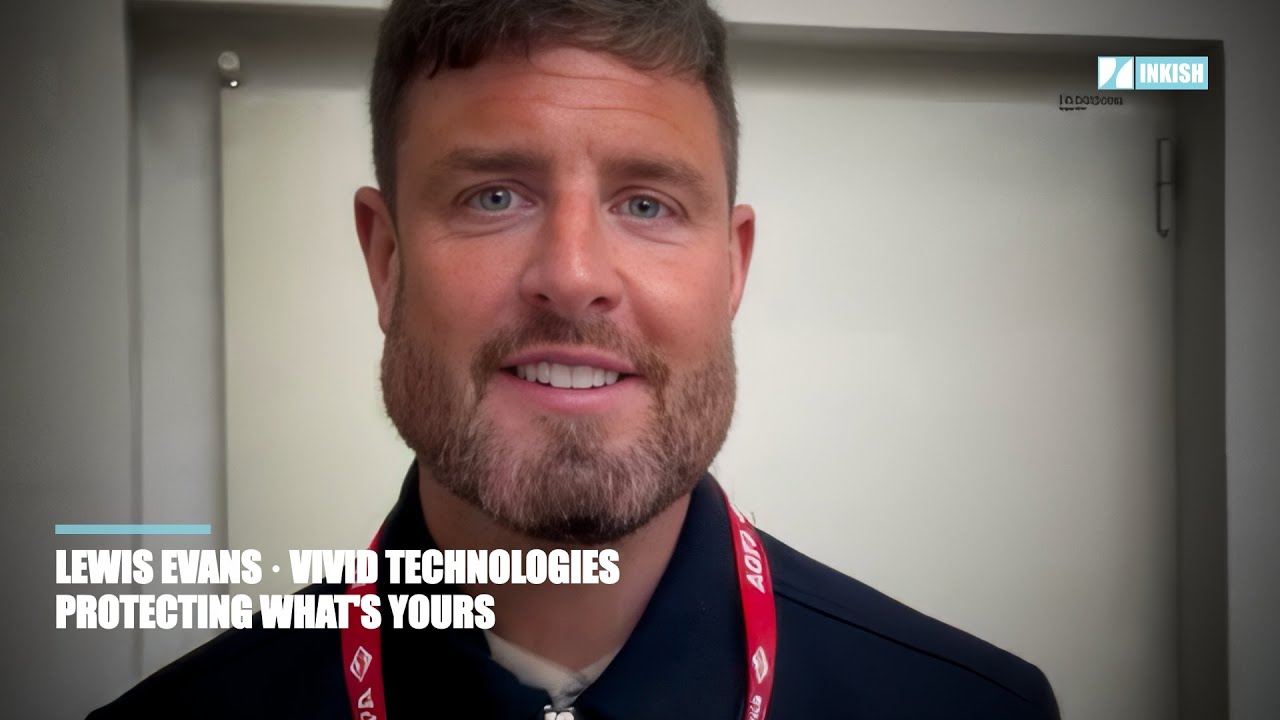
Protecting What’s Your’s · Patent Infrigement · Lewis Evans · Vivid Technologies

In the past few days, Lewis Evans has received many views and likes as he documented how a Chinese supplier at FESPA was subpoenaed. Already at drupa, the Chinese supplier recognized the illegal use of the patent from Vivid Technologies, and though Vivid and the supplier agreed to stop abusing the technology, they continued, and something had to be done. Watch the interview between Lewis Evans and Editor Morten B. Reitoft - important information for PSPs.
En thumbnials of the images

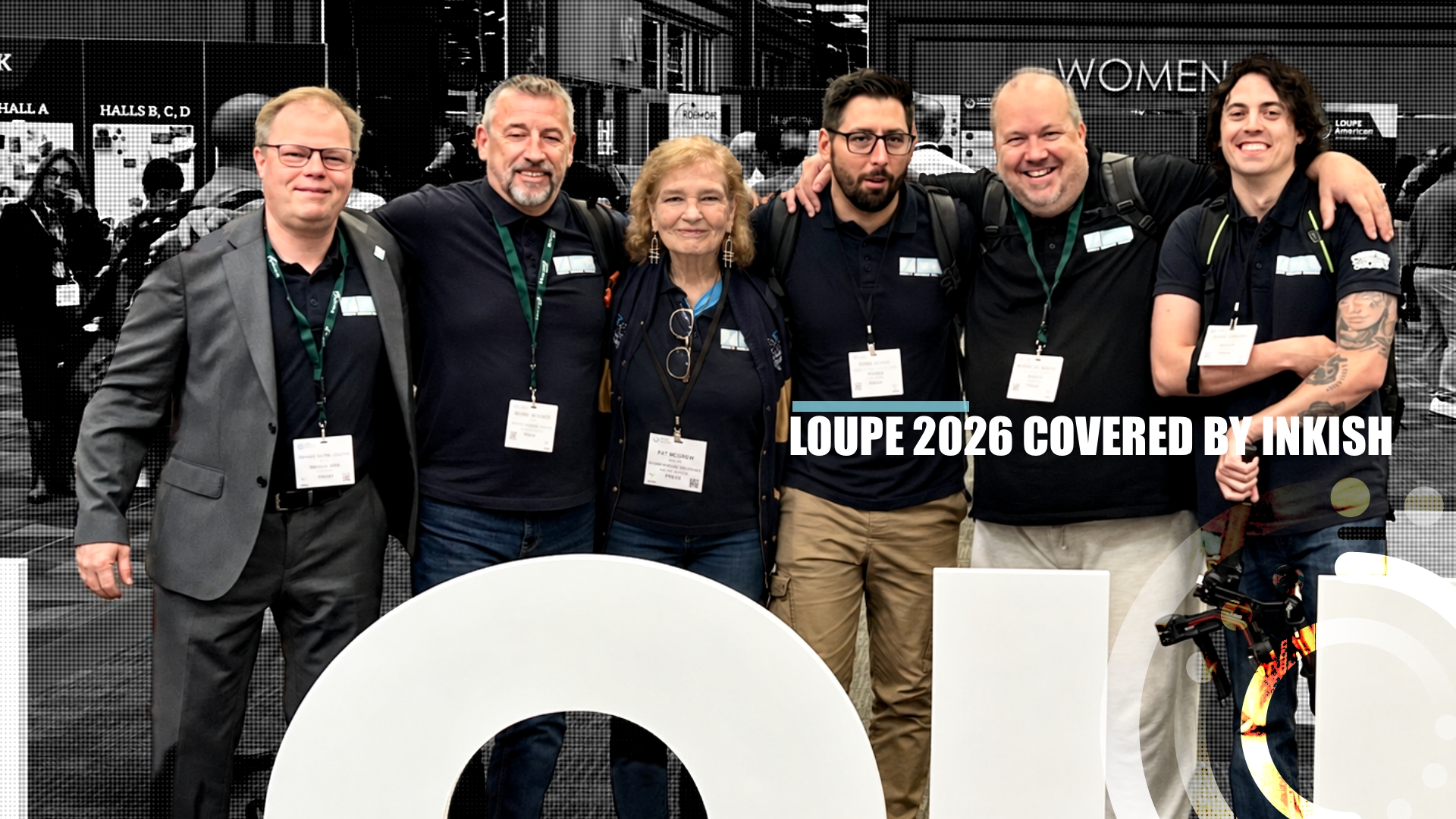
Wayne Beckett & Morten B. Reitoft · INKISH acquire 50% of Printing-Connect and Printing Expo

This edit will teach you more about the acquisition and what it will lead to. Wayne Beckett and Morten B. Reitoft are now colleagues, and both are excited about the new opportunities this collaboration will bring. Listen, engage, react! AI curated Transcript: Morten B. Reitoft and Wayne Beckett have announced a groundbreaking merger between INKISH and Print Connect. This partnership brings together two industry pioneers who share a vision of creating a global presence and a unified platform for the print industry. Print Connect, launched over a year ago, has made significant strides, with 420,000 unique website visits and over 2 million page views in the past year. Its database boasts nearly 40,000 businesses, but as Wayne Beckett acknowledges, it lacked a crucial editorial component. “Having Morten as Editor-in-Chief of Print Connect Online is a game changer,” Wayne stated, highlighting the collaboration’s potential to enrich their offerings. Morten expressed equal enthusiasm, noting his admiration for Print Connect Online’s innovative approach, including virtual expos that have reshaped industry engagement. “We’ve always seen INKISH as a content creation company rather than just a media platform,” Morten explained. The merger combines INKISH’s expertise in content with Print Connect’s robust platform, creating new opportunities for both companies and their audiences. The partnership plans to expand Print Connect into a four-tier platform better serve print service providers (PSPs) and converters. The first level includes an affordable membership, costing less than €50 annually, which grants access to an extensive library of educational resources, files, and films tailored for printing companies. This initiative establishes an online repository to facilitate knowledge sharing and community building. Additionally, the merger introduces the concept of Joint Membership Programs (JMP), which will encourage physical user groups. These events will unite multiple companies to foster collaboration and mutual growth. Higher platform levels will cater to OEMs, suppliers, and software companies, offering sponsorship opportunities and online webinars. Wayne and Morten also outlined the redefined roles within this new structure. Wayne will focus on sales and international trade shows, while Chris Beckett will handle backend operations, including content management and posting. Morten emphasized the importance of maintaining the original vision and ensuring continuous shareholder incentives, with Wayne and Chris retaining stakes in the business. Financially, the merger includes INKISH’s acquisition of a 50% stake in Print Connect, intending to increase ownership to 80%. This partnership ensures Print Connect’s growth, backed by INKISH’s resources and expertise. “When we sat down at the non-event in Denmark and discussed this opportunity, it was a no-brainer,” Wayne remarked, expressing confidence in the collaboration’s potential. The merger promises enhancements without disruptions for customers and industry participants. Both companies are committed to delivering improved services and new engagement opportunities. “If you are a PSP or converter, sign up for Print Connect Online,” Morten urged, hinting at exciting developments. This partnership marks a significant step forward, combining the strengths of INKISH and Print Connect to drive innovation and growth in the print industry. Wayne aptly concluded, “We’re looking forward to the future for INKISH, Resolve, and the products we produce.”

En thumbnials of the images

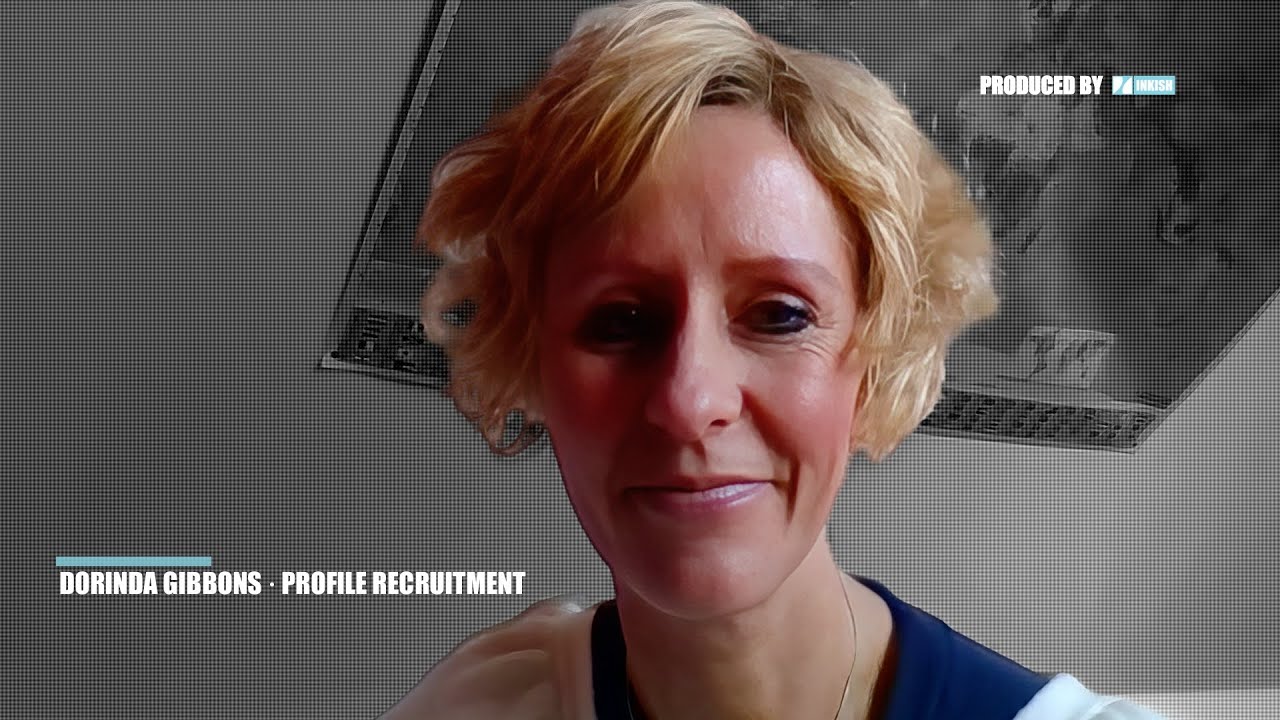
Dorinda Gibbons · Director · Profile Recruitment

Dorinda Gibbons has worked as a recruiter focusing on the Graphic Arts Industry for the past twenty years with great success. It's about matching talents, and in this chat, we get a chance to understand how she works and the value she brings to the table. It's great to hear the HR perspective, which rarely happens!  

En thumbnials of the images

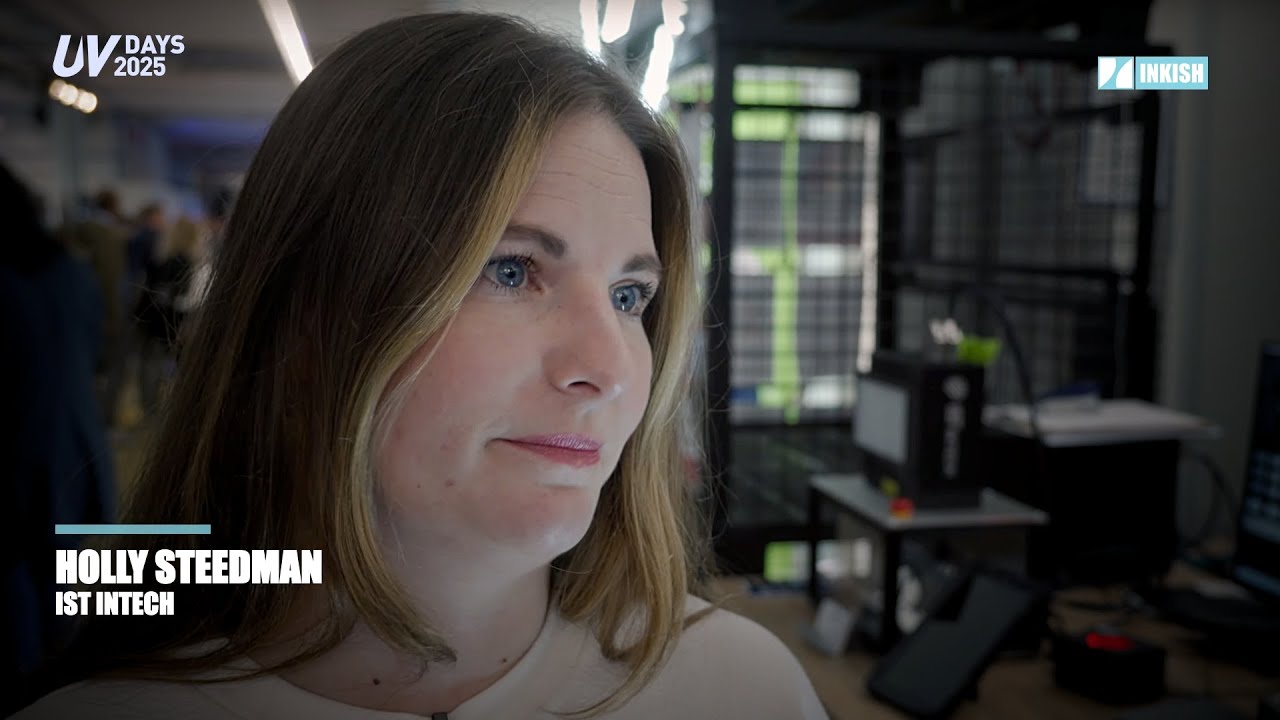
Holly Steedman · Business & Technology Dev. Director · IST Intech · PRINTING United Expo 2024

At PRINTING United, we got to catch up with Holly Steedman from IST Intech. IST Intech is owned by IST Metz, known for its UV solutions for many different types of printing presses, and IST Intech is a UK-based company that focuses on integration partners. So IST Intech is more about a special solution that can be used, not only in the printing industry but in any industry, utilizing LED-UV. IST Intech also entirely focuses on digital print solutions. In this interview, we learn how IST Intech and the Business & Technology Development Director get more and more customers in the American market. Holly Steedman is always interesting to listen to, and you will also often see her speaking at various conferences - so stay tuned!