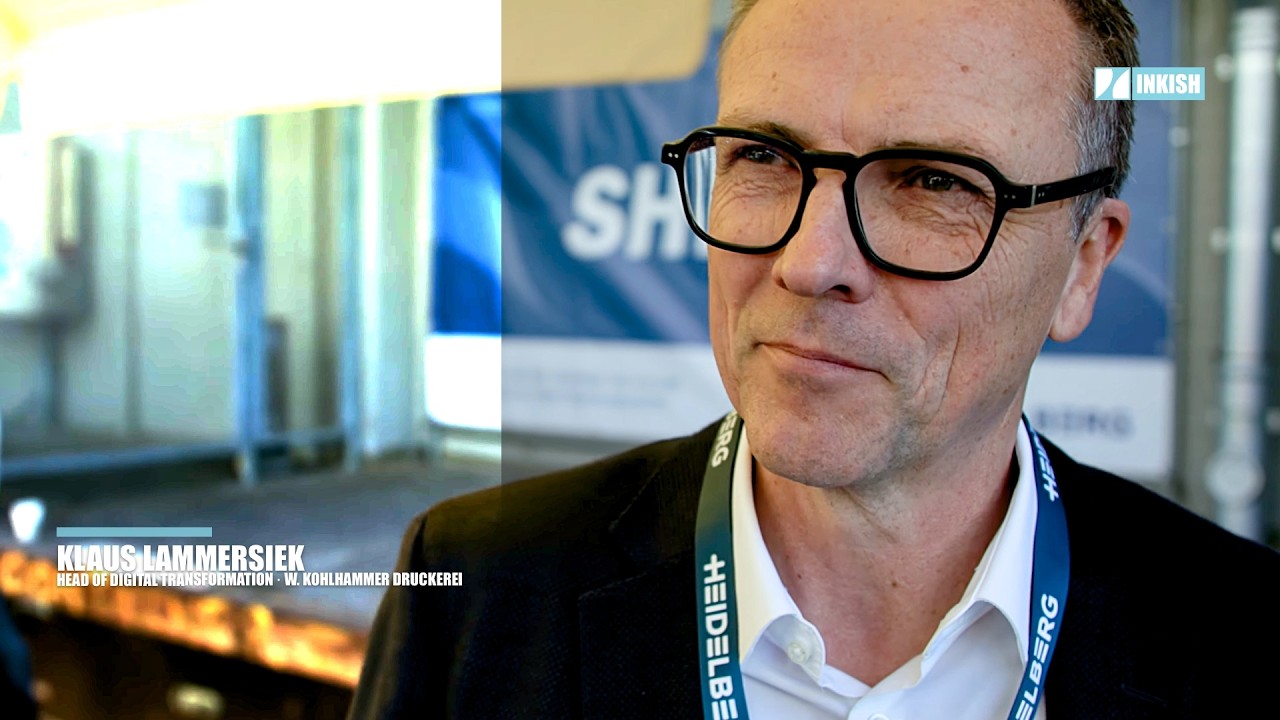
Klaus Lammersiek · Head of Digital Transformation · W. Kohlhammer Druckerei · Shift
English description below:
Bei Kohlhammerdruck in Stuttgart beschäftigt sich Klaus intensiv mit der digitalen Transformation – zunächst in kaufmännischen Prozessen, zunehmend aber auch direkt in der Produktion. Beim HEIDELBERG SHIFT Event sprechen wir darüber, welche Rolle KI dabei tatsächlich spielen kann und warum es längst nicht nur darum geht, ein weiteres neues Tool einzuführen.
Für Klaus liegt ein großer Nutzen von KI heute vor allem in der Analyse bestehender Prozesse. Aufgaben, für die früher Tage oder sogar Wochen notwendig waren, können heute teilweise innerhalb weniger Stunden vorbereitet, ausgewertet und in eine verständliche Form gebracht werden. Entscheidend ist für ihn jedoch, dass daraus stabile und nachvollziehbare Workflows entstehen. KI muss nicht jeden Prozess permanent steuern, sondern kann genau dort eingesetzt werden, wo Analyse, Interpretation oder Eskalation notwendig werden.
Damit verändert Digitalisierung auch die Arbeit der Mitarbeiter. Das Ziel ist nicht einfach, Menschen durch Technologie zu ersetzen, sondern ihnen Werkzeuge zur Verfügung zu stellen, mit denen Entscheidungen besser vorbereitet werden können. Statt Zeit mit wiederkehrenden und administrativen Aufgaben zu verbringen, sollen sich die Kollegen stärker auf das konzentrieren können, was sie tatsächlich können und wo ihre Erfahrung einen Unterschied macht.
Klaus begrüßt deshalb auch, dass HEIDELBERG mit SHIFT Verantwortung übernimmt und Themen wie Digitalisierung und künstliche Intelligenz gemeinsam mit der Druckindustrie diskutiert. Für einen der größten Technologieanbieter unserer Branche bedeutet Transformation eben nicht nur neue Maschinen zu entwickeln, sondern auch dabei zu helfen, neue Arbeitsweisen zu verstehen und in die Praxis zu überführen.
---
At Kohlhammerdruck in Stuttgart, Klaus is deeply involved in the company’s digital transformation — initially focusing on commercial and administrative processes, but increasingly moving closer to production as well. At the HEIDELBERG SHIFT event, we talk about the role AI can realistically play in this transformation and why it is about much more than simply introducing another new tool.
For Klaus, one of the most valuable applications of AI today is the ability to analyze existing processes. Tasks that previously required days or even weeks can now, in some cases, be prepared, analyzed, and translated into an understandable form within hours. The important part, however, is to turn these insights into stable and transparent workflows. AI does not necessarily have to control every process continuously; instead, it can be used where analysis, interpretation, or escalation is needed.
Digital transformation also changes the way employees work. The objective is not simply to replace people with technology, but to provide colleagues with tools that allow them to make better-prepared decisions. Instead of spending valuable time on repetitive administrative tasks, employees can increasingly focus on what they are actually good at and where their experience and knowledge create real value.
Klaus also welcomes HEIDELBERG taking responsibility by bringing topics such as digitalization and artificial intelligence into an industry-wide discussion through SHIFT. For one of the largest technology suppliers in the printing industry, transformation is not only about developing new machines. It is also about helping the industry understand new ways of working and turning new technology into practical applications.