























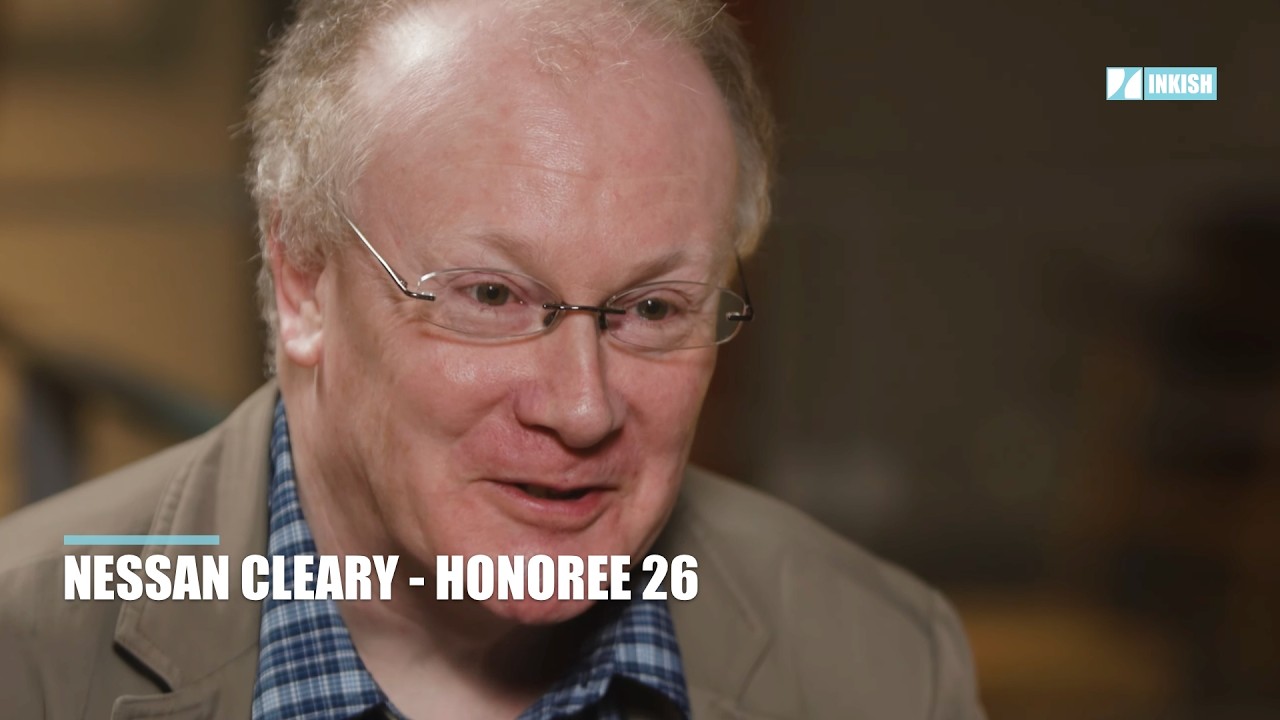
Nessan Cleary · Journalist · INKISH Honoree 26
In this thoughtful and candid conversation, Nessan Cleary reflects on recognition, journalistic integrity, independence, and the evolving media landscape in the printing industry.
When asked about being selected as an honoree at the NON-EVENT, Cleary admits he was genuinely surprised. Known for his humility and relative privacy, he did not expect the recognition. While he appreciates being noticed, he remains pragmatic about awards, viewing them as a pleasant acknowledgment rather than a defining milestone. For him, professional validation has always been secondary to doing the work properly.
Trained in newspaper journalism with a postgraduate qualification, Cleary explains that his unbiased, methodical approach is not something he developed over time but simply the craft he was taught. He draws a clear line between journalism and marketing, emphasizing that he deliberately chose to fund his work independently rather than accept sponsorship or funding from the companies he covers. That decision, while financially challenging, gives him complete editorial freedom — something he considers far more valuable than commercial security.
The conversation explores how journalism has changed, particularly in terms of speed, global publishing cycles, and audience expectations. While publishing is faster today, Cleary believes depth still matters more than immediacy. He does not rely heavily on analytics; instead, he judges impact by direct reader feedback. Some stories that require significant effort generate little response, while others unexpectedly resonate widely — a reminder that audience engagement is often unpredictable.
He also reflects on major investigative work, including coverage of controversial business dealings in the industry. Those stories highlighted both the limitations of working independently and the importance of due diligence, following the money, and maintaining journalistic standards even when navigating legally sensitive territory. Collaboration with other journalists during those investigations proved both unusual and valuable in an industry where competition is often the norm.
Beyond journalism, Cleary shares insights into his personal life — his love of cooking, his diverse musical tastes ranging from classical and jazz to punk and rock, and how he uses rhythmic elements in music to shape his writing process. A former music journalist before moving into print technology, he approaches both fields with curiosity and technical interest. Printing, he notes, uniquely combines mechanical engineering with advanced digital systems — a blend that continues to fascinate him.
Despite decades in the industry, he remains driven by the core principle that people need reliable, in-depth information. Technologies evolve, publishing platforms change, and reading habits shift from print to desktop to mobile, but the need for accurate, independent reporting remains. In his view, version “2.0” of journalism is not about reinvention — it is about maintaining integrity while adapting to new formats.
The discussion concludes with reflections on industry events, collaboration, and the value of creating spaces where people can exchange ideas openly. For Cleary, the most important thing remains clear: follow the money, maintain independence, and provide readers with information they can trust.



Contact
Printing and Manufacturing Journal
00000
United Kingdom
Email : info@nessancleary.co.uk

Fri February 27th
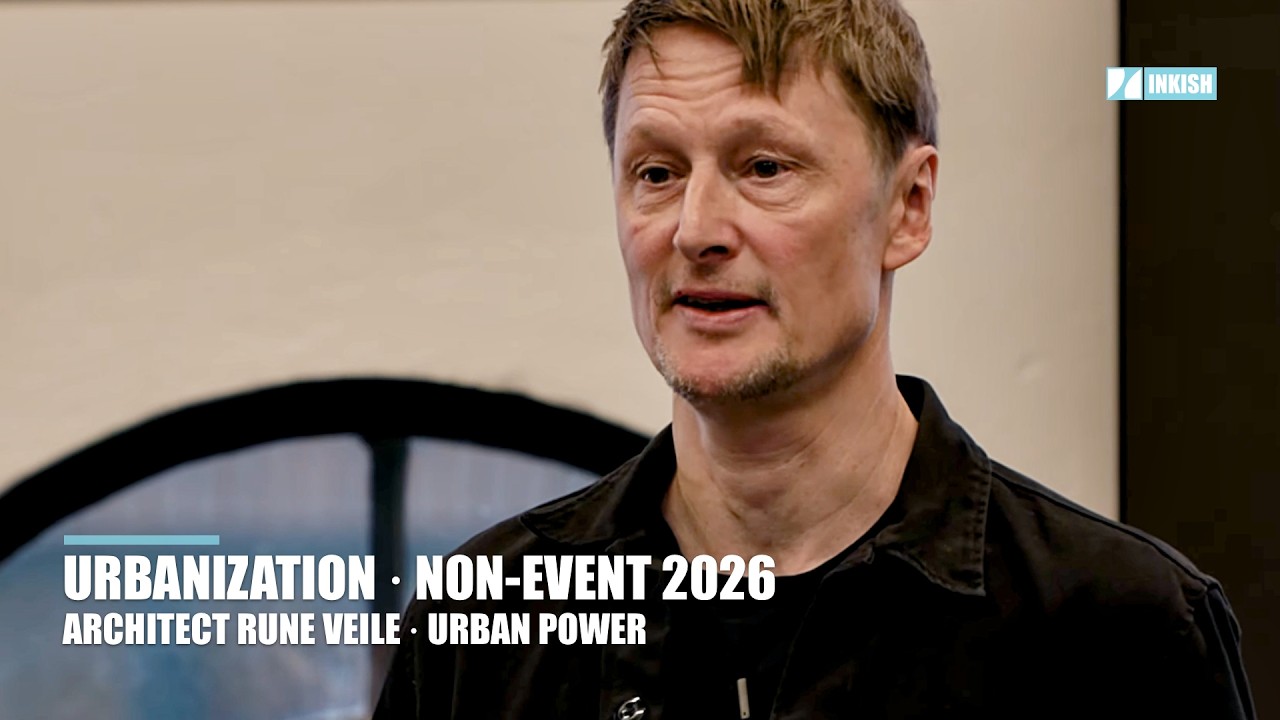
Architect Rune Veile · URBAN POWER · at t...
In this inspiring and visually rich presentation, Rune Veile, co-founder of Urban Power, takes the audience on a journey through contemporary Danish urbanism and the challenges shaping our cities. Founded around 12 years ago with two partners, Urban Power works at the intersection of buildings, landscape, and urban planning, guiding clients through complex processes that often span 5, 10, or even 15 years. Many of the projects shown are still evolving—reflecting the long-term nature of meaningful urban transformation. Rune Veile outlines the urgent issues facing Denmark: rising CO₂ emissions from inefficient housing and demolition, biodiversity loss, increasing car dependency, flooding from cloudbursts and sea level rise, and the fundamental challenge of limited land in a small country. Drawing on national statistics, he highlights how each person in Denmark effectively accounts for more than 1,000 square meters of urbanized space when infrastructure, parking, and leftover areas are included. The conclusion is clear: we must use space far more intelligently. Through conceptual proposals and built projects, he demonstrates how Urban Power addresses these challenges by combining functions, reusing existing structures rather than demolishing them, thoughtfully densifying cities, integrating biodiversity into public spaces, and strengthening pedestrian and cyclist connections. Ideas such as a continuous green spine connecting fragmented natural areas across Denmark and a high-speed rail ring transforming the country into a “one-hour city” illustrate how infrastructure and ecology can be reimagined at a national scale. The presentation then moves into concrete examples around Copenhagen and Scandinavia: transforming former shipyard halls into student housing and event spaces; converting outdated office parks into mixed-use residential communities; creating “symbiosis housing” that combines offices, urban farming, kindergartens, and homes within one building; and designing community-oriented housing in wood and low-CO₂ materials. Rune Veile emphasizes identity, social interaction, and shared facilities as essential components of sustainable living—not only reducing emissions but improving quality of life. He also discusses the realities of development, including municipal regulations, affordable housing requirements, and the financial pressures shaping modern cities. Projects range from dense harbor developments to nature-integrated housing in Norway and large-scale visions for entirely new urban districts. The talk concludes on a personal note with the home Rune Veile designed and built for his own family—an experiment in climate adaptation prepared for future flooding. Constructed over three years, the house reflects both technical precision and lived experience, reinforcing his belief that architects must understand every scale of building, from national planning to the smallest construction detail. Throughout the presentation, Rune Veile makes a compelling case that cities are not just part of the climate problem—they are central to the solution. With creativity, long-term thinking, and intelligent use of space, urban environments can become more sustainable, more resilient, and far more livable.