











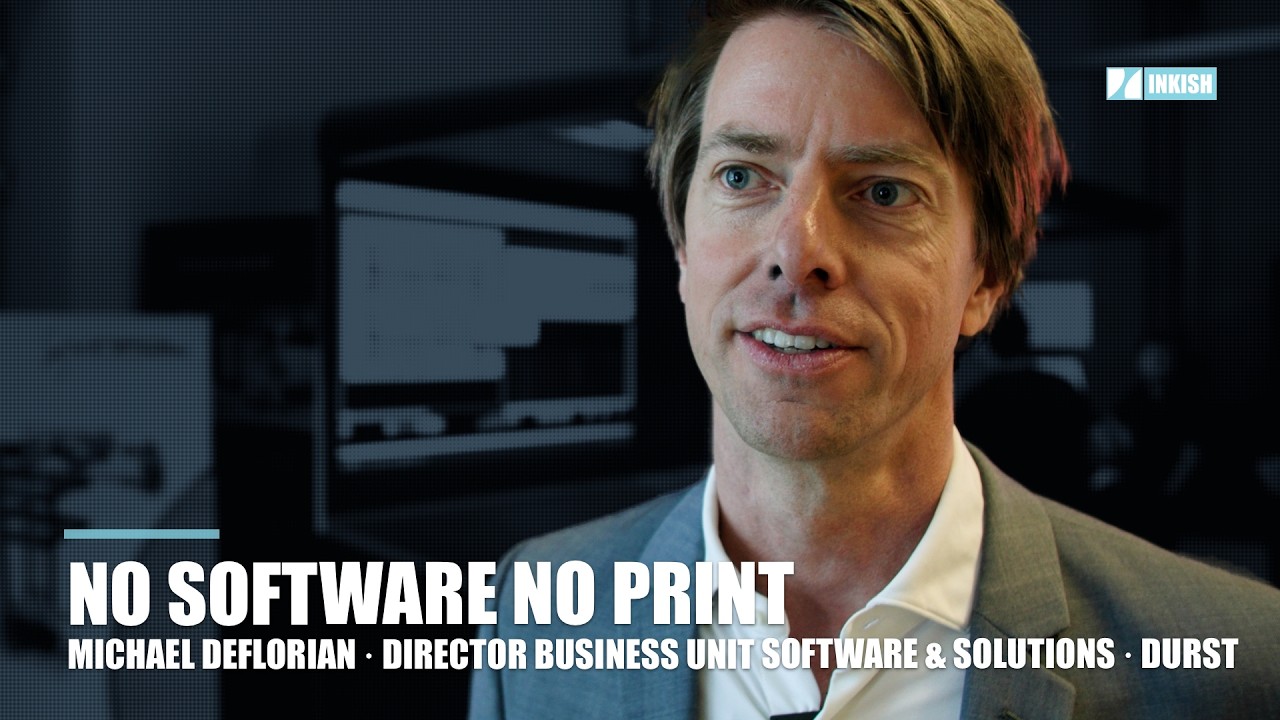
No Software No Print · Michael Deflorian · Director Business Unit Software & Solutions · DURST
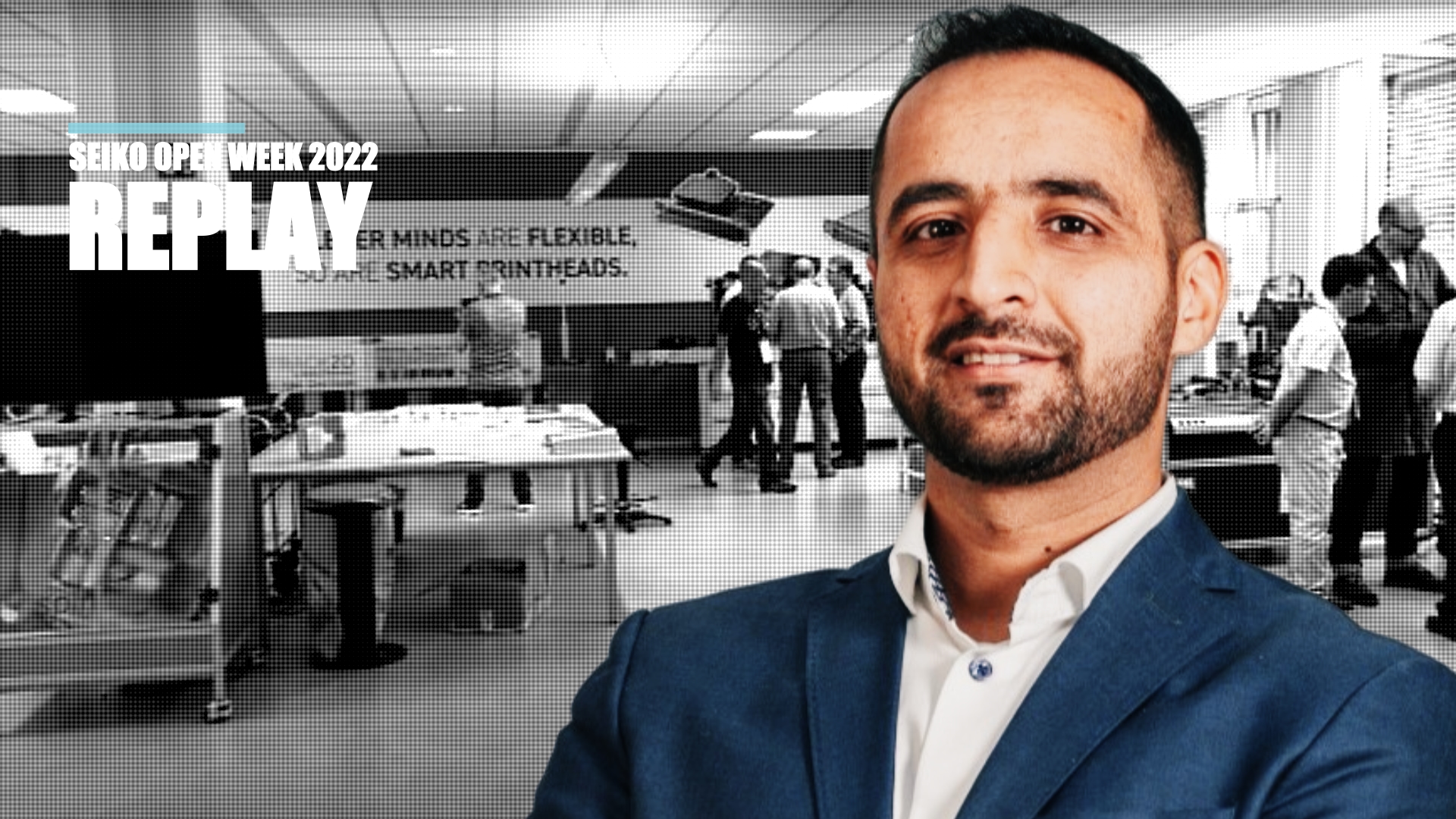
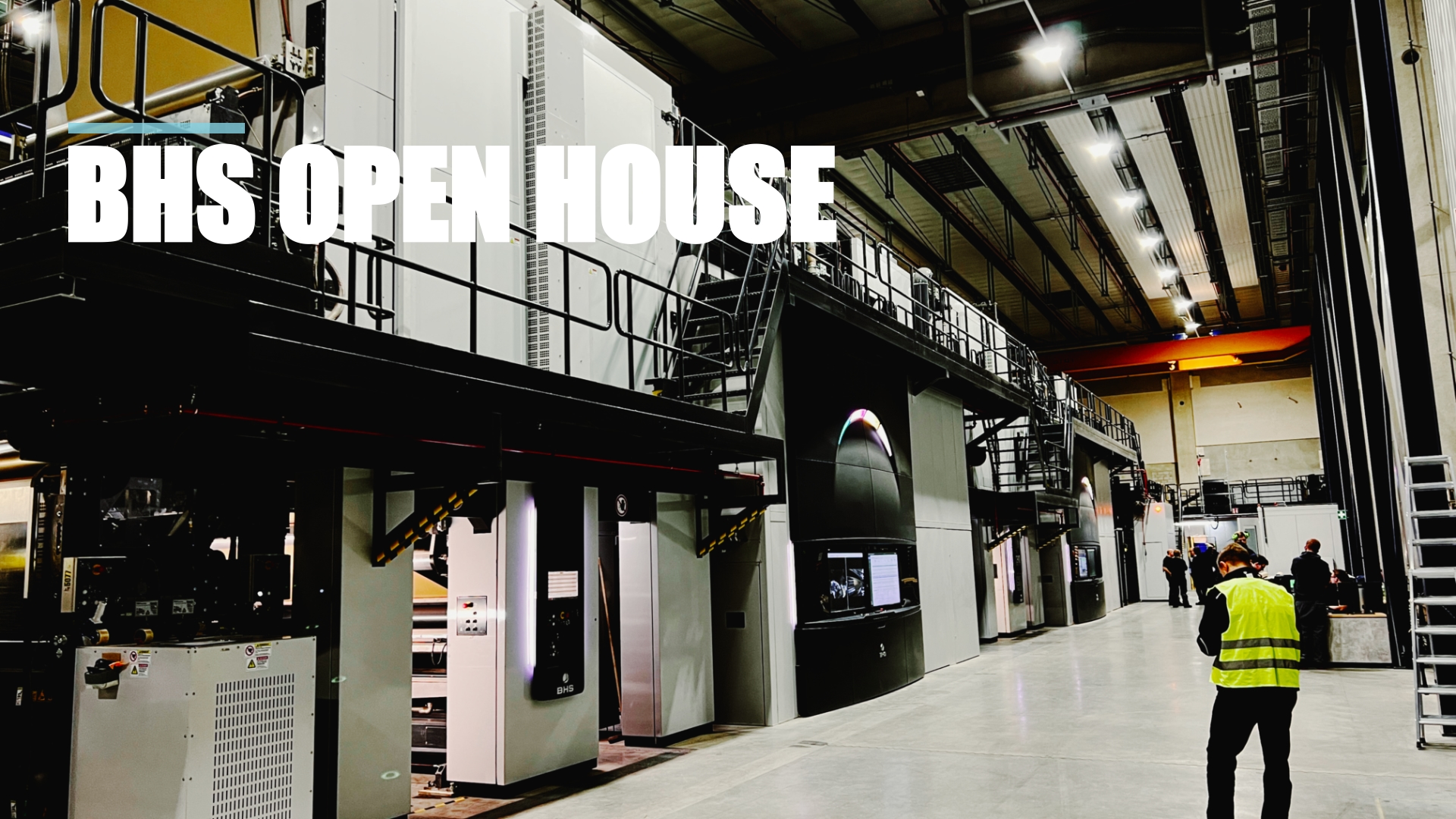
At Durst Group’s joint Open House with Koenig & Bauer in Radebeul, I speak with Michael Deflorian, and it’s a reminder that no matter how impressive a press looks, it doesn’t run without software.
And in many cases, that’s exactly where the real value is created.
Michael explains how Durst has built its software business from the ground up since 2018, scaling to thousands of installations and a dedicated team of around 100 people. That’s not a side project anymore, it’s a core part of the business. And when you look at it, it makes perfect sense. The bottlenecks in production are rarely the presses themselves. They sit before or after, in data preparation, workflow, integration, and how jobs move through the system.
That’s what the “pixel to output” strategy is about.
Not just delivering machines, but connecting everything around them, automating processes, integrating workflows, and ultimately removing friction. Because if you don’t, even the most advanced press won’t perform as it should.
What’s interesting is how this ties into the broader Durst story. A company that has reinvented itself multiple times, from photography to digital printing, now also moving into areas like additive manufacturing. There’s a mindset here of constantly challenging what you do and where you go next.
And that mindset shows in software.
We also talk about something very practical, the growing complexity in production. More jobs, more variation, more data. Especially with digital, where variable data becomes part of the value proposition. Without the right software, handling that complexity becomes almost impossible. With the right software, it becomes manageable, even efficient.
That’s a big shift.
Another point Michael raises is people. Skilled operators are harder to find, and the next generation expects something very different from the tools they use. If the interface isn’t intuitive, if the workflow isn’t logical, you’re creating friction not just in production, but in recruitment and retention. That’s why user experience is becoming just as important as functionality.
And then there’s the technical side, which often goes unnoticed. A machine like the variJET 106 processes enormous amounts of data, especially when you talk about variable content. The way Durst approaches this is through scalable architecture, distributing the workload across multiple systems, so performance matches the application. More variation, more power. Simpler jobs, less demand. It’s flexible, and that’s exactly what digital production requires.
What I take from this conversation is simple. Software is not an add-on. It’s the enabler.
If you want to get the most out of a digital press, this is where you should probably start.
Watch the interview with Michael Deflorian, this is the part of the story that doesn’t always get the spotlight, but without it, nothing really works.



No Data Found.
Content for this section will appear here once available
Fri June 26th
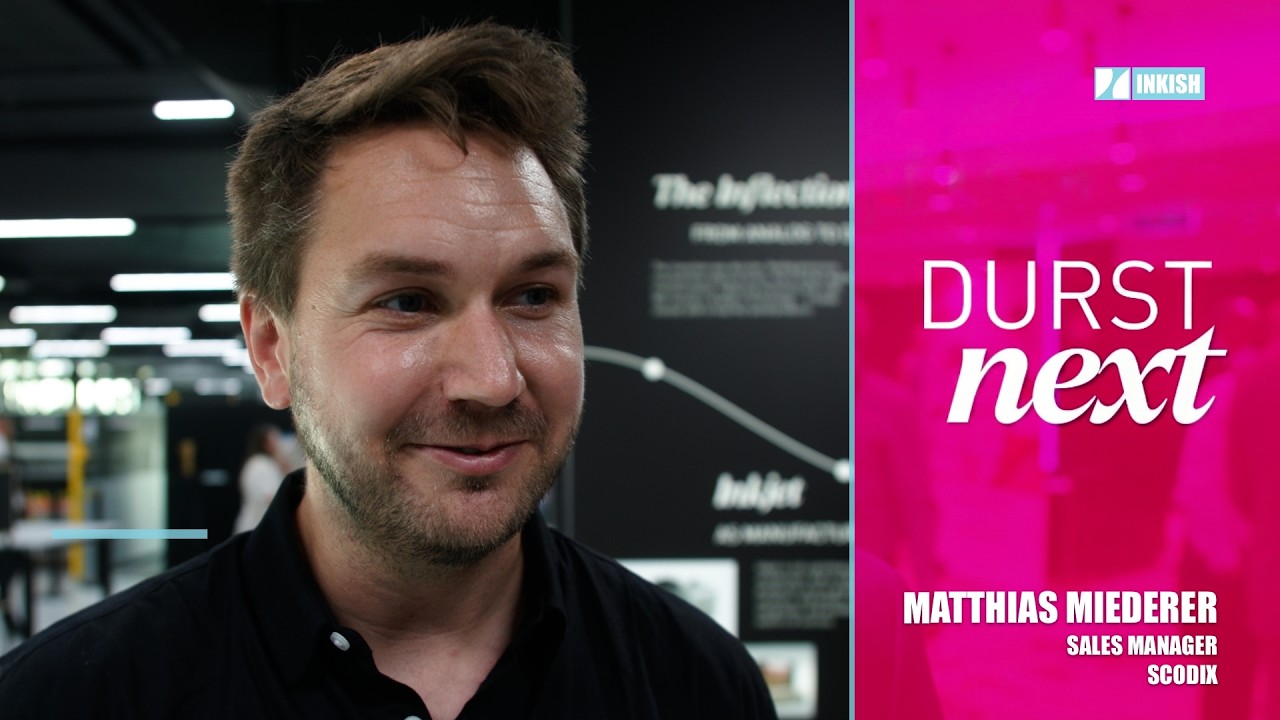
Matthais Miederer · Sales Manager · Scodix ...
At Durst's Print Next event in Brixen, Wayne Beckett speaks with Matthias Miederer, Regional Sales Director DACH at Scodix, about the continued evolution of digital embellishment and why the technology is becoming increasingly relevant across commercial print, packaging, and wide-format applications. Having spent more than a decade working with digital embellishment technologies, Matthias reflects on his journey through the industry and explains why joining Scodix represented the next logical step. Today, he is responsible for the DACH region, one of Europe's most important markets for value-added print, where printers are increasingly looking beyond commodity production towards higher-margin applications. The conversation explores the launch of Scodix's newest platform, which significantly expands the range of printable substrates. From lightweight commercial papers to corrugated board, rigid materials, Dibond, and acrylic, the new press enables print service providers to address a far broader range of applications with a single investment. For many businesses, this opens opportunities to serve new markets while creating greater flexibility across existing production. Wayne also asks an important question that many print service providers may be considering themselves: if you don't already offer digital embellishment, where should you begin? Matthias believes the starting point is not the technology itself but the business case. Digital embellishment is fundamentally about creating additional value, allowing printers to differentiate their products, command higher margins, and generate new revenue streams rather than competing solely on price. The discussion also highlights the growing opportunities within packaging, where shorter production runs and increased demand for premium finishes continue to drive interest in digital embellishment technologies. As brands look for ways to create greater shelf impact without sacrificing flexibility, solutions such as those from Scodix are becoming increasingly relevant. A fascinating conversation about innovation, value creation, premium print, and why digital embellishment continues to open new opportunities across multiple print markets.