Email
Password
Loupe (former LabelExpo) 2026
Think Smart Factory
DURST Next
Canon - Power to Move
Fujifilm - Unveilling a New Standard Revoria PC2120
Intergraf Print Matters Budapest 2026
Book Your Future EVENT [REPLAY] Meccanotecnica
FESPA Barcelona 2026 - Igennem danske briller
FESPA Barcelona 2026
Rudolph Druck Print Symposium - Danger Zone - 2026
Expografica 2026 Mexico
Fujifilm Open House JetPress FP790
Koenig & Bauer | DURST Open House VariJET 106
Online Print Summit 2026 Munich
FESPA Denmark
Connect 2026
Print Sample TV
The Print Show 2025 Birmingham
LabelExpo Barcelona 2025
LabelExpo Mexico 2025
Online Print Symposium 2025
Heidelberg 175th Anniversary
IST UV-Days 2025
Taktiful Tuesdays
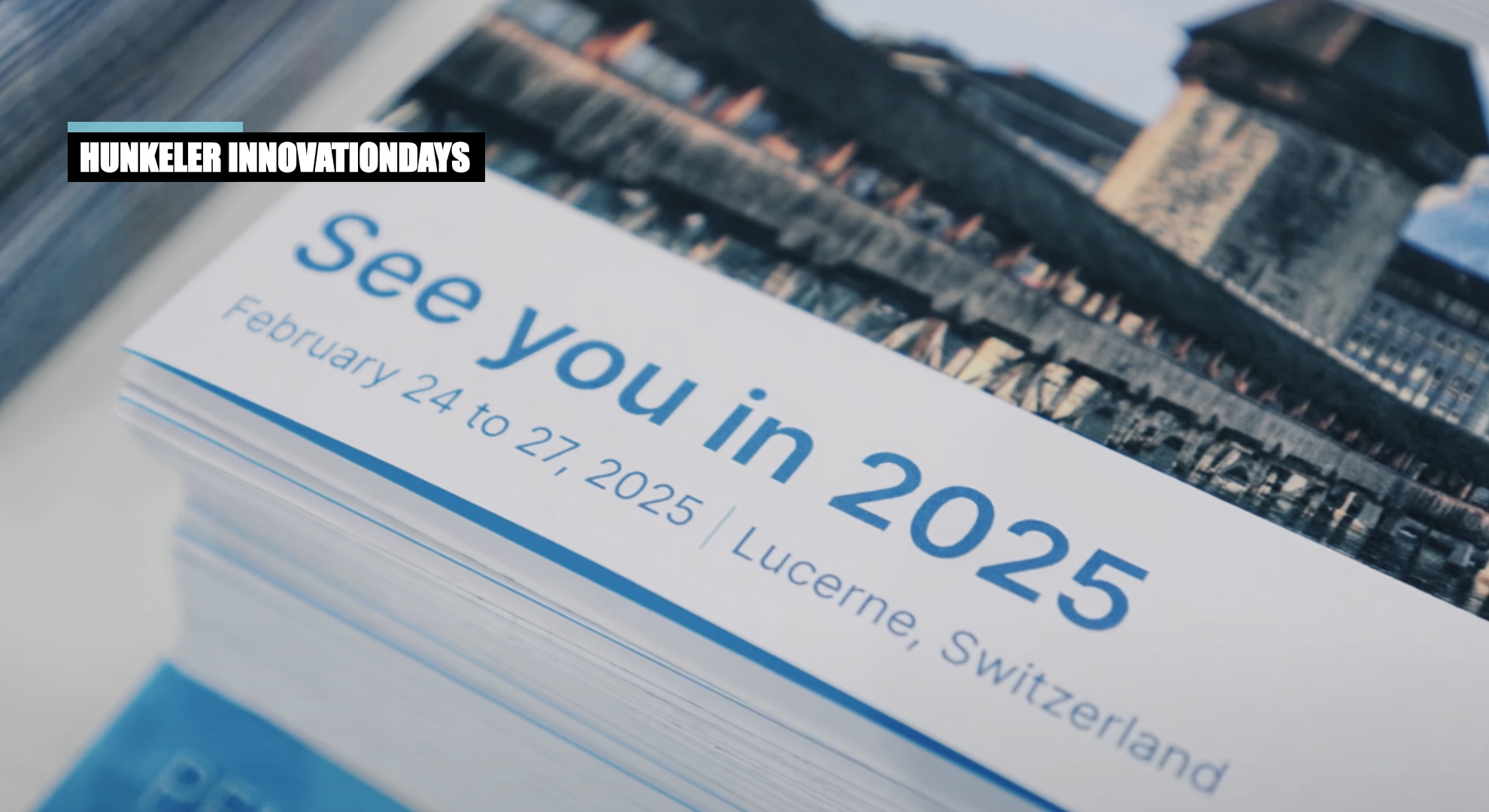
Hunkeler Innovationdays 2025 #HID25
PrintPack India 2025
BOBST Open House - West
Kohlhammer Druck - Event
PRINTING United Expo 2024
The New Offset Machine, that yet doesn't exist
Drupa 2024
VIGC at DRUPA 2024
PreDrupa 2024 LIVE · May 14th 2024
FESPA Amsterdam 2024
PreDrupa FEB27TH
C!Print Lyon 2024
atomyx launch 2024
LAUNCH RICOH PRO Z75
UNBOXING AGFA SPEEDSET 1060
Hunkeler & Müller Martini on INKISH
Get Work Done
IST UV-Days 2023
Seiko Open Week 2022
FESPA Munich 2023
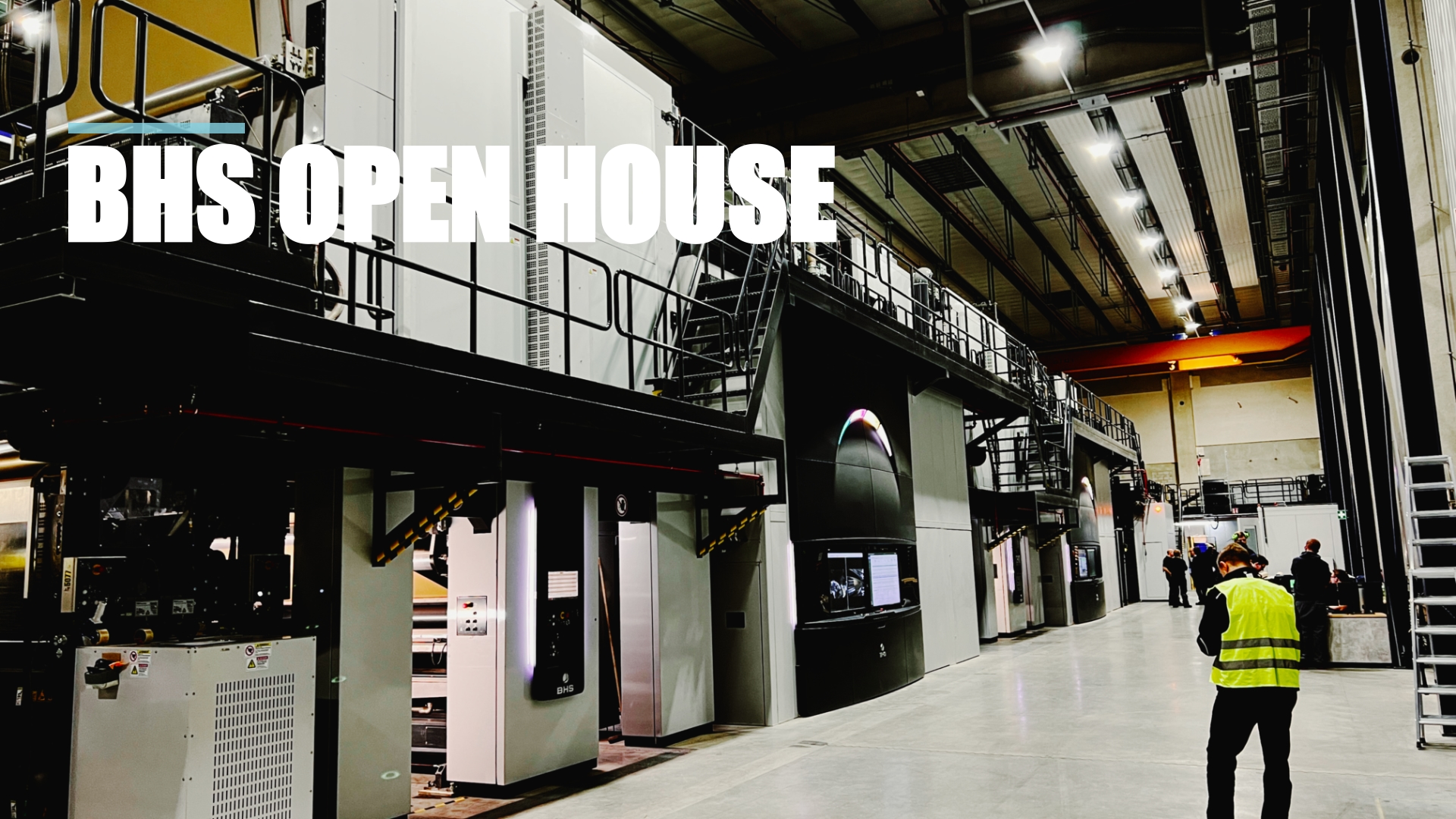
BHS Open House '23
Leadership
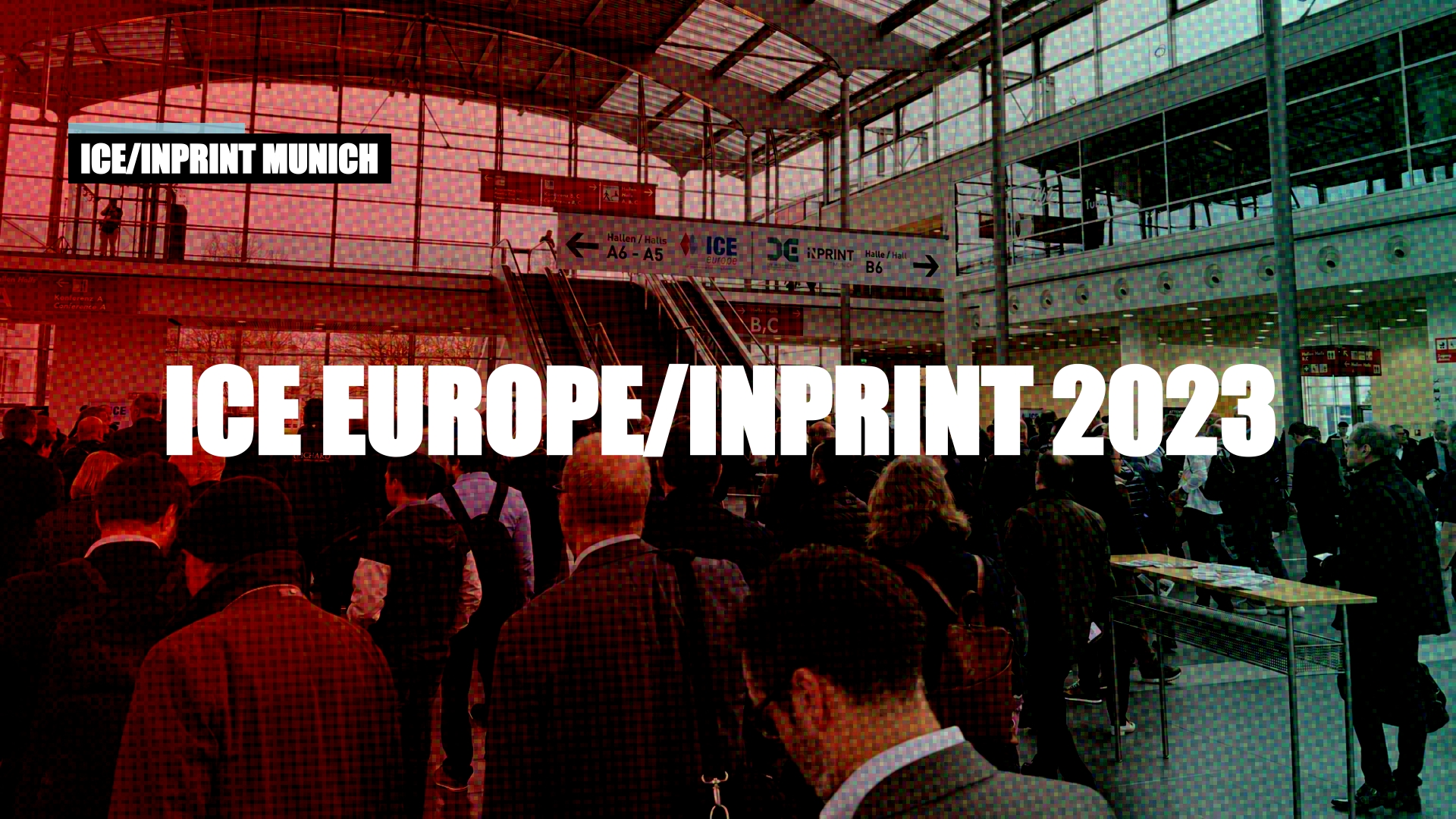
ICE Europe/InPrint 2023
Hunkeler Innovationdays #HID23
Horizon Finishing First
The Finishing Line - Replays
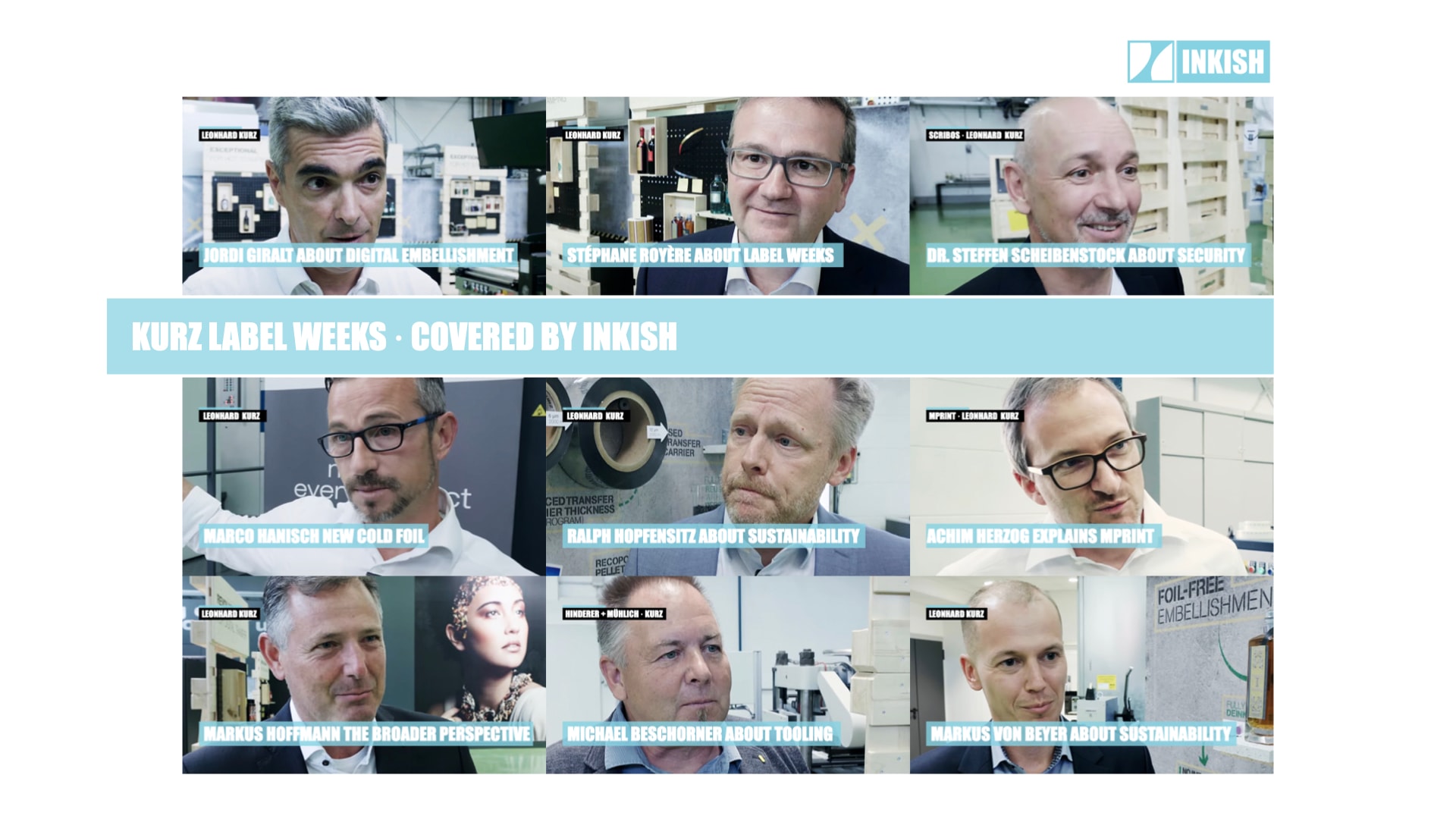
KURZ Label Weeks
Sign, Print & Promotion Helsinki 2022
DURST Expo 2022 Label
Xeikon Café 2022
EFI Connect
Peak Performance Print Experience FujiFilm
What's Up Dscoop - Down Memory Lane from Edge Rockies 2022
INKISH PreDrupa March 26th
HP DRUPA PRE-EVENT 2024
#LearnWithUs MIS
Subscribe to our INKISH newsletter
At FESPA Barcelona 2026, Wayne from INKISH speaks with Chris Davies from Epson about the company’s growing presence across multiple print segments, including signage, dye sublimation, DTF, UV printing, and software solutions. Reflecting on the first days of the exhibition, Davies highlights the strong visitor quality at this year’s FESPA, with customers arriving ready to invest and explore new production technologies. The conversation covers several of Epson’s latest developments, including the SureColor V4000 UV printer, the new F20,000 dye sublimation printer, and the G9000 wide-format DTF solution. Davies also discusses Epson’s expansion into workflow and color management technologies through software platforms such as Fiery integration and Epson’s own SD10 spectrometer solution, which allows users to capture and reproduce colors quickly and accurately within production workflows. Together, they discuss how Epson continues to expand beyond hardware into integrated production ecosystems that combine printing, software, color management, and workflow automation. The interview also highlights the growing demand for versatile production technologies across textile, signage, and industrial print markets, as well as Epson’s positive business momentum entering 2026.
At FESPA Barcelona 2026, Wayne from INKISH speaks with Ken Hanulec from EFI about the company’s latest developments across signage, packaging, corrugated, and industrial textile printing. EFI presents a broad portfolio of new technologies at the show, including high-speed UV printers, dye sublimation systems, roll-to-roll solutions, and advanced workflow automation tools, all attracting strong attention from visitors across Europe and beyond. The conversation highlights several of EFI’s newest systems, including the FabriVU 340i+ for high-end dye sublimation graphics, the Q3h XP seven-color UV printer, the hybrid M3hX platform, and the wide-format X5r roll-to-roll solution. Hanulec explains how EFI focuses on combining speed, color quality, flexibility, and automation to help customers improve efficiency while delivering highly differentiated graphics for demanding brand applications. Together, they also discuss the increasing role of software-driven automation, production analytics, sustainability, and labor reduction within modern print manufacturing. EFI’s portfolio includes LED curing technologies, environmentally conscious print solutions, and workflow systems designed to optimize factory performance and reduce operational costs. The interview also touches on EFI’s recent EDP Award wins for its roll-to-roll and Nozomi product families, underlining the company’s continued focus on innovation across industrial digital print markets.
At FESPA Barcelona 2026, Wayne from INKISH speaks with Jacob Hansen from Robotfactory about how robotics and automation are becoming increasingly important within the graphics and finishing industry. Working closely with Zünd for more than 30 years in the Nordic region, Robotfactory specializes in integrating robotic solutions with digital cutting systems to automate loading, unloading, sorting, and material handling processes for print and finishing companies. The conversation explores how modern robotic systems are evolving from simple collaborative robots into highly flexible production tools capable of handling sheets, rolls, stickers, streamers, and a wide variety of materials through interchangeable grippers and software-controlled workflows. Hansen explains that Robotfactory focuses on creating standardized automation platforms that can later be customized and upgraded to meet customer requirements. Together, they discuss the challenges of labor shortages, rising production costs, and the need for easy-to-use automation that integrates seamlessly into existing workflows. While robotic systems represent a significant investment, Hansen argues that the return on investment often comes faster than expected, especially as labor becomes more expensive and difficult to find. Both agree that robotics will play a central role in the future of print production, particularly as the industry moves toward more automated, flexible, and lights-out manufacturing environments.
At FESPA Barcelona 2026, Wayne from INKISH speaks with James Fu from Aily Group about the company’s rapid expansion into the European market and its latest AI-driven UV printing technologies. Based in China with growing operations and support infrastructure across Europe, Aily Group is focused on bringing advanced automation, robotics, and intelligent printing systems to industrial and graphics applications. The conversation centers on the company’s AI-enabled UV flatbed solutions, which combine robotic loading systems, automated positioning, and camera-driven print recognition to create highly automated production environments. Fu explains how the company has spent years developing “non-stop AI” technology that allows continuous automated production with minimal human intervention. The systems are designed to identify products automatically, handle multiple applications, and operate around the clock, particularly for industrial markets such as toy manufacturing and customized object printing. Together, they discuss how labor shortages, rising production costs, and increasing demand for automation are driving interest in robotics and AI-powered print systems. Fu also highlights Aily Group’s ambitions to build a stronger European distributor network while continuing to refine its products through close cooperation with end users and real-world production environments.
At FESPA Barcelona 2026, Wayne from INKISH speaks with Michael Deflorian from Durst about the company’s visionary “Kyveris Sandbox” concept, a fully autonomous production environment designed to demonstrate the future of industrial digital print manufacturing. Combining robotics, autonomous guided vehicles (AGVs), AI-driven workflow intelligence, quality inspection systems, and digital twin technology, the setup showcases how lights-out production is moving from concept to reality. Deflorian explains how the system creates a virtual digital twin of the production environment that continuously monitors and synchronizes with the physical production line in real-time. Materials are automatically transported by AGVs, loaded and unloaded by robotic arms with sub-millimeter precision, printed, quality-checked through camera inspection systems, and sorted automatically without human intervention. The solution is designed to reduce touchpoints, minimize waste, improve efficiency, and support fully automated production workflows across complex print environments. The conversation also highlights how Durst’s open software architecture and Open Software Initiative enable integration with third-party devices, OEM equipment, and external workflow systems, enabling automation across mixed production environments rather than only within a single vendor ecosystem. Together, they discuss how AI, automation, sustainability, and industrial intelligence are rapidly reshaping the future of print production.
At FESPA Barcelona 2026, Wayne from INKISH speaks with Robert Zehnpfenning from Kolbus about the growing opportunities in the corrugated packaging market and the company’s latest production solutions. Exhibiting in FESPA’s dedicated corrugated section, Kolbus presents both its Box Maker and Rotary Die Cutter systems, attracting strong interest from visitors across Spain and international markets. The conversation focuses on the Kolbus Box Maker, designed for small to medium production runs of highly customized corrugated packaging. Combining integrated digital printing with servo-driven automation and rapid setup times of around 60 seconds, the system enables flexible and efficient short-run production. Zehnpfenning also discusses the company’s heavy-duty rotary die cutter, built with robust German engineering for medium to large production volumes, emphasizing precision, durability, and high-performance manufacturing. Together, they discuss how automation, intelligent controls, and flexible production are becoming increasingly important within corrugated packaging as converters seek faster turnaround times, greater customization, and more efficient workflows. The interview also highlights Kolbus’ expanding international presence, including installations in markets such as Mexico, and the company’s continued focus on innovation within corrugated production technology.
At FESPA Barcelona 2026, Wayne from INKISH speaks with Neil Felton, CEO of FESPA, about the strong success of this year’s exhibition and the continued evolution of the event as one of the print industry’s most important international gatherings. Reflecting on the first days of the show, Felton highlights positive feedback from exhibitors on visitor quality, strong footfall, and growing international attendance in Barcelona. The conversation explores FESPA’s expansion into new sectors, including corrugated packaging, personalization, and textile applications, as well as the importance of creating specialized areas and communities within the exhibition. Felton explains how FESPA’s federation structure, supported by 37 national associations and thousands of members worldwide, helps drive engagement and strengthens the event’s community-focused identity. Together, they discuss why Barcelona has proven to be such a successful host city, combining strong industry participation with its status as an attractive international destination. The interview also touches on the future of FESPA, including upcoming developments for Munich 2027, the continued growth of the exhibition after COVID, and the increasing importance of building trade shows around active industry communities rather than simply exhibition space.
At FESPA Barcelona, Wayne from INKISH speaks with Christoph from Printess about how AI is beginning to transform personalized print products and web-to-print services. The conversation focuses on Printess’ new AI-driven photo book solution, where users simply upload a folder of holiday photos and artificial intelligence automatically selects, analyzes, and designs the photo book based on image quality, facial expressions, focus, and composition. Christoph explains how the solution is designed as an easy add-on service for PSPs and web-to-print providers, allowing them to offer photo books through their existing customer databases without necessarily producing the products themselves. The discussion also highlights how software companies face varying levels of visibility at exhibitions like FESPA, where hardware often dominates attention, even as software solutions remain crucial for automation, customer access, and expanding product portfolios.
At FESPA Barcelona, Wayne from INKISH speaks with Len Koerts from Kornit Digital about the company’s latest developments in direct-to-garment and direct-to-fabric printing. The conversation highlights Kornit’s new Atlas Matrix platform, which combines cotton and polyester printing capabilities into a single machine and addresses major industry challenges, such as dye migration, through Kornit’s new “Digi Blocker” technology. Len Koerts explains that while Kornit is known for its machines, the company is fundamentally built around ink chemistry and innovation. The discussion also explores how automation, robotics, workflow integration, and software are becoming increasingly critical as labor costs rise and production demands become more complex. Following Kornit’s acquisition of PrintFactory, the company now offers integrated workflow solutions designed to optimize both production efficiency and print-on-demand business models. Together, they discuss how the future of textile printing depends on combining sustainability, automation, software, and high-quality on-demand production to reduce waste and improve profitability.
At FESPA Barcelona 2026, Wayne from INKISH speaks with Andy Wauters from SAi about the company’s role in the global large-format print and sign industry. Although often operating behind the scenes through OEM partnerships, SAi has become one of the industry’s major software providers, delivering cloud-based workflow and production solutions for sign making, printing, and cutting applications. The conversation focuses on Flexi, SAi’s flagship software platform, which combines design, print production, and cutting workflows into a single environment. Wauters explains how SAi has evolved from traditional software installations to a fully cloud-based subscription model and how the company integrates with leading OEMs, including Roland, Summa, Epson, Canon, and numerous printer manufacturers worldwide. Together, they discuss the growing importance of software, APIs, automation, and workflow integration in modern print production, as well as SAi’s steady global growth across the sign, graphics, and industrial print markets.
At FESPA Barcelona 2026, Wayne from INKISH speaks with Chris Schowalter from Durst about the European launch of the company’s Open Software Initiative, a major step toward creating fully connected, API-driven workflow ecosystems for the print industry. The initiative, built around Durst’s Kyana software strategy, combines web-to-print, ERP, PDF optimization, RIP technology, analytics, and cloud-based workflow tools into an open, modular platform that integrates with virtually any print environment. Chris Schowalter explains how the system is designed to give customers flexibility, allowing them to implement complete end-to-end workflows or select modules as needed. The conversation also explores Durst’s growing software ecosystem, including Smart Shop, Lift ERP, Prepare, and Produce, as well as integrations with GMG, Enfocus Switch, and other third-party technologies. Together, they discuss how openness, automation, APIs, cloud connectivity, and AI-driven workflow optimization are becoming increasingly important as the print industry moves toward more scalable and interconnected production environments.
At FESPA Barcelona 2026, Wayne from INKISH speaks with Isabell Nope from Enfocus about how automation, AI, and workflow integration continue to transform print production. As Product Manager for Switch, Nope explains how Enfocus uses live demonstrations at exhibitions to showcase the power of connected workflows, app integrations, and automated file processing in real time. One of the highlights at the booth is an interactive football-card application where visitors upload a smartphone image that automatically moves through a complete Switch workflow. The system removes backgrounds, applies AI enhancements, adds graphic elements, and delivers a finished personalized card back to the user within moments. Nope also discusses Enfocus’s expanding App Store ecosystem, now featuring hundreds of integrations, as well as the company’s upcoming AI assistant designed to simplify onboarding and workflow setup for users. The conversation also touches on Griffin+, Enfocus’s award-winning nesting software for wide-format production, which recently received an EDP Award for innovation.
Robert talks to Wayne about Kiwiplan's ERP system, Advantive, that is designed specifically for corrugated packaging companies to improve workflow visibility, production planning, automation, and greater operational efficiency.
Ben talks to Wayne about how Kongsberg's approach is built around listening closely to customers and understanding the real production challenges they face every day, rather than simply selling equipment.
Micol talks to Wayne about the new VUTEK FabriUV 340 i8 production level dye sublimation printer built for soft signage producers, with 8 colours and a new wider gamut to accurately brand colours.
Wayne talks to Bastiaan about the need for automation in the graphic arts industry and how KV Techniek is producing robots and fully automating production.
David talks to Wayne about Kongsberg's latest product developments and how the company continues to innovate its automation solutions to meet growing customer demand for faster workflows, increased productivity, and smarter finishing operations.
Stuart Fox speaks openly about Kongsberg global postion within the market, acknowledging the challenges currently facing the industry while highlighting the company's continued focus on innovation customer support and long-term strategic growth.
Gisele Robeson, talks to Wayne about the Fiery Impress system, the award winning DFE that easily integrates with any digital inkjet press or workflow.
Matteo Dago from Heidelberg, Scodix's agent in Italy, talks to Wayne about the first customer they have for the new Scodix Ultra 7000 corrugated digital embellishment machine.