

































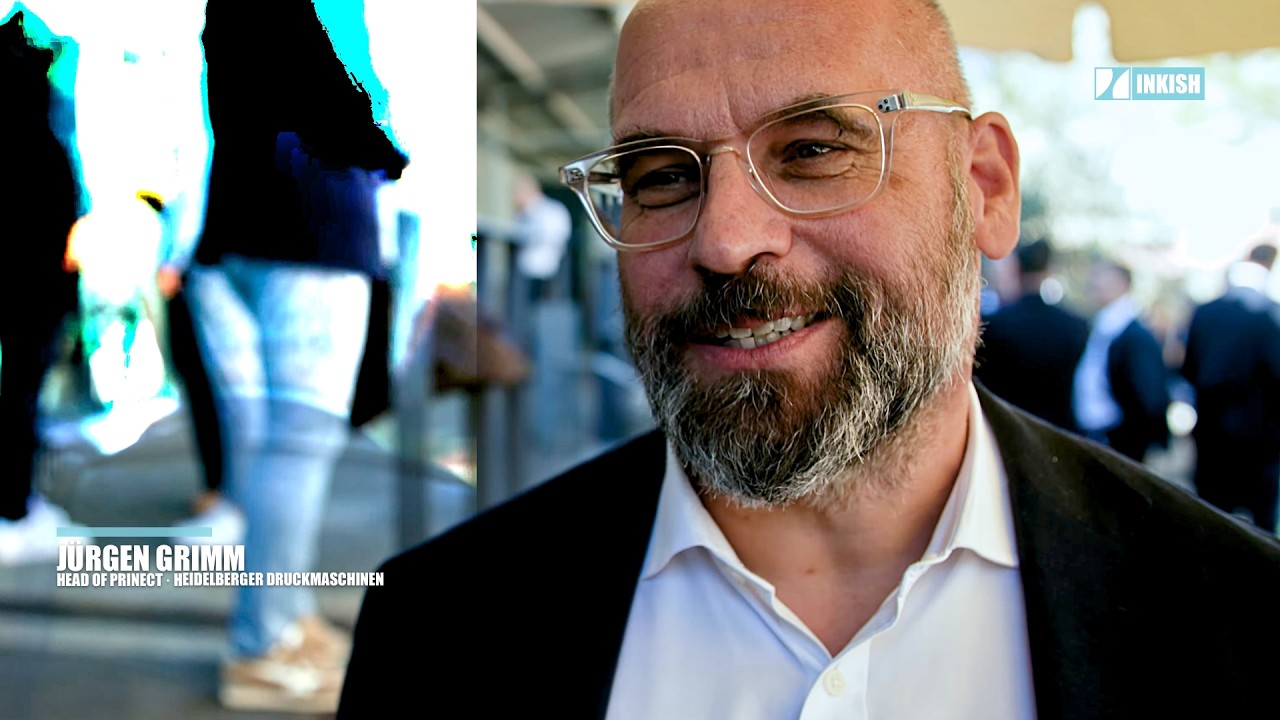
Jürgen Grimm · Head of Prinect · Heiderlberger Druckmaschinen · Shift
Jürgen Grimm has spent more than 30 years with HEIDELBERG, moving through service, marketing, press business, management in the US, and now software. That broad experience gives him a rare perspective on how both HEIDELBERG and the printing industry have changed — and why the next transformation may be one of the most fundamental yet.
At the HEIDELBERG SHIFT event, we talk about software, AI, connectivity, cloud technology, and the enormous challenge of bringing increasingly fragmented production environments together. Jürgen describes HEIDELBERG Connect as the glue between systems, but also makes an important point: no printer operates only HEIDELBERG equipment. If software is going to serve customers properly, it has to become increasingly open and capable of connecting machines and systems across the entire production environment.
That matters when an average printing company can have more than 40 different software and machine systems in operation. Historically, technologies such as JDF helped establish common definitions and structures, but the future of connectivity will likely look very different. APIs, modern data models, cloud infrastructure, and new approaches such as MCP are making integration easier, while AI creates new possibilities for understanding and using the data already available.
HEIDELBERG has been collecting machine data for decades, initially with service and predictive monitoring in mind. Today, that same foundation can potentially support much broader applications. Jürgen distinguishes between the vertical view of individual equipment and the horizontal view a printer has across an entire production process — and it is precisely this horizontal integration that represents one of the industry’s biggest opportunities and challenges.
We also discuss how quickly expectations are changing. People compare business software not only with other printing applications, but with the technology they use every day — Amazon, Canva, AI tools, and consumer applications that have fundamentally changed our perception of usability and speed.
For Jürgen, the role of a technology leader is therefore changing as well. It is no longer simply about defining a five-year development roadmap inside one central R&D department. It is about listening to customers, learning from other industries, identifying which technologies are real and which are hype, connecting hundreds of different experiences, and then turning those insights into scalable solutions.
In other words, leadership may increasingly be about connecting the dots — and finding a way to industrialize what those dots reveal.



No Data Found.
Content for this section will appear here once available
Wed October 7th
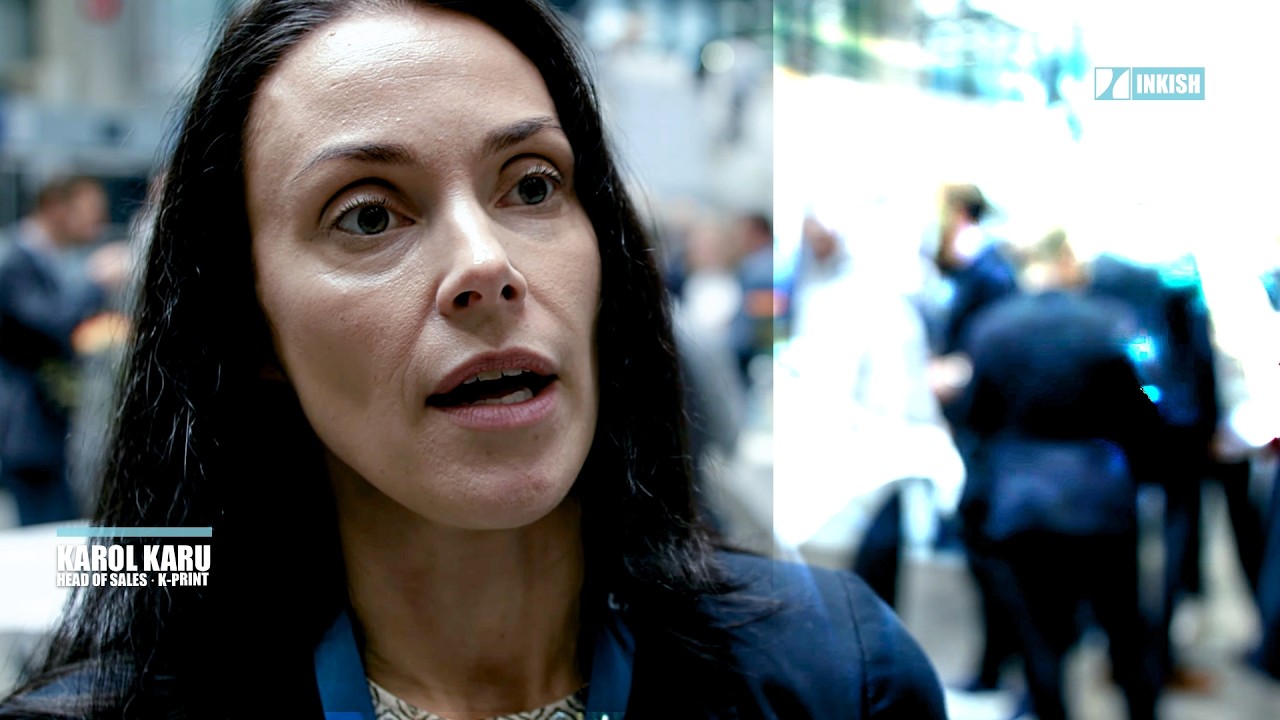
Karol Karu · Head of Sales · K-Print · Sh...
Karol Karu is the Head of Sales for Estonian printing company K-Print. In this interview, she talks about how the Nordia/Baltic consolidation is a huge advantage for them. She also surprises your humble editor by saying that they experience larger print runs on average and therefore, of course, keep an eye on digital, but they are not really afraid of the competition here. Super interesting!