













Christopher Berti · SVP Digital Print Ecosystem · Heidelberger Druckmaschinen · Shift
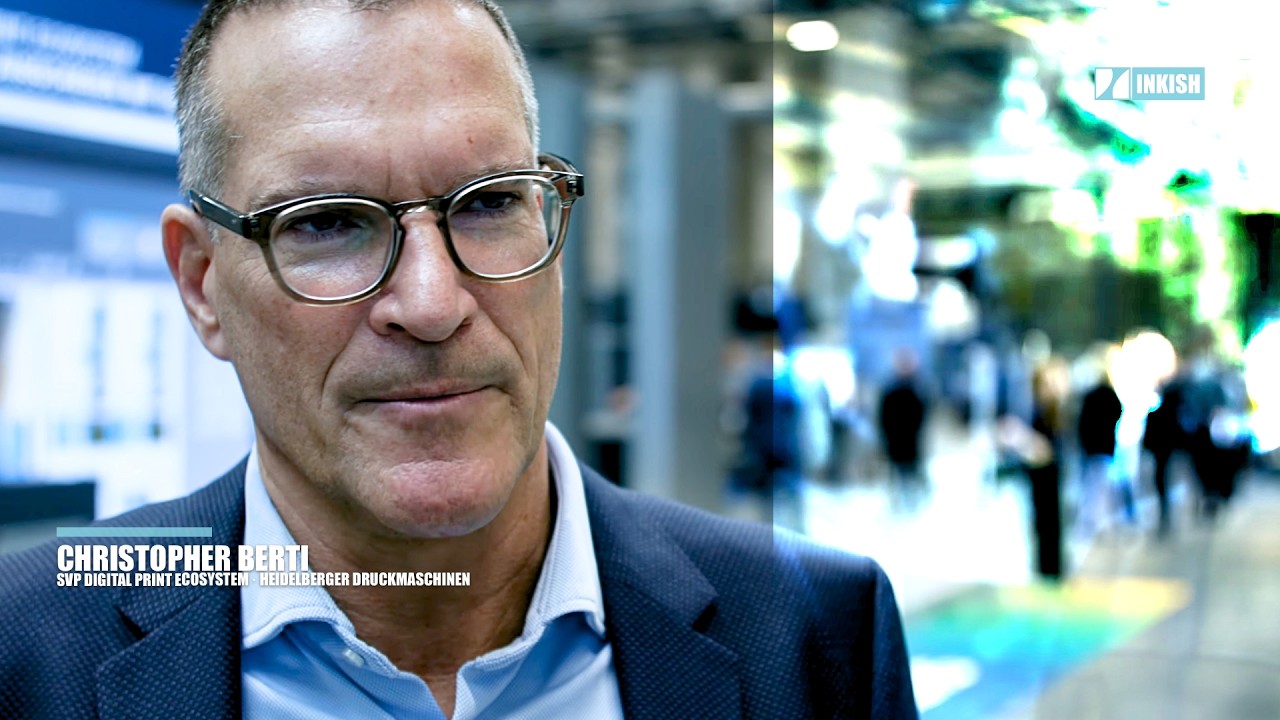
HEIDELBERG may be famous for heavy metal, but digital print has been part of the company’s portfolio for many years — and with Jetfire, the digital strategy has clearly moved to another level.
At the HEIDELBERG SHIFT event in Wiesloch, we talk with Christopher, SVP Digital Solutions and Digital Print Ecosystem, about the changing commercial printing market, the growing role of inkjet, and why HEIDELBERG increasingly sees offset and digital not as competing technologies, but as parts of the same production ecosystem.
Commercial print volumes may be declining, but the number of individual orders continues to increase. Printers are producing more jobs with fewer sheets per job, making automation and intelligent job routing increasingly important. Digital production fits naturally into that environment, while offset remains extremely competitive for longer runs. The challenge is therefore not deciding between offset and digital, but determining which technology is right for each individual job.
That is where Prinect becomes central to HEIDELBERG’s strategy. By connecting offset and digital production within the same workflow, jobs can increasingly be directed toward the most suitable output technology based on run length, cost, productivity, and other production criteria. For existing HEIDELBERG customers, the ambition is to create one ecosystem rather than separate islands of production.
We also talk about Jetfire. The Jetfire 50 is now establishing itself in the market, with around 30 units sold worldwide according to Christopher, while the B2 Jetfire 75 is scheduled to follow. The partnership with Canon, announced at drupa 2024, surprised many in the industry, but combining Canon’s inkjet technology with HEIDELBERG’s workflow, customer base, service organization, and offset expertise creates an interesting proposition.
And while printed sheet volumes may continue to decline in parts of commercial print, Christopher makes another important point: shorter runs can generate a higher value per printed page. The future of commercial print may therefore be less about producing ever more sheets and increasingly about producing more individual jobs efficiently and profitably.
SHIFT itself reflects the same thinking. The first day brings perspectives from outside HEIDELBERG, including software, automation, AI, and robotics, while the second day brings those discussions closer to HEIDELBERG’s own technologies and developments. With more than 300 participants this year, the format clearly continues to grow.



No Data Found.
Content for this section will appear here once available
Wed October 7th
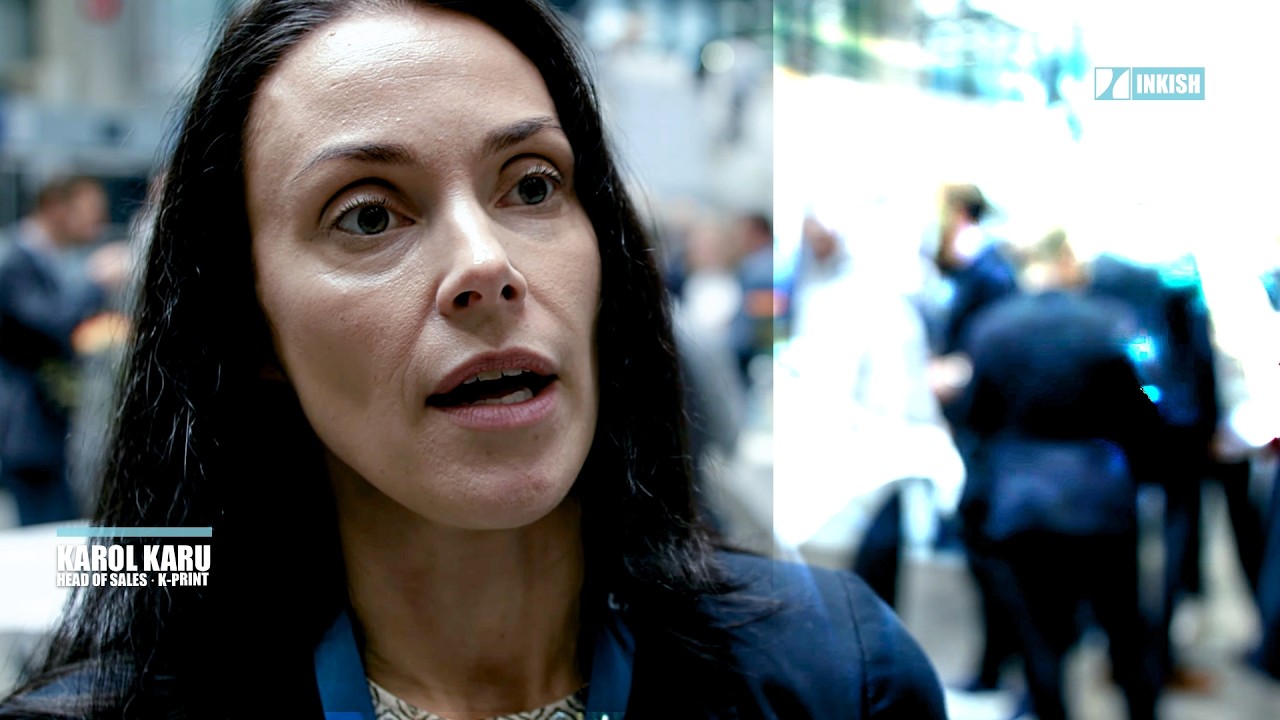
Karol Karu · Head of Sales · K-Print · Sh...
Karol Karu is the Head of Sales for Estonian printing company K-Print. In this interview, she talks about how the Nordia/Baltic consolidation is a huge advantage for them. She also surprises your humble editor by saying that they experience larger print runs on average and therefore, of course, keep an eye on digital, but they are not really afraid of the competition here. Super interesting!