









 belgium

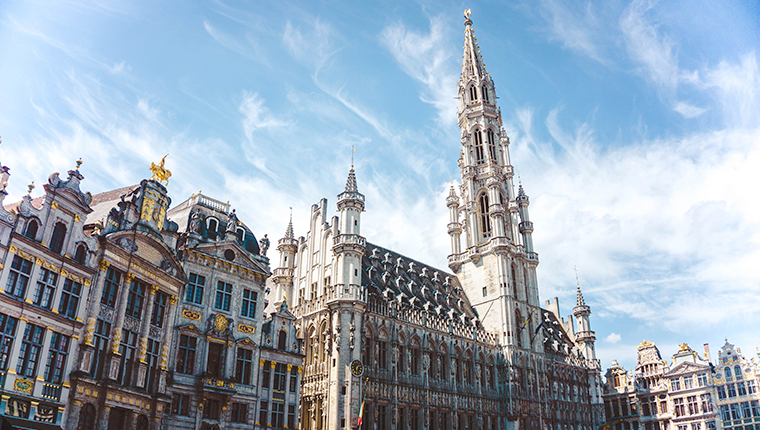
Belgium,[A] officially the Kingdom of Belgium, is a country in Western Europe. It is bordered by the Netherlands to the north, Germany to the east, Luxembourg to the southeast, France to the southwest, and the North Sea to the northwest. It covers an area of 30,689 km2 (11,849 sq mi) and has a population of more than 11.5 million, making it the 22nd most densely populated country in the world and the 6th most densely populated country in Europe, with a density of 376 per square kilometre (970/sq mi). The capital and largest city is Brussels; other major cities are Antwerp, Ghent, Charleroi and Liège.
Legally, Belgium is a sovereign state and a federal constitutional monarchy with a parliamentary system. Its institutional organization is complex and is structured on both regional and linguistic grounds. It is divided into three highly autonomous regions:[10] the Flemish Region in the north, Walloniain the south, and the Brussels-Capital Region. Brussels is the smallest and most densely populated region, as well as the richest region in terms of GDP per capita.
Belgium is home to two main linguistic groups or communities: the Dutch-speaking Flemish Community, which constitutes about 60 percent of the population, and the French-speaking Community, which comprises about 40 percent of all Belgians. A small German-speaking Community, numbering around one percent, exists in the East Cantons. The Brussels-Capital Region is officially bilingual (French and Dutch), although French is the dominant language.[11] Belgium’s linguistic diversity and related political conflicts are reflected in its political history and complex system of governance, made up of six different governments.
Historically, Belgium is part of an area known as the Low Countries, a somewhat larger region than the current Benelux group of states that also included parts of northern France and western Germany. Its modern name is derived from the Latin word Belgium, used in Julius Caesar‘s “Gallic War“, to describe the region in the period around 55 BCE.[12] From the end of the Middle Ages until the 17th century, the area of Belgium was a prosperous and cosmopolitan center of commerce and culture. Between the 16th and early 19th centuries, Belgium served as the battleground between many European powers, earning the moniker the “Battlefield of Europe”,[13] a reputation strengthened by both world wars. The country emerged in 1830 following the Belgian Revolution when it seceded from the Netherlands.
Belgium participated in the Industrial Revolution[14][15] and, during the course of the 20th century, possessed a number of colonies in Africa.[16] The second half of the 20th century was marked by rising tensions between the Dutch-speaking and the French-speaking citizens fueled by differences in language and culture and the unequal economic development of Flanders and Wallonia. This continuing antagonism has led to several far-reaching reforms, resulting in a transition from a unitary to a federal arrangement during the period from 1970 to 1993. Despite the reforms, tensions between the groups have remained, if not increased; there is significant separatism particularly among the Flemish; controversial language laws exist such as the municipalities with language facilities;[17] and the formation of a coalition government took 18 months following the June 2010 federal election, a world record.[18] Unemployment in Wallonia is more than double that of Flanders, which boomed after the war.[19]
Belgium is one of the six founding countries of the European Union and its capital, Brussels, hosts the official seats of the European Commission, the Council of the European Union, and the European Council, as well as one of two seats of the European Parliament (the other being Strasbourg). Belgium is also a founding member of the Eurozone, NATO, OECD, and WTO, and a part of the trilateral Benelux Union and the Schengen Area. Brussels hosts several of the EU’s official seats as well as the headquarters of many major international organizations such as NATO.[B]
Belgium is a developed country, with an advanced high-income economy. It has very high standards of living, quality of life,[20] healthcare,[21]education,[22] and is categorized as “very high” in the Human Development Index.[23] It also ranks as one of the safest or most peaceful countries in the world.[24]
Photo Credits
Photo by Daniel Cañibano on Unsplash
Photo by Alex Vasey on Unsplash
Photo by Yeo Khee on Unsplash
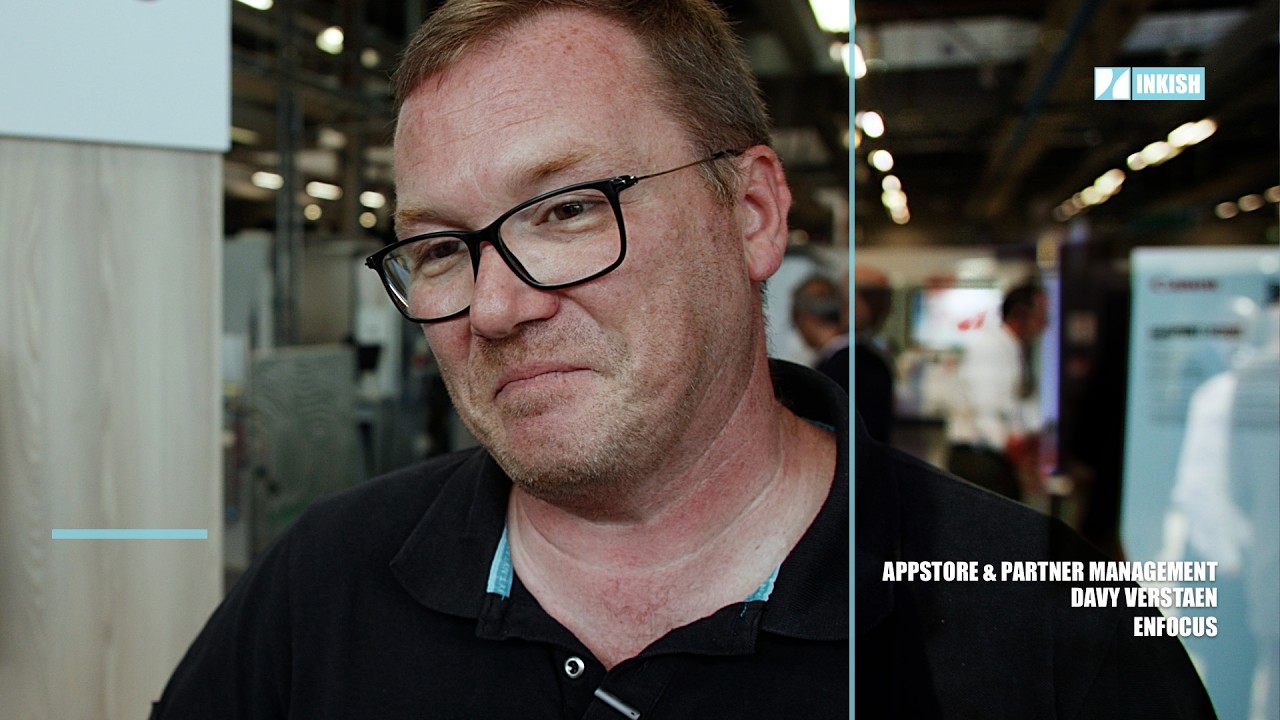
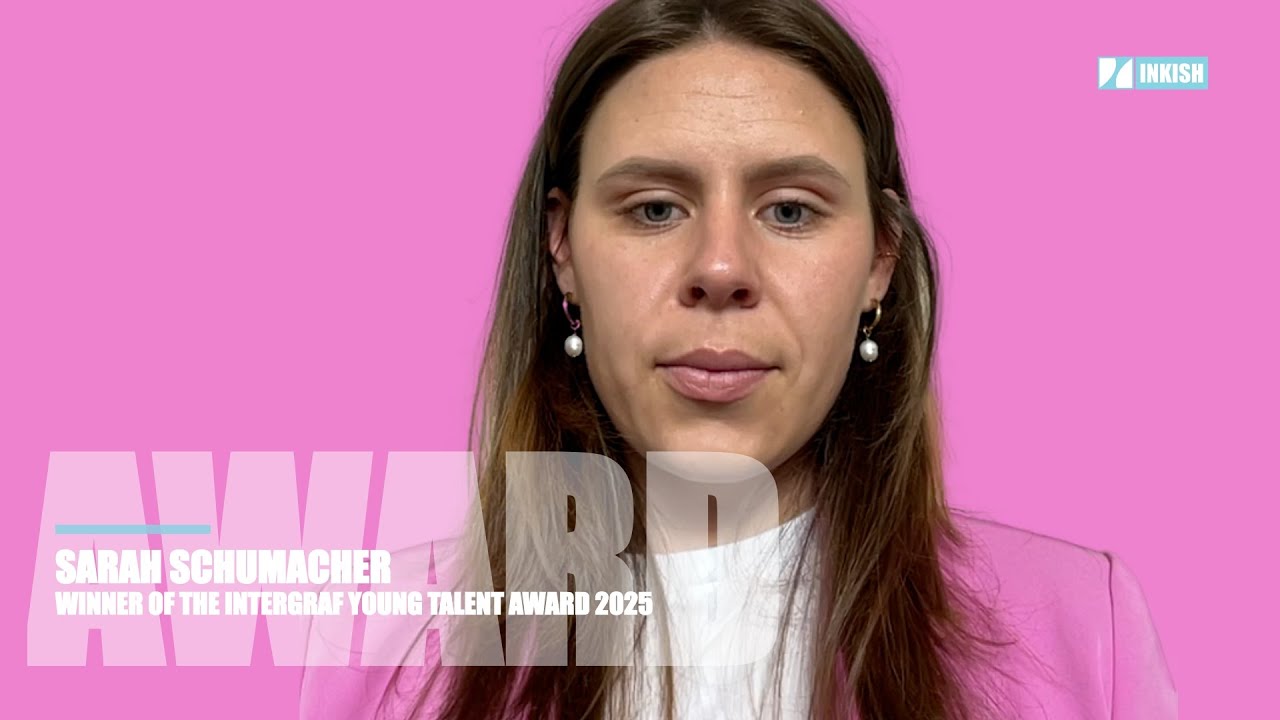
Sarah Schumacher Winner of Intergraf’s Young Talent Award 2025
Sarah Schumacher won the Young Talent Award 2025 - and we got the opportunity to get an interview, and whau. Determined, clever, and exactly the kind of talent we need is what she represents, and in this interview you will learn how Sarah Schumacher not only is the World Champion in Mini Golf, but also walked the El Camino de Santiago - 800 km in 29 days - to find out what she would like to study. The Camino didn't do the trick, but the people she met inspired her to take a degree in print. Now running her own consultancy business - well, this young lady can be tomorrow's leadership you need today. Watch, be inspired, and if you attend the Print Matters Conference on June 13th in Luzern, you will hear Sarah Schumacher speaking. Great to get to know you, Sarah! Read more about the Young Talent Award program here, and read the contributions:
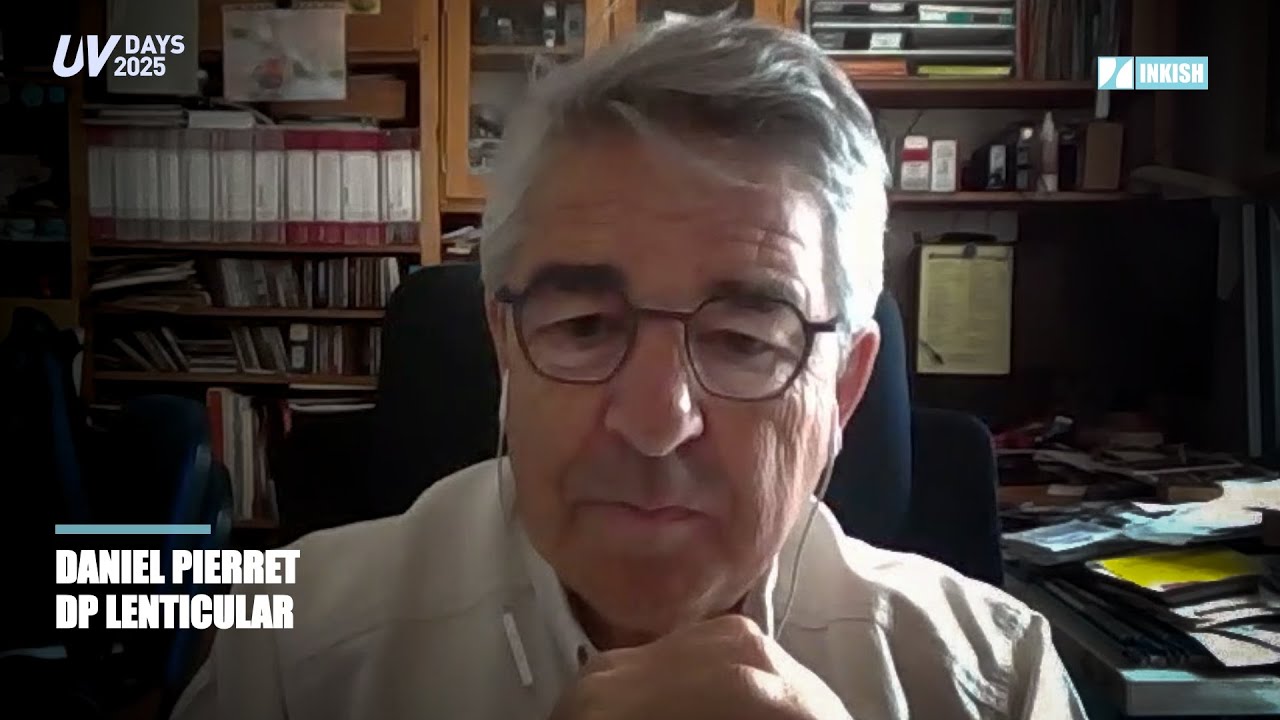
Daniel Pierret · Founder & Director · DP Lenticular · IST UV-Days 2025
Daniel Pierret got into the Lenticular/Substrate Institute as a photographer. When you talk to him, you instantly know that he loves photos, great design, and what lenticular can do to a photo or an image. Find inspiration here or at the IST UV-DAYS 2025 in Nürtingen, June 3rd-5th.
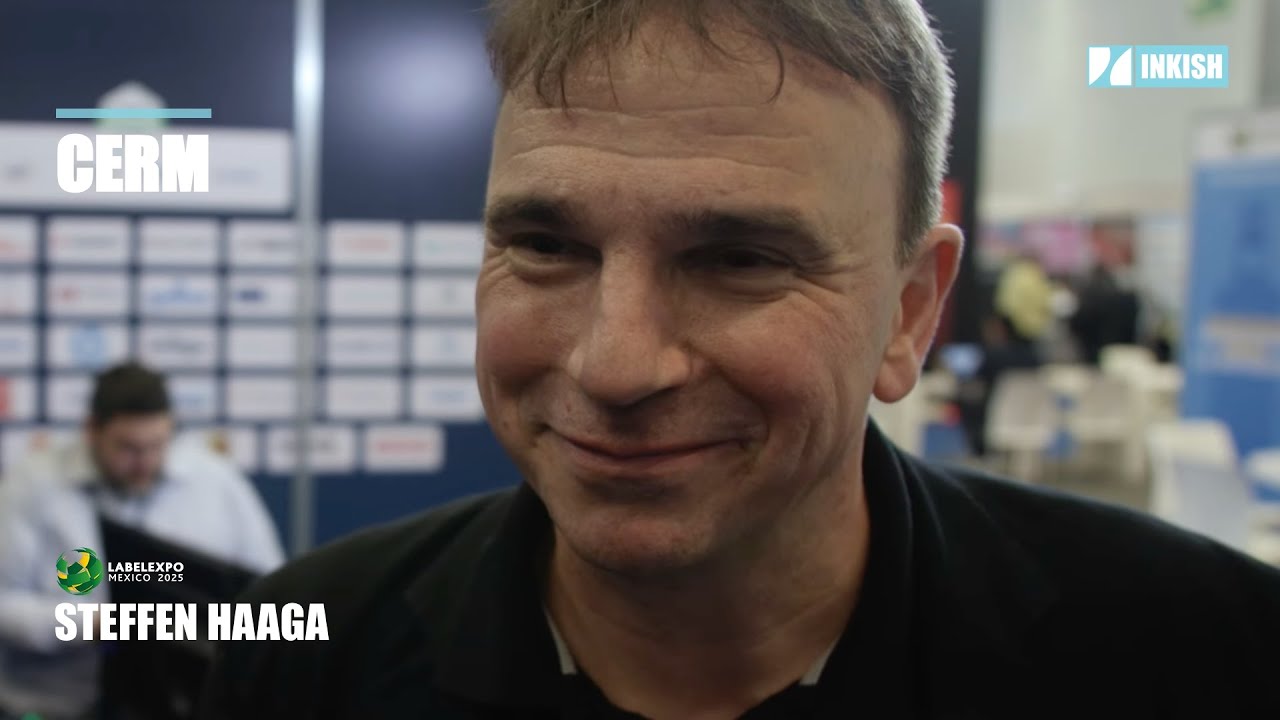
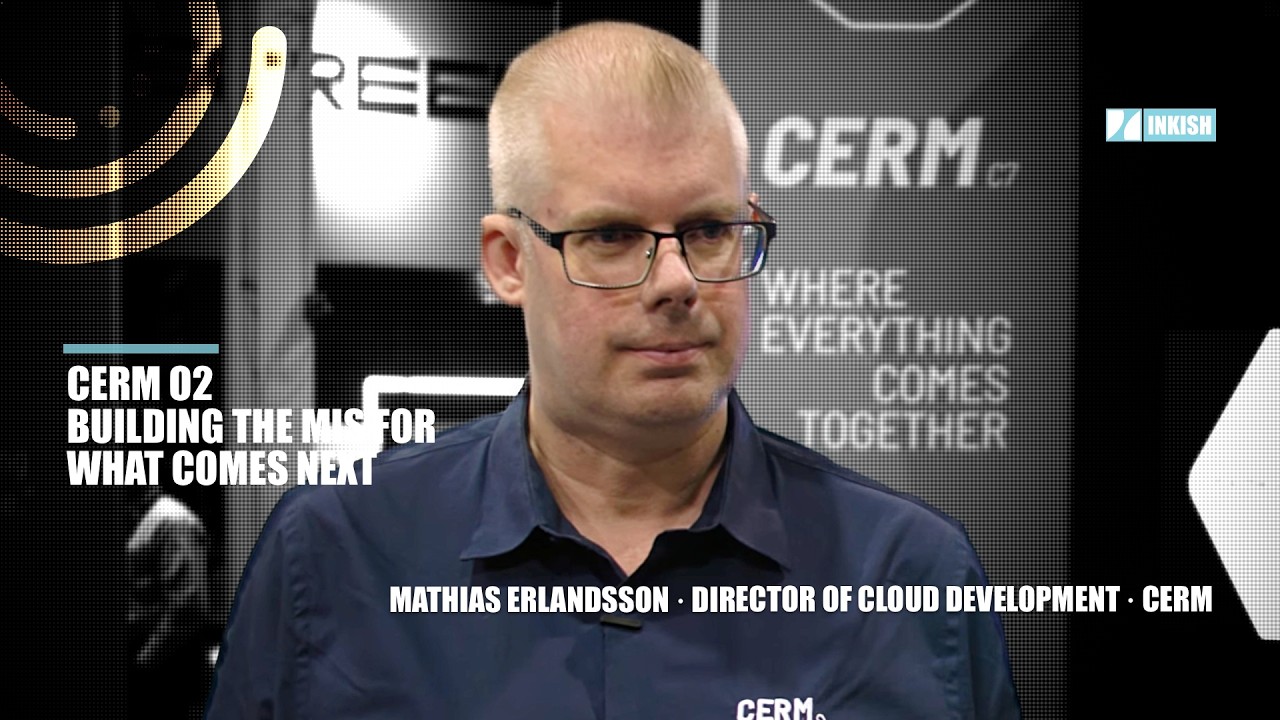
Steffen Haaga Director of Global Business Development CERM
At Labelexpo Guadalajara, CERM is present to showcase its growing commitment to the Latin American market, particularly Mexico. Steffen Haaga, representing the company, shares that this is his fourth visit to the country but the first time exhibiting at the show in Guadalajara. Previous visits revealed a vibrant and promising market, encouraging CERM to invest further and establish a stronger presence. Mexico has proven to be an exciting and significant region for the labels and packaging sector. With a large and growing population, increased demand for consumer goods, and a strong retail presence, the country offers substantial opportunities for companies like CERM. Some of the company’s largest and most impressive clients are based in Mexico, including Etiflex, a massive 500-employee printing facility in Mexico City, which stands out as one of the largest single-plant label operations. The conversation also touches on CERM’s recent acquisition of Swedish-based Omikai, a cloud-based MIS company. This strategic move is not just about expanding market reach but also about accelerating CERM’s technological development. Omikai’s advanced cloud architecture and highly capable team are expected to fast-track CERM’s cloud roadmap by several years. The synergy between the two companies is strong, both culturally and technically, making the integration a natural fit. Looking ahead, CERM sees significant potential in Mexico and across Spanish-speaking markets. With increased demand for automation and digital transformation in printing workflows, CERM is responding by building local capacity, including hiring support and implementation specialists in the region. The expectations for Labelexpo and beyond are high, driven by a belief in the region’s growth and a clear vision for supporting that growth with advanced solutions.
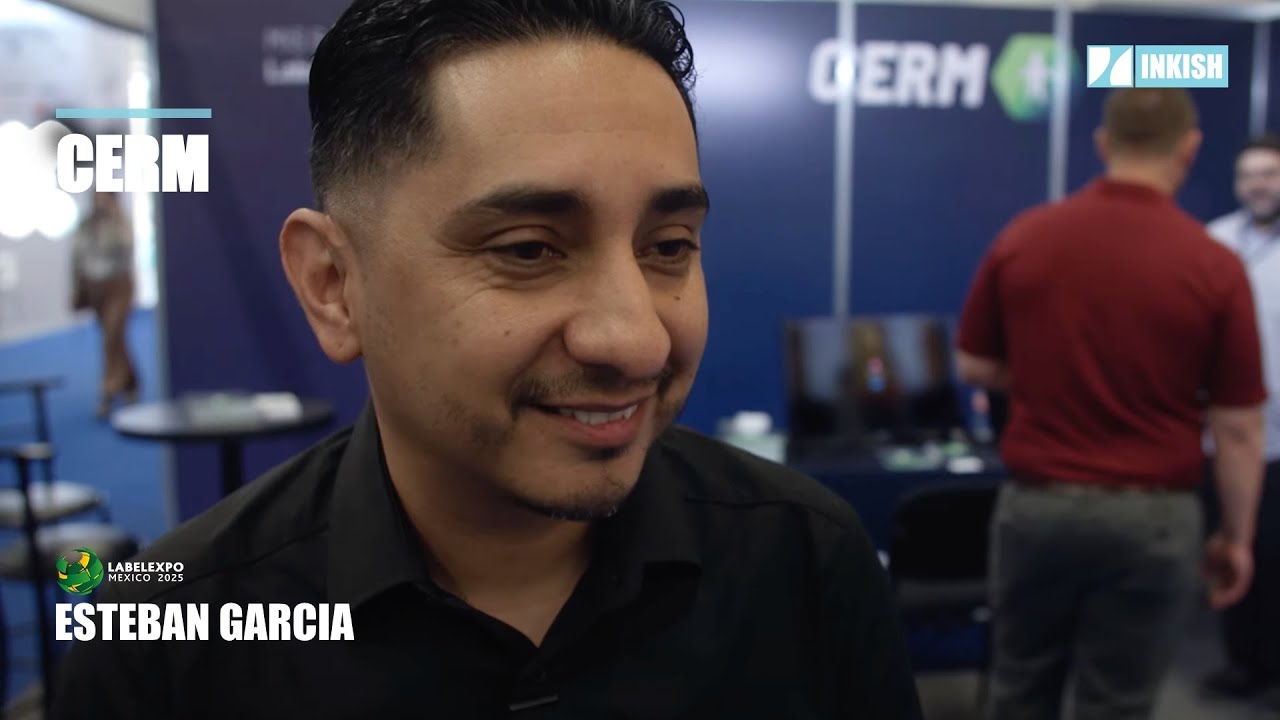
Esteban Garcia · Business Development Manager · CERM
Language Spanish - Subtitles Spanish/English At LabelExpo Mexico, Esteban García represented CERM as their Business Development Manager for the United States, Mexico, South America, and Latin America. With his deep understanding of the industry, García shared CERM’s focused vision and the value their specialized software brings to companies in the label and packaging sector. CERM, a Belgian company with over 30 years of experience, develops software tailored specifically for businesses in labeling, flexible packaging, and corrugated cardboard. García emphasized that CERM deliberately concentrates on this niche, believing that actual value lies in specialization. “This is what we do,” he noted, underscoring the importance of doing one thing exceptionally well rather than spreading resources too thin. During the event, García highlighted the challenges many companies in the sector face—particularly labor shortages and competition from larger, more modern operations. In response, CERM’s software is designed to streamline workflows, reduce unnecessary steps, and capture key production data accurately. This efficiency empowers companies to remain competitive without overhauling their equipment or expanding their workforce. One of the CERM system's most compelling features is its ability to deliver real-time quotes in minutes—a critical need in today’s fast-paced business environment. García explained how CERM eliminates redundant data entry across the production process, allowing information to flow seamlessly from quoting to invoicing, including inventory and warehouse management. The result is a fully integrated solution that supports operational excellence. CERM is making its debut at LabelExpo Mexico after attending the event as a visitor. Pleased with the experience, the team returned to showcase their platform to companies that may not have had the opportunity to attend LabelExpo in Brussels or Chicago. The goal is to introduce more Latin American businesses to CERM’s capabilities through live demos and direct interaction. When asked about the company’s performance in the Mexican market, García reported positive momentum, noting strong client relationships in Mexico and South America. He expressed enthusiasm about the future, sharing that CERM’s regional team has already tripled in size during his five-year tenure and continues to expand rapidly. Looking ahead to 2025, García remains optimistic. “We are growing fast and doing very well,” he said, reinforcing CERM’s commitment to innovation and industry collaboration. As the conversation concluded, García invited all attendees at LabelExpo Mexico to visit the CERM stand. “We’re excited to meet more people from the industry and build new partnerships,” he added. Interviewer: Nayelli González Menéndez · Revista El Impresor

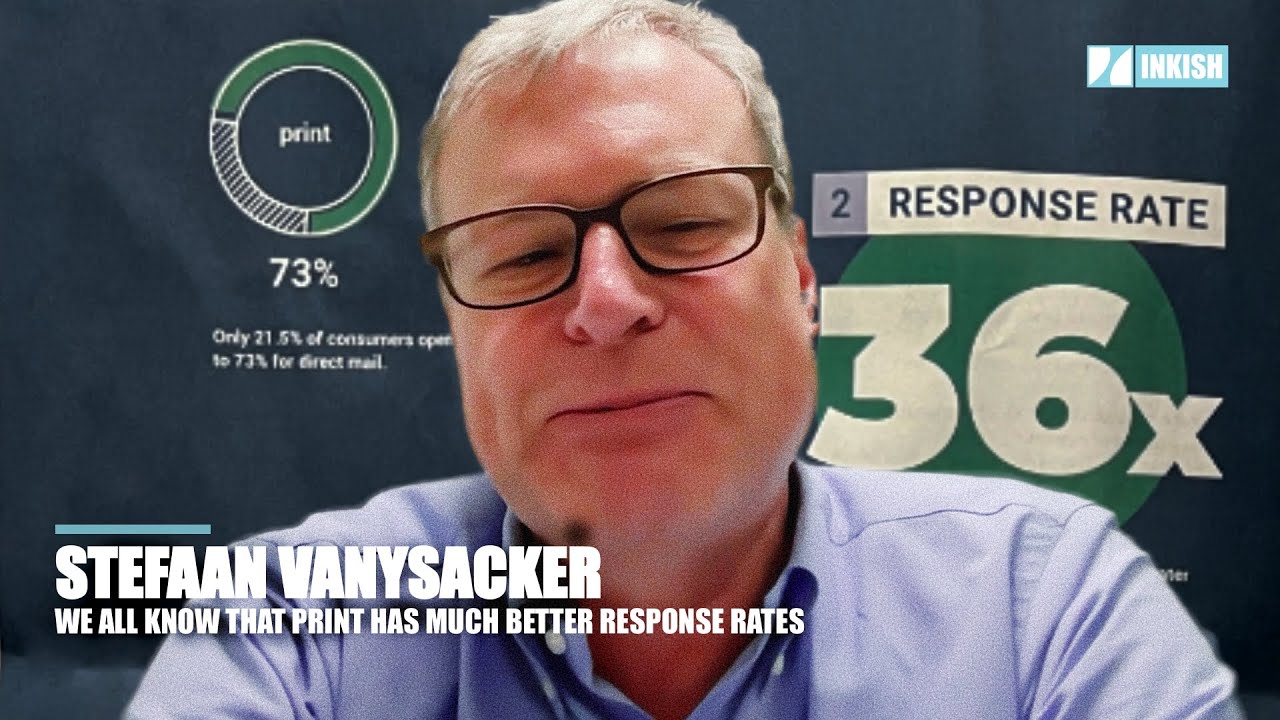
Stefaan Vanysacker We All Know that Print has much better Response Rates · Genscom
Discover how Genscom blends traditional print with cutting-edge AI to create personalized communication solutions. Stefaan Vanysacker shares the company’s innovative approach, empowering anyone to design newspapers and magazines. From AI-generated content to streamlined layouts, Genscom transforms ideas into tangible, impactful media. Hosted by Morten B. Reitoft, this insightful conversation dives into technology, challenges, and the enduring value of print in a digital world.