






























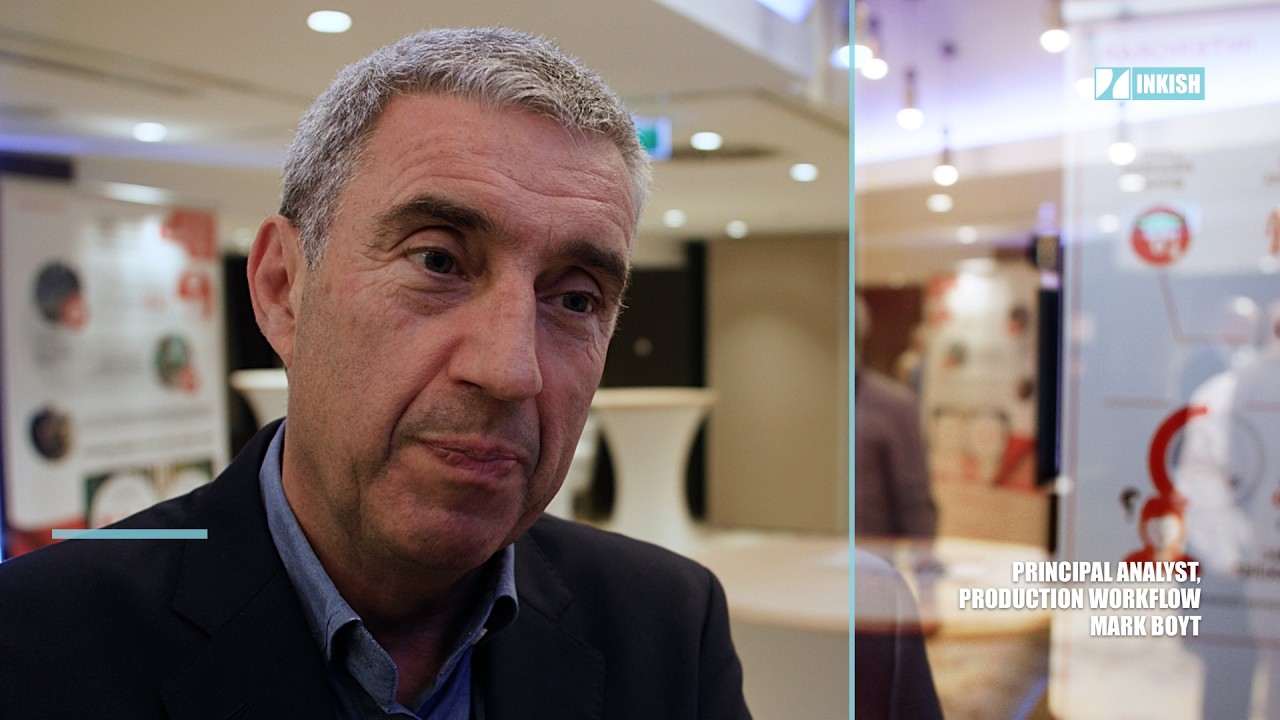
Mark Boyt Principal Analyst, Production Workflow · Keypoint Intelligence · Print Matters 2026
At Intergraf Print Matters in Budapest, Morten Reitoft speaks with Mark Boyt, Principal Analyst at Keypoint Intelligence, following his presentation on robotics and automation in the printing industry. As labor shortages, rising costs, and increasing production demands continue to challenge print service providers, robotics is emerging as one of the industry’s most discussed technologies.
The conversation explores the practical realities behind industrial robotics, humanoid robots, and automation on the production floor. Mark explains that while humanoid robots attract significant attention, many of the real challenges still come down to fundamental issues such as gripping, handling, and moving printed materials efficiently. Whether the future belongs to robotic arms, mobile robots, humanoids, or a combination of technologies, the goal remains the same: helping printers maintain productivity in an environment where skilled labor is becoming increasingly difficult to find.
Morten and Mark also discuss one of the industry’s most important questions: who ultimately benefits from productivity gains? Historically, much of the value created by automation has been passed on to customers in the form of lower prices. As robotics becomes more widespread, printers will face decisions about whether productivity improvements should strengthen profitability, offset labor shortages, or support continued price competitiveness.
The discussion examines how robotics is already being implemented in print production environments, including examples of companies developing their own robotic integrations rather than relying solely on equipment manufacturers. Mark shares insights into the growing ecosystem of robot suppliers, system integrators, and print technology vendors that are shaping the next generation of automated production.
Another important theme is accessibility. While robotics has traditionally been viewed as a major capital investment, new business models such as Robotics-as-a-Service could make automation available to smaller printing companies that previously lacked the resources to invest. This shift may help democratize access to automation across the industry and enable businesses of all sizes to benefit from robotic technologies.
The interview concludes with a broader discussion about the future of robotics in print, the role of AI, and how industry adoption may accelerate as solutions become more standardized, affordable, and easier to deploy. A fascinating conversation about technology, productivity, workforce challenges, and the next wave of automation transforming the printing industry.


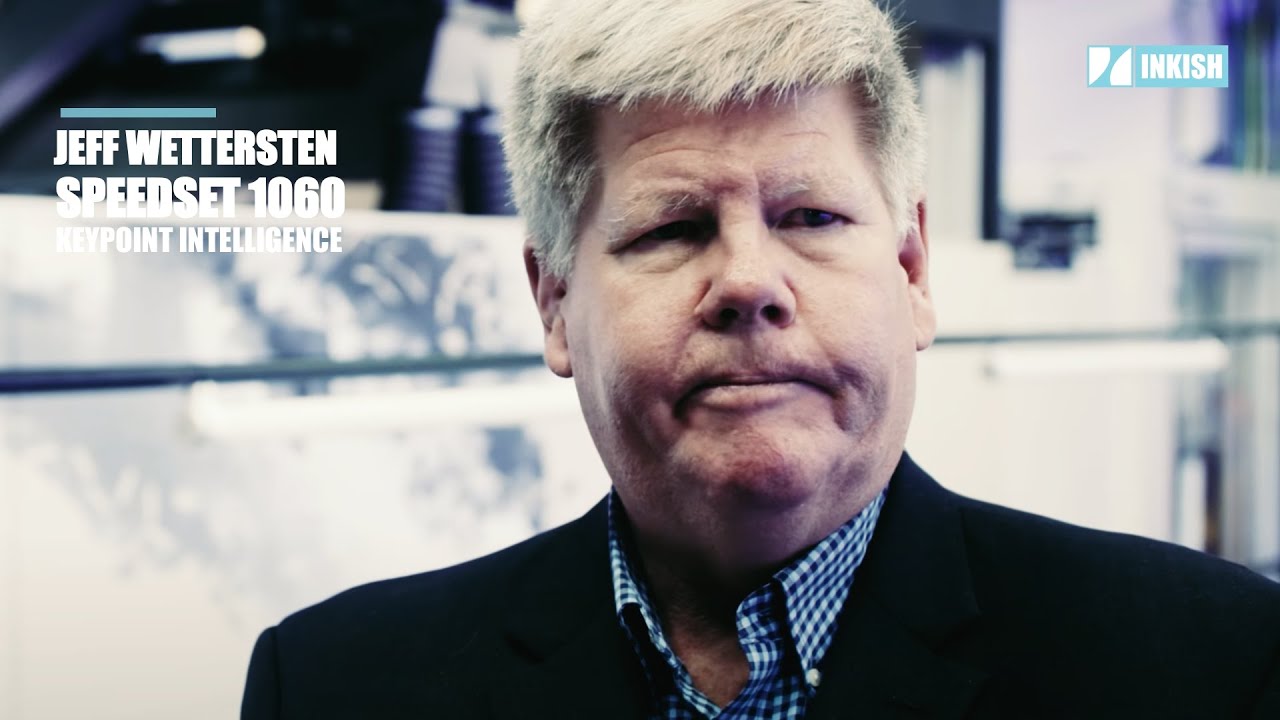
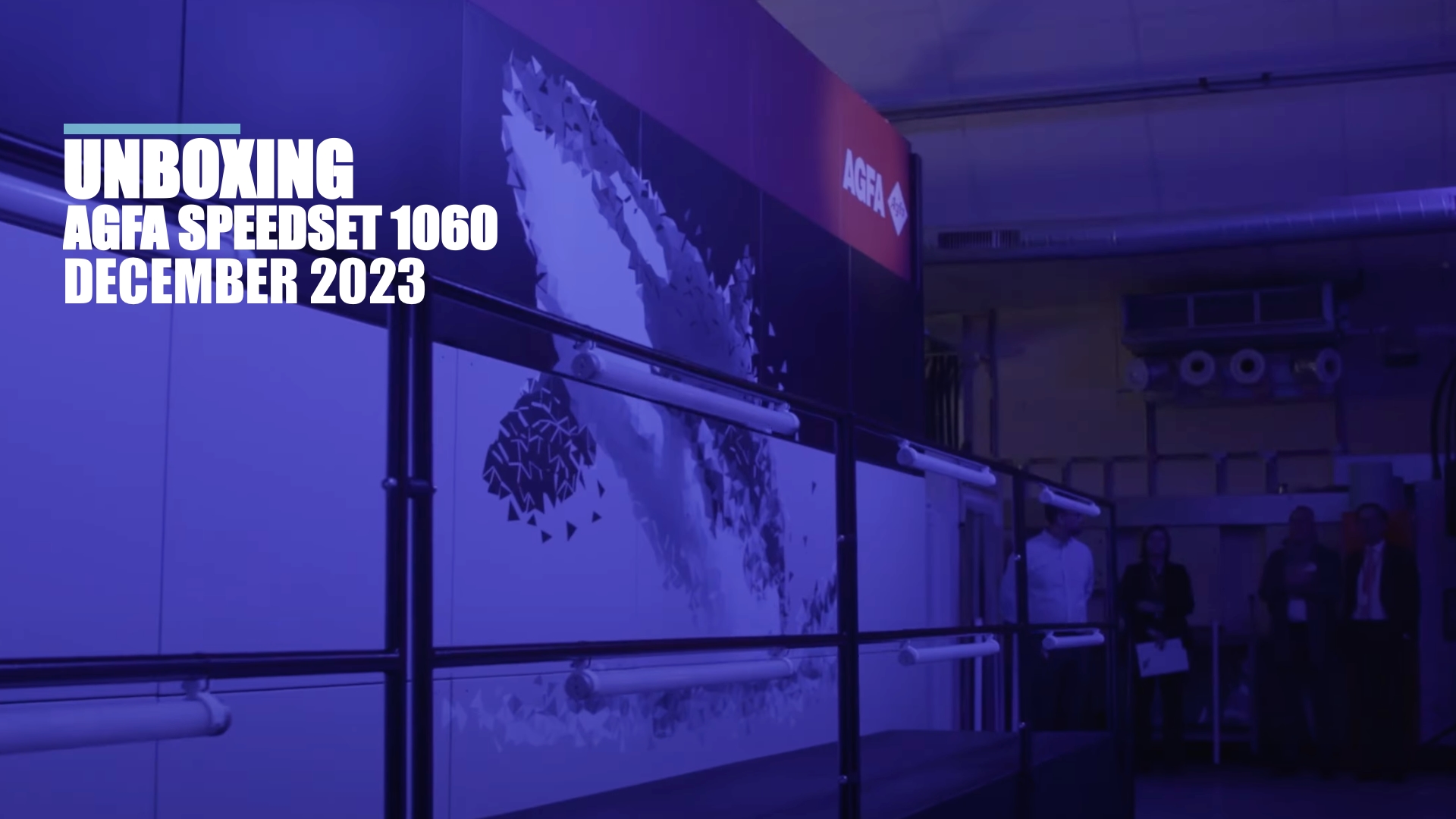
Unboxing AGFA SpeedSet 1060 Jeff Wettersten Keypoint Intelligence
Jeff Wettersten works as an analyst with Keypoint Intelligence and gave his analysis on the packaging market - and was very direct that the AGFA SpeedSet 1060 is nothing but a gamechanger about the market needs now, but even more important in the future - Speed, Quality, and no need for changeovers are important KPI's of the new machine - Editor Morten B. Reitoft got a chance to talk to him after his presentation!
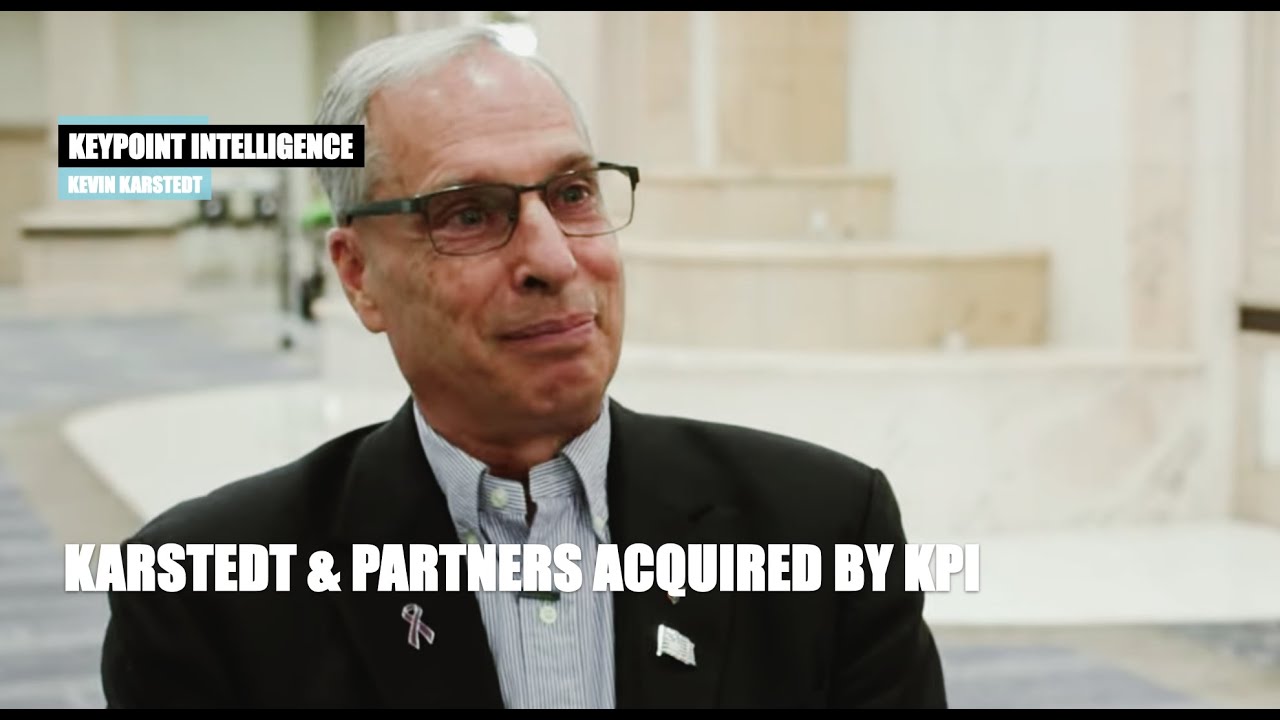
Karstedt & Partners acquired by Keypoint Intelligence · Kevin Karstedt CEO
At the LabelExpo-Americas show, we got the chance to talk to CEO Kevin Karstedt from Karstedt & Partners, who today, Tuesday, September 20th, announced the company's acquisition by Keypoint Intelligence. Kevin Karstedt is well-known for the company's 20+ years of experience in packaging, and with his experience, he and his partner Jeff will be leading the packaging division at KPI. Super cool to meet Kevin Karstedt, and I am sure you will like the interview.
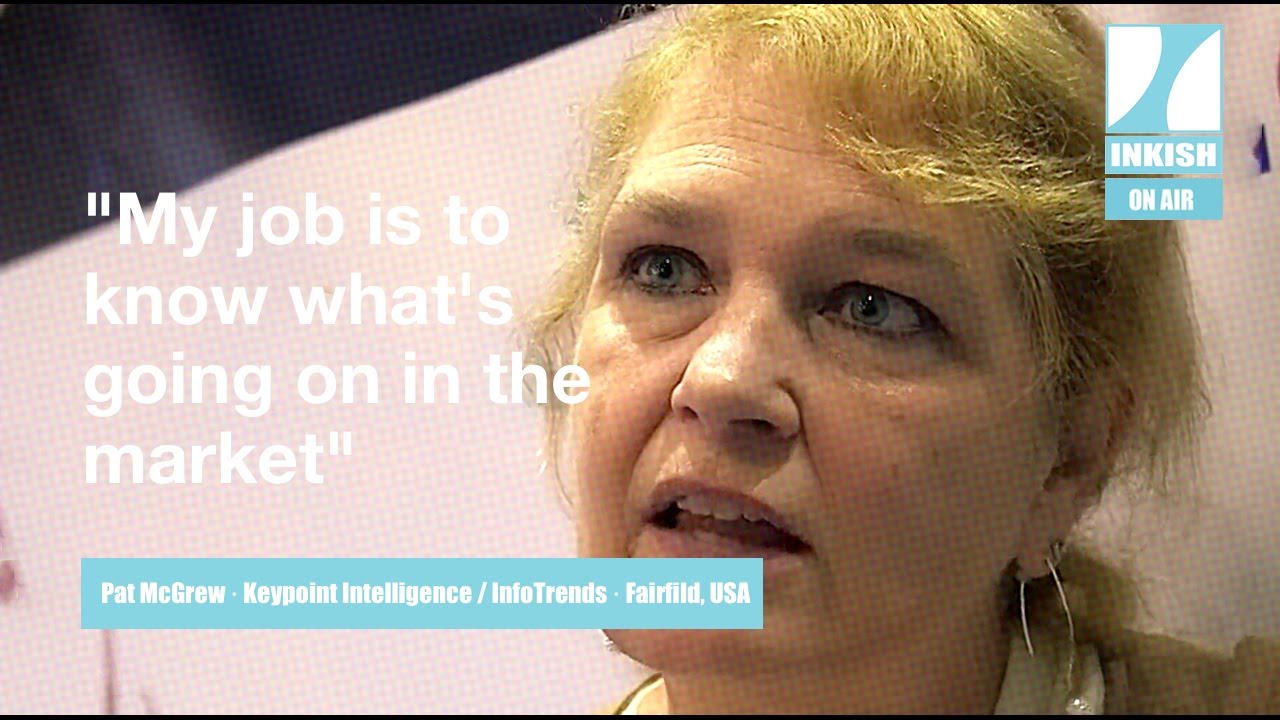

Contact
Keypoint Intelligence
07004 Fairfield
Alabama
USA
Email : articles@keypointintelligence.com

Wed October 7th
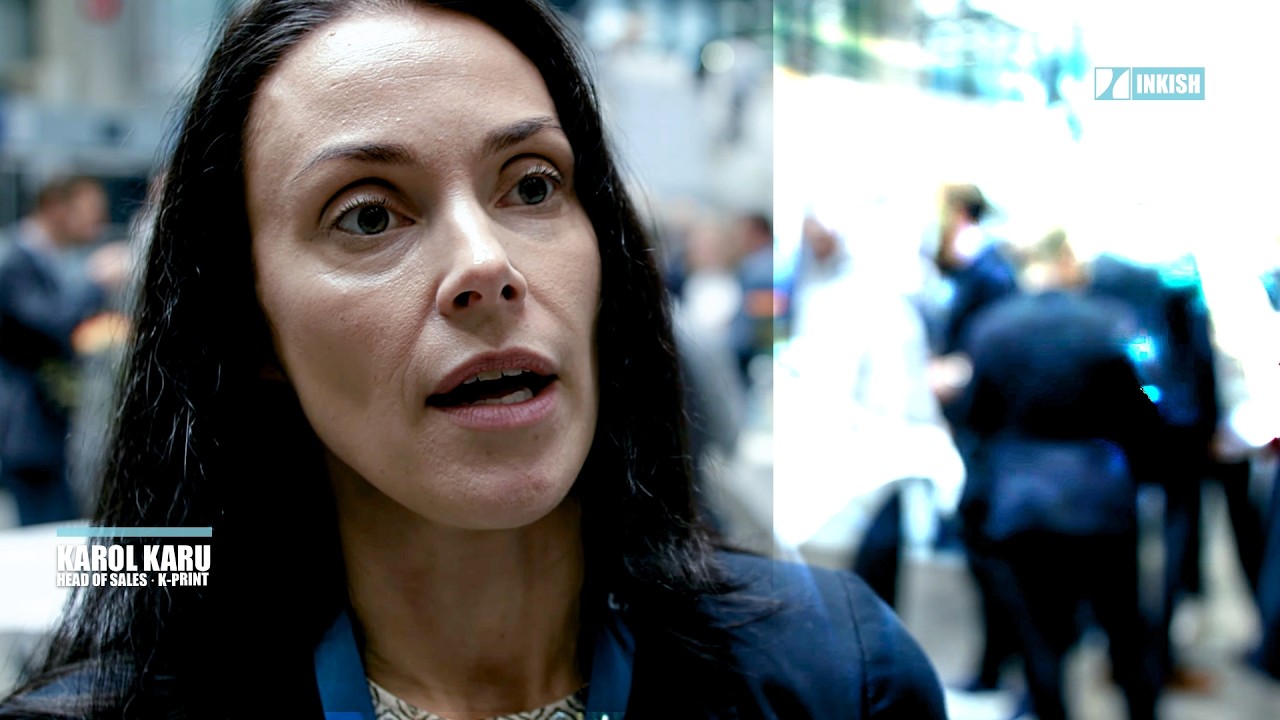
Karol Karu · Head of Sales · K-Print · Sh...
Karol Karu is the Head of Sales for Estonian printing company K-Print. In this interview, she talks about how the Nordia/Baltic consolidation is a huge advantage for them. She also surprises your humble editor by saying that they experience larger print runs on average and therefore, of course, keep an eye on digital, but they are not really afraid of the competition here. Super interesting!