





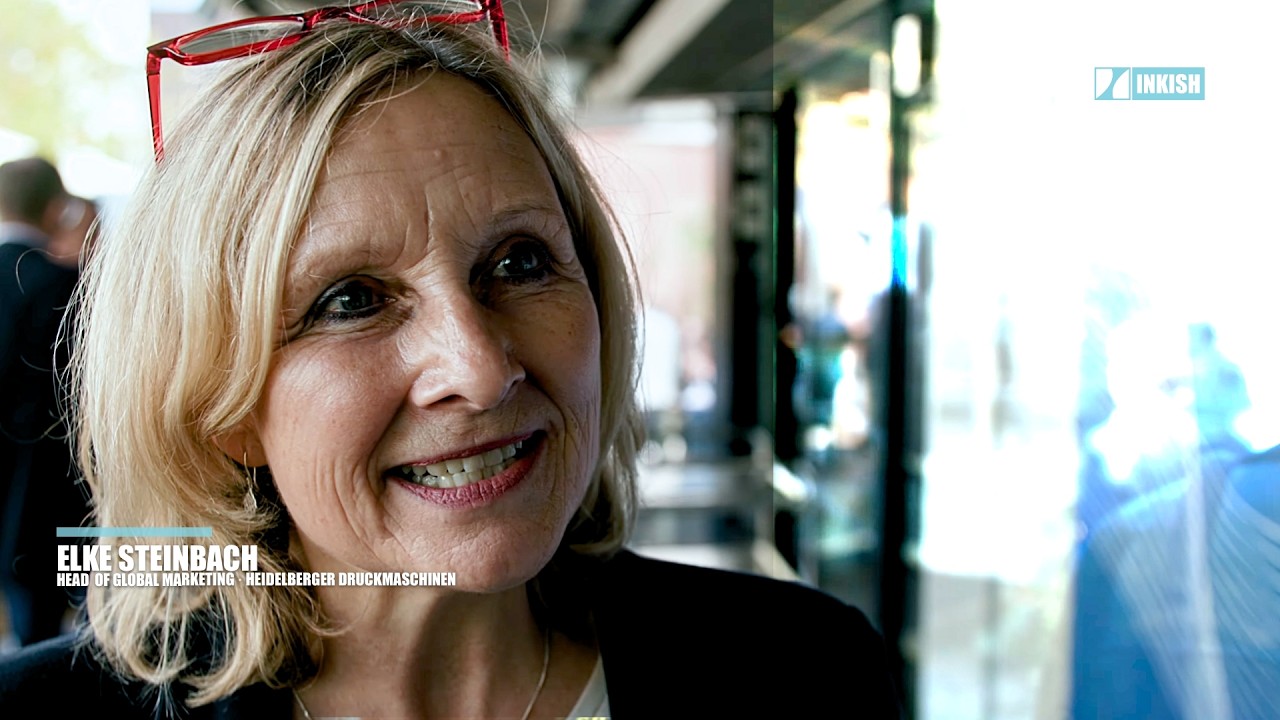
Elke Steinbach · Head of Global Marketing · Heidelberger Druckmaschinen · Shift
Events like HEIDELBERG SHIFT do not happen by accident. They require months of planning, conversations with customers, and a clear idea of what the event should actually achieve.
At SHIFT in Heidelberg, we talk with Elke Steinbach from HEIDELBERG about how the concept developed and why the event has grown from around 200 participants last year to more than 300 this year. From the beginning, the ambition was to create something different from a traditional technology event. HEIDELBERG already organizes many events where products, solutions, and new developments naturally take center stage, but SHIFT was designed to leave more room for discussion, networking, and learning from others’ experiences.
That is also why customers play such an important role on stage. Hearing directly from people who are working with technology, workflows, automation, and transformation every day can often be more valuable than another corporate presentation. For HEIDELBERG, it also creates an opportunity to listen. Marketing, development, management, and sales may all have different perspectives, but being in the same room with customers creates a much more direct understanding of the challenges companies are actually facing.
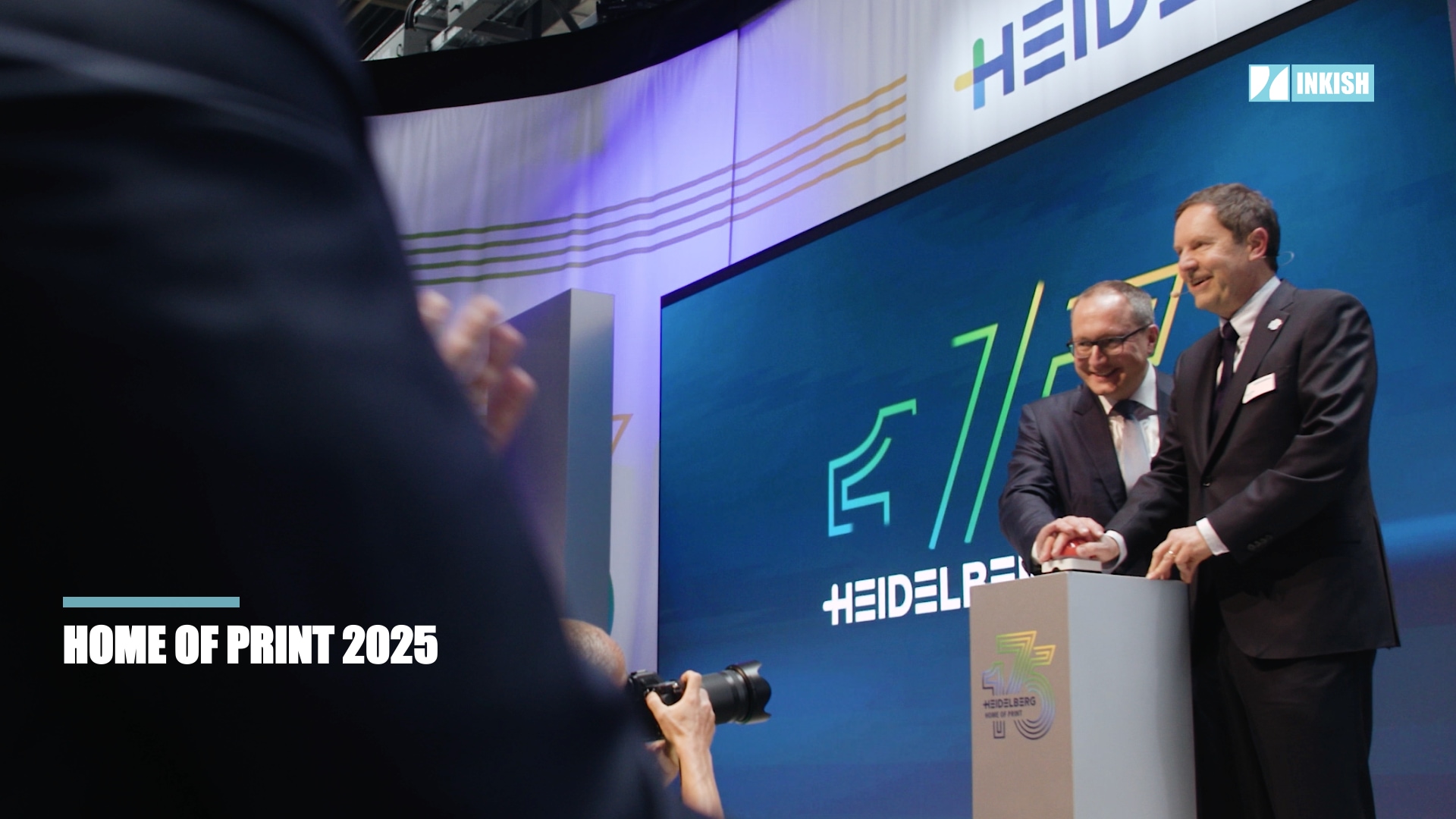
We also talk about the atmosphere around HEIDELBERG today. Following the company’s 175th anniversary and the arrival of a new management team, there is a clear sense of renewal. Elke describes it not so much as changing HEIDELBERG, but as evolving the company and making better use of its capabilities.
That evolution can also be seen in HEIDELBERG’s increasingly open approach to partnerships. Becoming a system integrator and delivering true end-to-end solutions cannot always be achieved alone. Collaborations with other technology providers are therefore becoming an increasingly important part of the strategy, with the focus moving toward what customers actually need rather than keeping everything within one closed ecosystem.
SHIFT reflects that philosophy very well. It is about presenting ideas, but just as importantly, it is about listening, connecting people, and creating an environment where customers can openly share what works, what does not, and what they need next.


No Data Found.
Content for this section will appear here once available
Tue October 6th
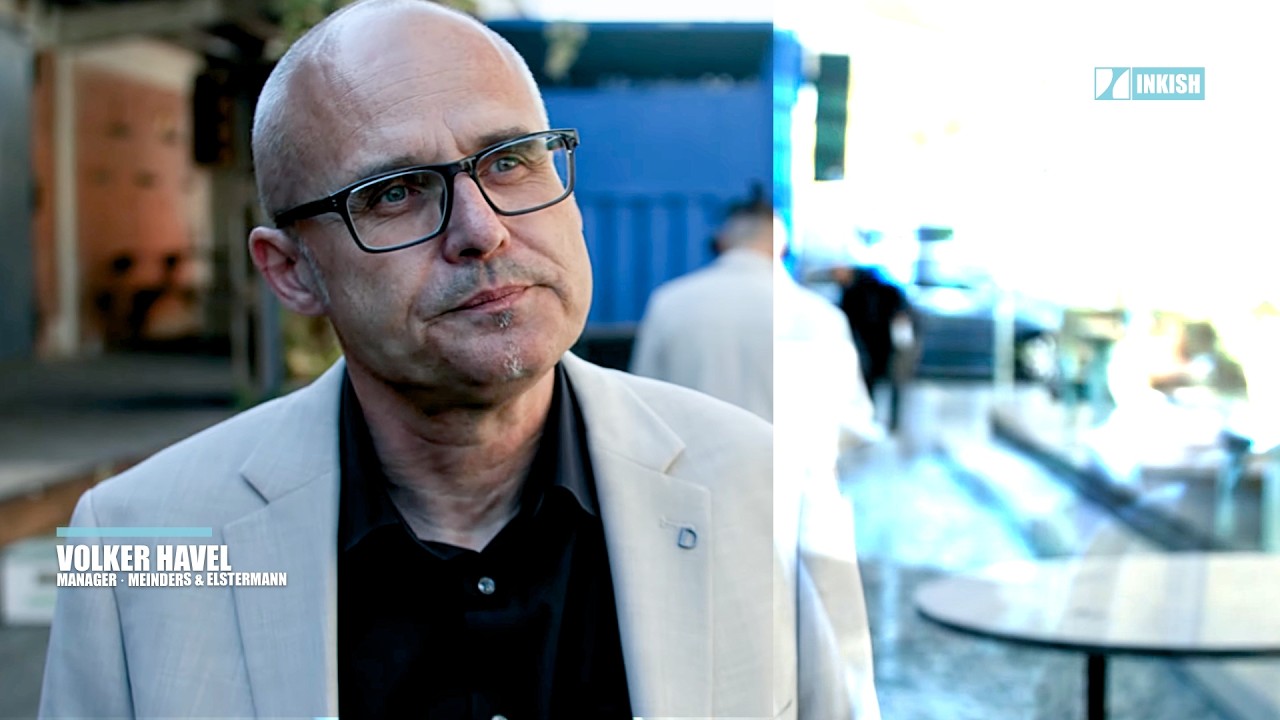
Volker Havel · Manager · Meinders & Elster...
At SHIFT in Heidelberg, Morten B. Reitoft meets Volker from Meinders & Elstermann to talk about technology, automation, and why being among the first to adopt new solutions can create a real competitive advantage. Meinders & Elstermann already operates digital printing technologies from HP and Canon, and has now added the Heidelberg Jetfire to its production setup. But the conversation quickly moves beyond hardware and into one of the most important challenges facing modern printing companies: how to manage an increasingly complex production environment with smaller jobs, faster turnaround times, and more equipment to coordinate. Volker explains why Prinect Touch Free has become an important part of the company’s production strategy. By automating more decisions and allowing jobs to move between different production technologies even late in the process, the system helps reduce manual workload while increasing productivity. The interview also touches on the challenges of introducing new software, the importance of analyzing new technology before implementation, and why working closely with suppliers such as Heidelberg through field testing can help shape better solutions. And with AI becoming an increasingly important topic across the industry, Volker also shares what he hopes to gain from SHIFT — combining the discussions and presentations with the practical technology demonstrated at Heidelberg’s Home of Print.