




















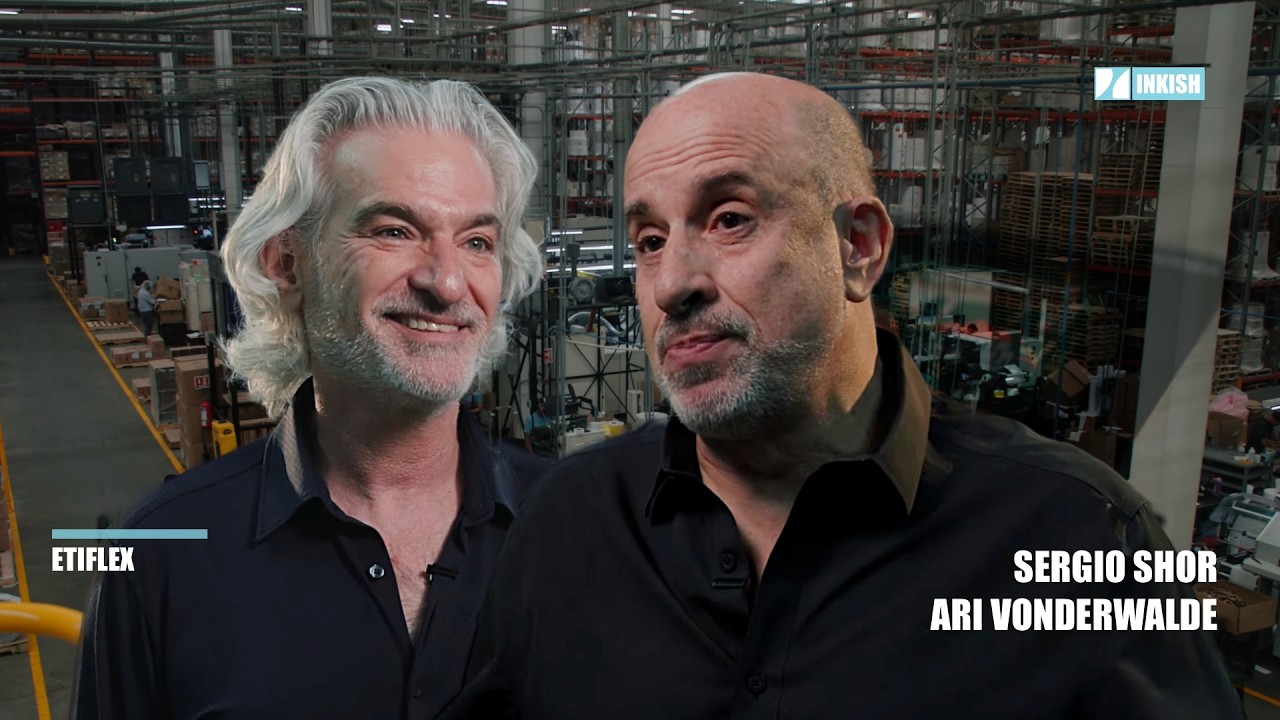
From many systems to one CERM · Sergio Shor & Ari Wondervalde · Etiflex
From just 15 people working in a garage to one of Mexico’s significant label and printing operations, the ETIFLEX story is about growth, people, relationships—and the importance of knowing exactly what is happening on the production floor.
Today, ETIFLEX operates 23 production lines, including 20 flexographic presses and three digital presses. The company produces labels, tickets, tags, promotional products, and RFID solutions for customers across retail, logistics, food, chemicals, health and beauty, textiles, transportation, and entertainment.
Mexico offers significant opportunities. With a population of around 130 million people, a strong manufacturing base, and direct access to the United States, the country has become an increasingly important export market. But competitiveness is no longer simply about offering the lowest price. It is about productivity, innovation, quality, service, and the ability to create long-term relationships with customers and suppliers.
Measurement has therefore become part of the culture at ETIFLEX. The philosophy is simple: What you do not measure, you cannot fix or improve.
Before implementing CERM, ETIFLEX used five or six separate systems for estimating, production control, warehouse management, purchasing, accounting, and finance. The information existed, but the systems did not communicate effectively with each other.
Introducing CERM was a major strategic decision. Changing an MIS or ERP platform requires investment, leadership, time, and commitment throughout the organization. However, continued growth demanded a single integrated system capable of connecting the company’s operational areas and providing reliable, real-time information.
With better data, the ETIFLEX team can understand the true cost of every job, identify products that may be subsidizing others, reduce waste, improve printing speeds, shorten setup times, and make better decisions about equipment and capital investments.
Perhaps most importantly, the data is no longer reserved for management. Employees throughout ETIFLEX can analyze their own processes, identify opportunities, and suggest improvements. With hundreds of people observing production through the same system, operational knowledge becomes a shared resource.
The next chapter will include even more automation, robotics, integration, and information. Technology will play an increasingly important role—but people, culture, and the ability to make informed decisions will remain at the heart of ETIFLEX.
Watch the film and meet a Mexican printing company that has transformed measurement from a management tool into part of its DNA.



No Data Found.
Content for this section will appear here once available
Contact
Etiflex, S.A. De C.V.
54090 Tlalnepantla de Baz
Mexico
Email : info@promachbuilt.com

Thu February 19th
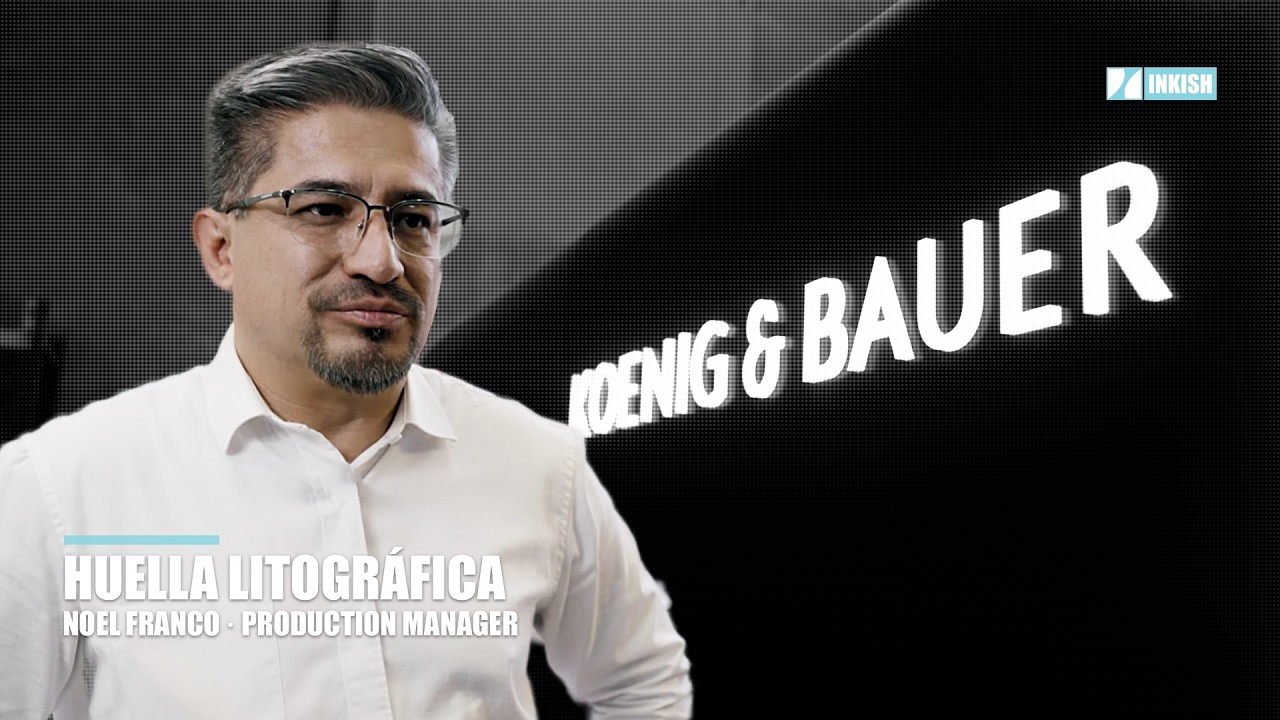
Noel Franco · Production Manager · Huella...
This was our first filming in Mexico, so you are always wondering what to expect, and one of the things you realize in Mexico City is the lack of large corporate signs. You also encounter many closed gates, and it's only when they open that you get your first insight into the printing company you are about to visit. When you enter the gate at Huella Litográfica, the first thing that meets you after registration is a massive paper warehouse - so after passing through this, you quickly realize that Huella Litográfica is a Labels and Packaging company. They have flexo presses for their lables a couple of Koenig & Bauer presses, and a die cutter for folding carton, and then a lot of technology that is tailored to the products Huella Litográfica produces. As Production Manager Noel Franco explains, they are busy. Great company, things VERY much under control, and always great to see well functioning companies with a strong belief in the future - so much, that the company is planning further investments in Koenig & Bauer products :-)