






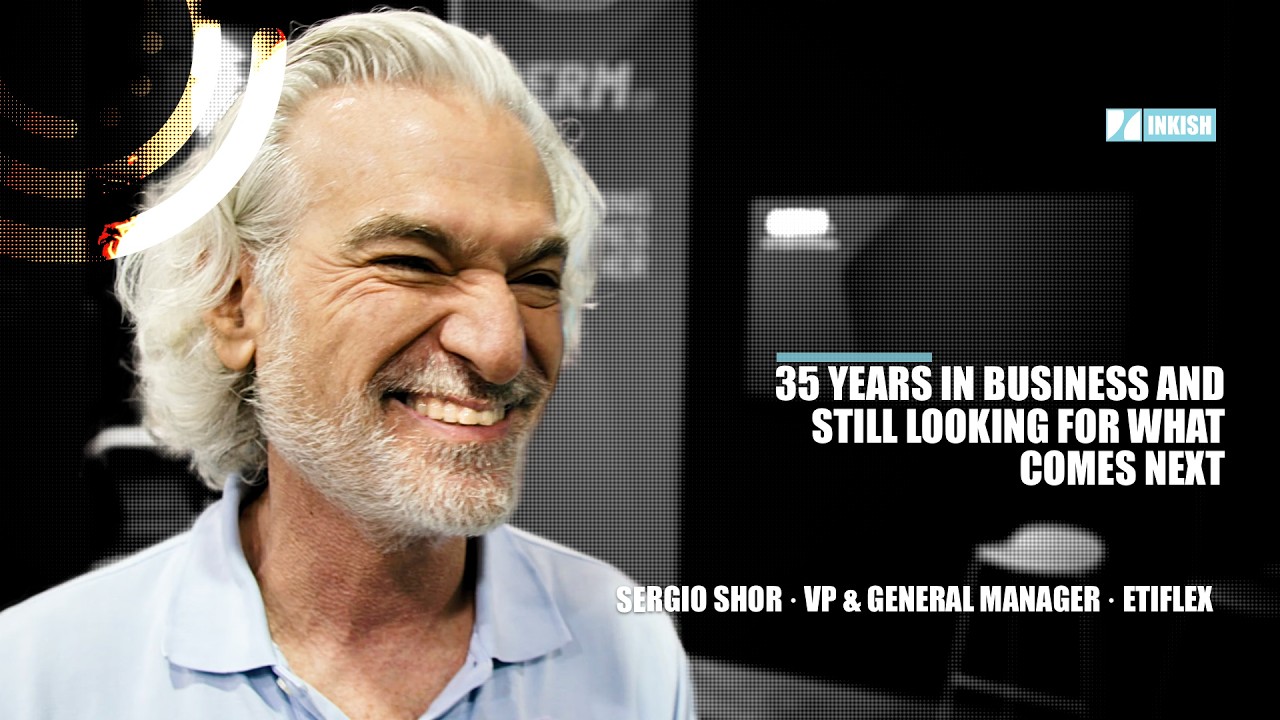
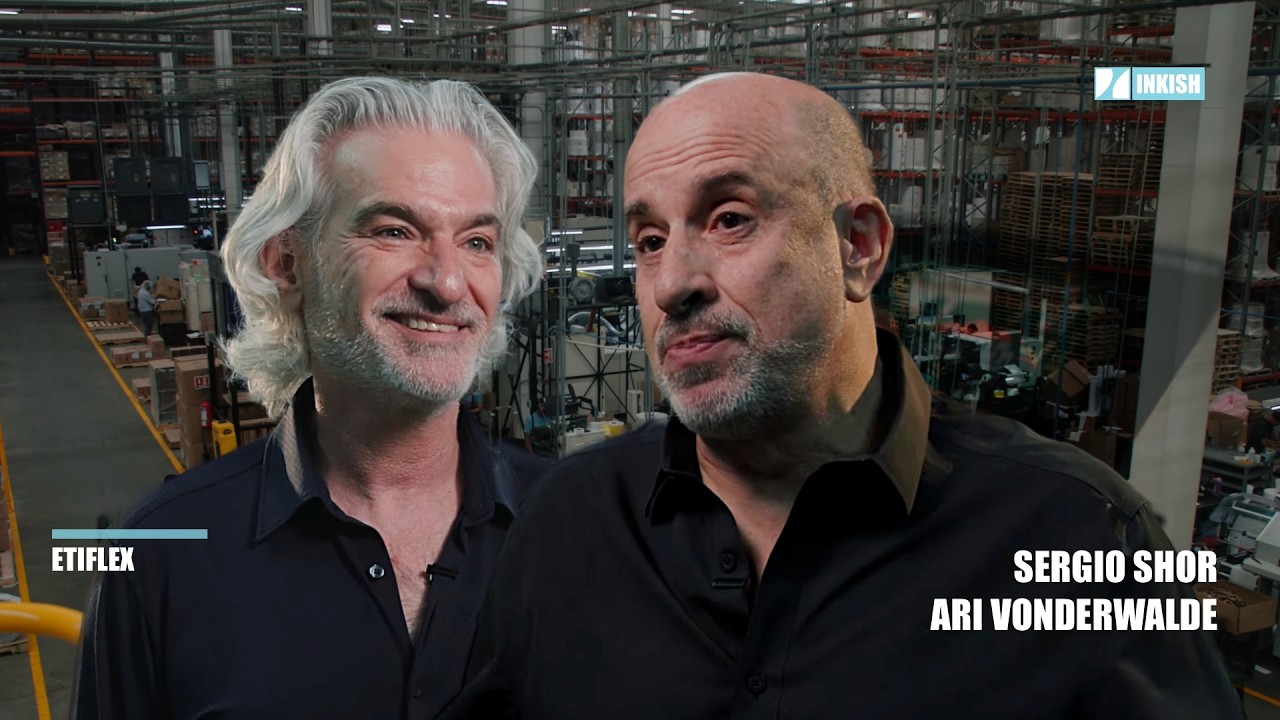
35 Years In — And Still Looking for What Comes Next · Sergio Shor · VP & General Manager · Etiflex
Thirty-five years in business can give you a lot of experience.
But it can also teach you that you never stop learning.
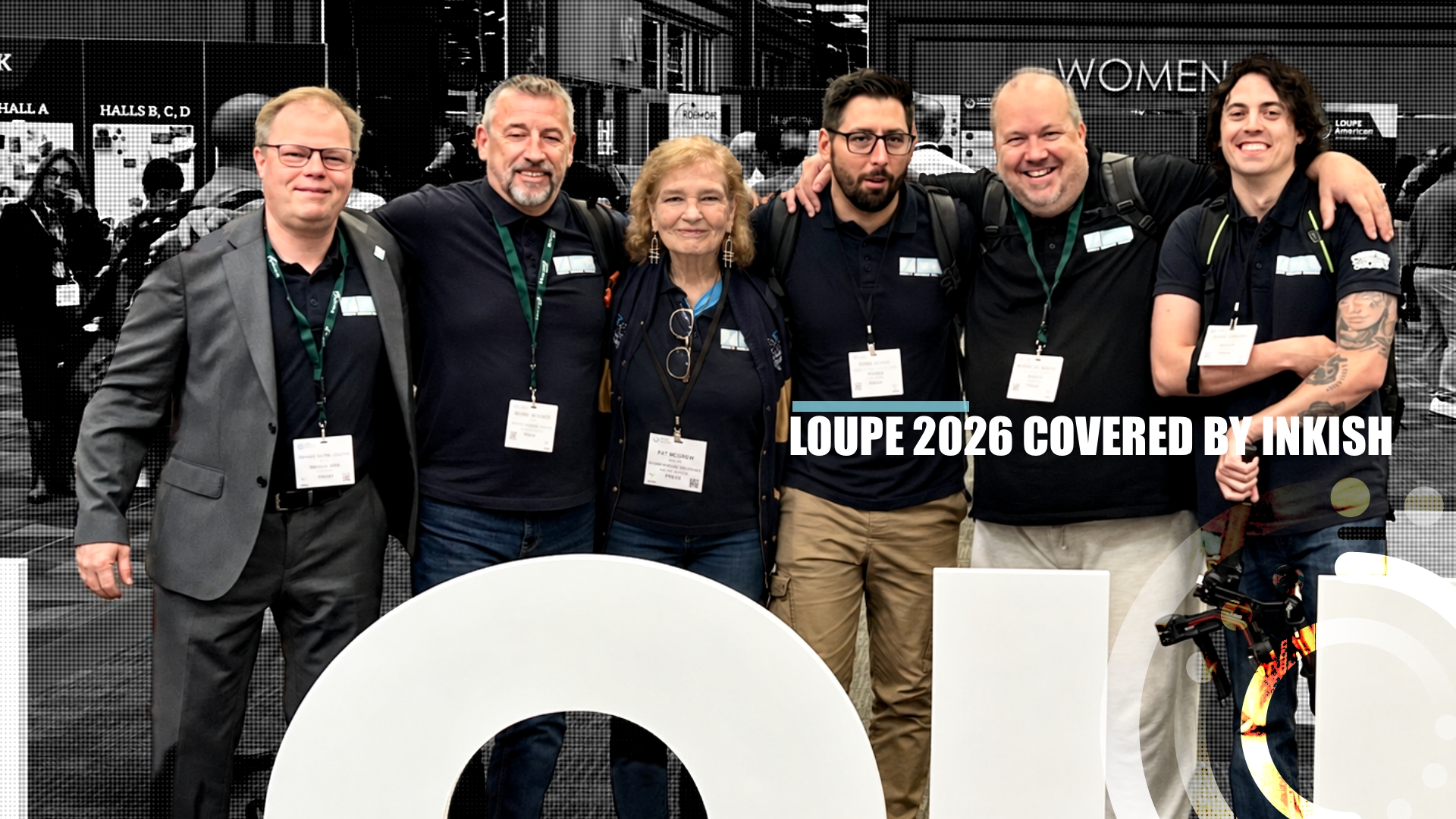
On the third and final day of LOUPE Americas in Chicago, Morten B. Reitoft catches up with Sergio, whom INKISH recently visited in Mexico.
The company has spent more than three decades building its position in the Mexican label market through investment, people, customer relationships, and a strong belief in the future of the industry.
And now another investment cycle is beginning.
Some of the existing flexo presses are more than 20 years old, which means Sergio and his team are actively looking at what should replace them — and the answer isn’t necessarily one technology.
Flexo still matters.
Digital is performing well.
Hybrid opens additional possibilities.
And RFID is becoming increasingly interesting as demand grows in Mexico.
For Sergio, having access to different technologies is essential because the customer base itself is diverse. Small, medium, and large customers have different run lengths, applications, quality requirements, and economics — so there isn’t one production platform that solves everything.
LOUPE therefore becomes an opportunity not simply to shop for machinery, but to understand where technology is moving.
And that is becoming more challenging.
After 30 years in the industry, Sergio knows many of the questions to ask. But AI, automation, and increasingly rapid technological development mean experience alone isn’t enough. You still have to listen, remain curious, and continue learning.
That philosophy also applies to software.
The company continues its journey with CERM, introducing new functionality as the platform develops. Some improvements arrive as part of regular updates, while other modules create opportunities for further investment and implementation — including increasingly AI-driven functionality.
But perhaps the strongest part of the conversation isn’t about machines or software at all.
It’s about relationships.
Sergio describes many of the people he works with not simply as suppliers, but as friends — relationships built through years of projects, visits, conversations, and shared experiences.
In this INKISH film, Morten talks with Sergio about 35 years in the label industry, replacing older flexo equipment, digital and hybrid production, RFID, AI, CERM, continuous learning, and why long-term success is built as much around people and trust as it is around technology.
Because after 35 years, experience doesn’t mean you know everything.
It means you know that you should keep looking for what comes next.


No Data Found.
Content for this section will appear here once available
Contact
Etiflex, S.A. De C.V.
54090 Tlalnepantla de Baz
Mexico
Email : info@promachbuilt.com

Wed October 7th
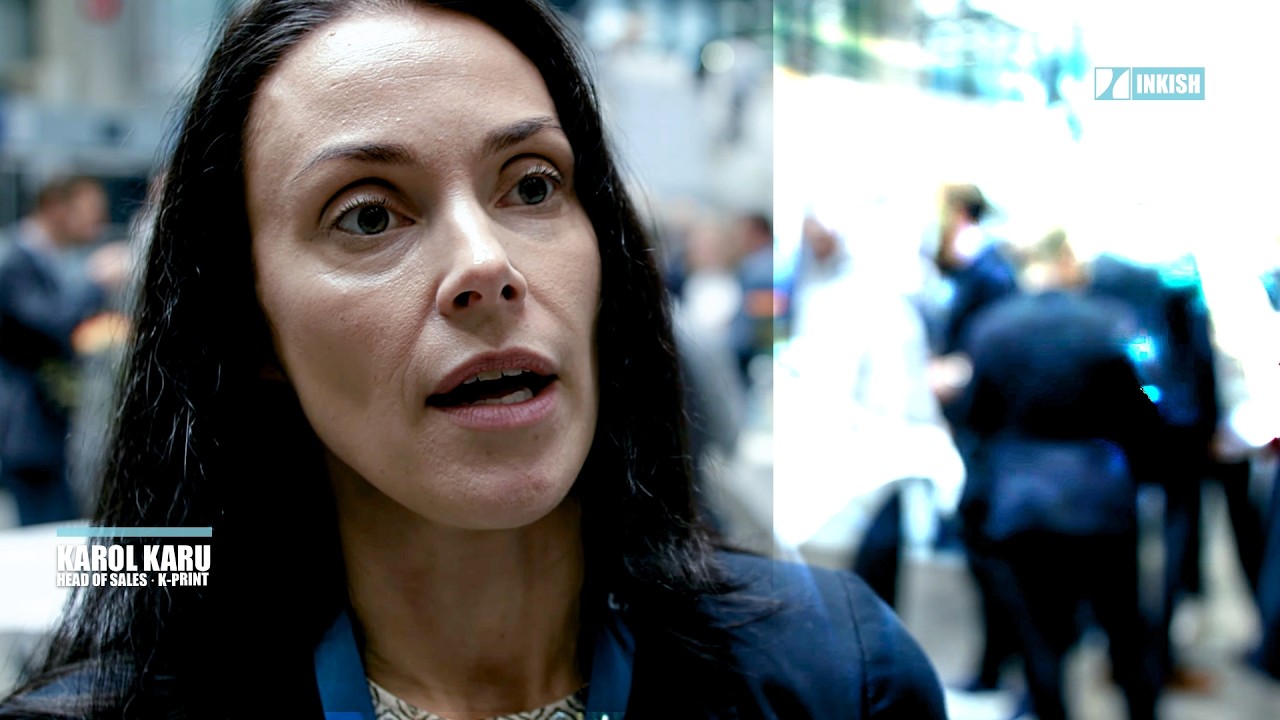
Karol Karu · Head of Sales · K-Print · Sh...
Karol Karu is the Head of Sales for Estonian printing company K-Print. In this interview, she talks about how the Nordia/Baltic consolidation is a huge advantage for them. She also surprises your humble editor by saying that they experience larger print runs on average and therefore, of course, keep an eye on digital, but they are not really afraid of the competition here. Super interesting!