
























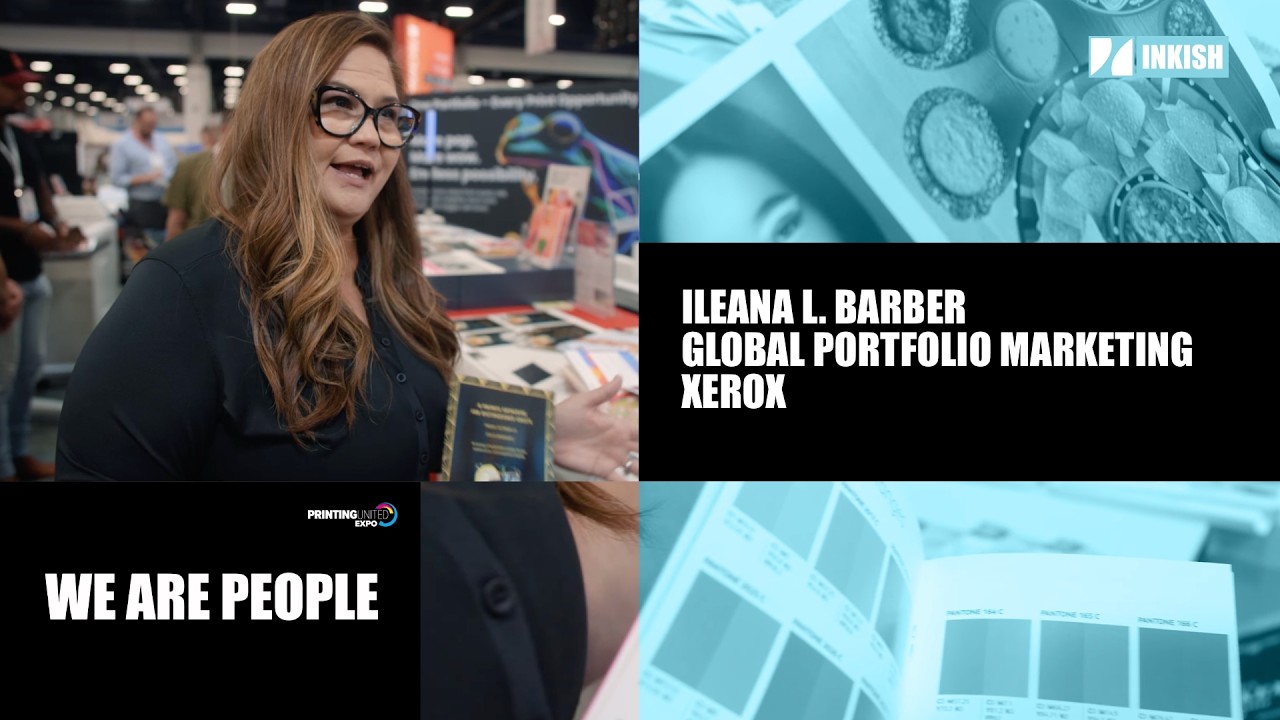
Ileana L Barber · Global Portfolio Marketing · Xerox
English text below the Spanish:
En PRINTING United 2026, en Las Vegas, conversamos con Ileana Barber, de Xerox, para conocer cómo la compañía está ampliando las posibilidades de colores especiales en su portafolio de producción Proficio.
Las Proficio PX300 y PX500 fueron presentadas el año pasado, llevando la calidad de imagen de Xerox y las capacidades Beyond CMYK al segmento de producción media. Para 2026, Xerox amplía estas posibilidades con nuevos colores especiales, como oro, plata y blanco, lo que permite lograr efectos metálicos, aplicaciones premium e impresión sobre materiales oscuros o transparentes.
El rosa fluorescente ya permite ampliar la gama de colores y reproducir con mayor precisión los tonos difíciles. Al agregar Oro, Plata, Blanco y Transparente, los impresores pueden crear aplicaciones que tradicionalmente requerían procesos adicionales, pero ahora dentro de un entorno digital y rentable incluso para tirajes cortos.
Una de las grandes novedades de PRINTING United es la nueva Xerox Proficio PX700 FLX.
Esta prensa de producción de seis colores alcanza hasta 120 páginas por minuto e incorpora el nuevo verde fluorescente. Combinado con rosa fluorescente, amplía considerablemente la gama disponible y mejora la reproducción de colores brillantes inspirados en RGB, cada vez más utilizados por diseñadores.
Para Ileana, la historia consiste en ofrecer mayor flexibilidad en distintos niveles de producción.
Desde las PX300 y PX500 hasta la nueva PX700 FLX, Xerox continúa ampliando las posibilidades de Beyond CMYK, combinando color especial, automatización y productividad.
Más colores.
Más aplicaciones.
Más oportunidades para agregar valor más allá de CMYK.
Mira la conversación con Ileana Barber de Xerox en PRINTING United 2026 en Las Vegas.
—
English:
At PRINTING United 2026 in Las Vegas, we met with Ileana Barber from Xerox to discuss how the company is expanding specialty color across its Proficio production portfolio.
The Proficio PX300 and PX500 were introduced last year, bringing Xerox image quality and Beyond CMYK capabilities into the mid-production segment. For 2026, Xerox is expanding those opportunities with new specialty colors, including Gold, Silver, and White, giving printers more ways to produce metallic effects, premium applications, and work on dark or transparent media.
Fluorescent Pink already helps extend the achievable color gamut and reproduce difficult colors more accurately. Add Gold, Silver, White and Clear, and printers can create applications that traditionally required additional processes or equipment — but now within a digital, short-run production environment.
The bigger news at PRINTING United is the new Xerox Proficio PX700 FLX.
The six-color production press runs at up to 120 pages per minute and introduces Fluorescent Green. Combined with Fluorescent Pink, the new toner significantly expands the available gamut and improves the reproduction of bright RGB-inspired colors that designers increasingly use in digital artwork.
For Ileana, the story is about giving printers more flexibility across different production levels.
From mid-production with the PX300 and PX500 to the higher-volume PX700 FLX, Xerox is expanding Beyond CMYK capabilities while keeping automation, productivity and application development at the center.
More colors.
More applications.
And more opportunities to add value beyond conventional CMYK.
Watch the conversation with Ileana Barber from Xerox at PRINTING United 2026 in Las Vegas.



No Data Found.
Content for this section will appear here once available
Wed October 7th
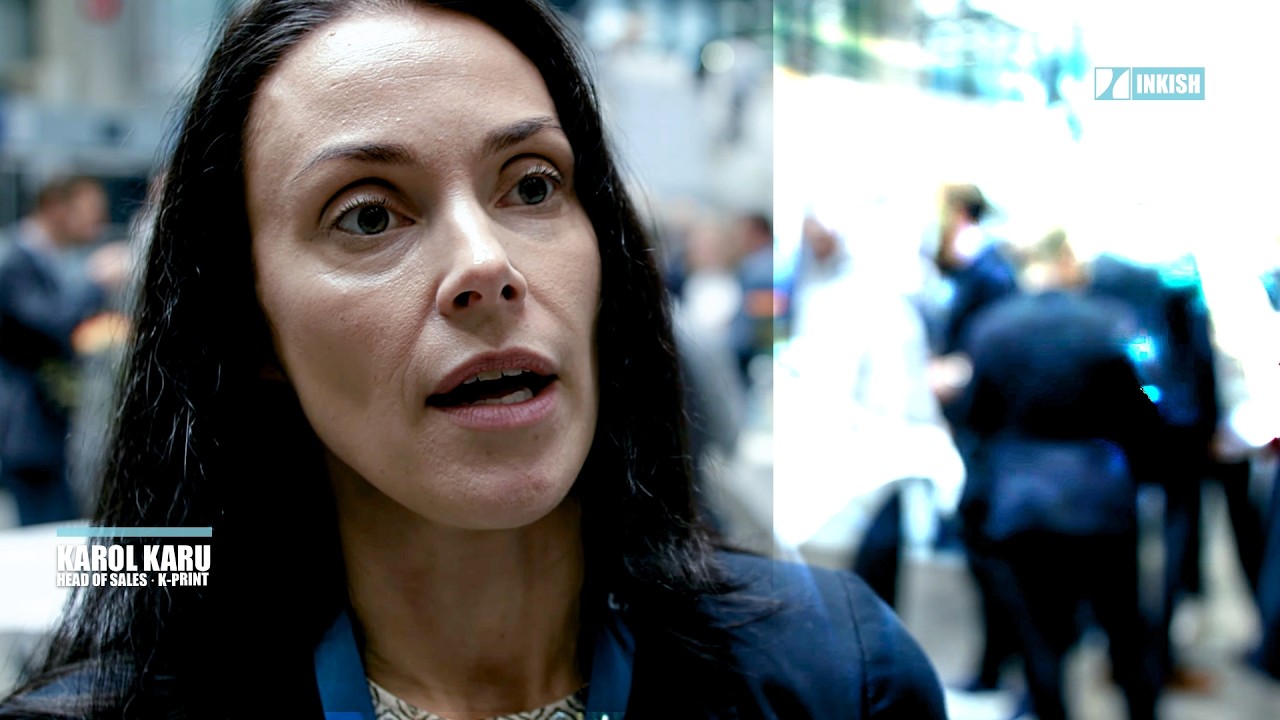
Karol Karu · Head of Sales · K-Print · Sh...
Karol Karu is the Head of Sales for Estonian printing company K-Print. In this interview, she talks about how the Nordia/Baltic consolidation is a huge advantage for them. She also surprises your humble editor by saying that they experience larger print runs on average and therefore, of course, keep an eye on digital, but they are not really afraid of the competition here. Super interesting!