


















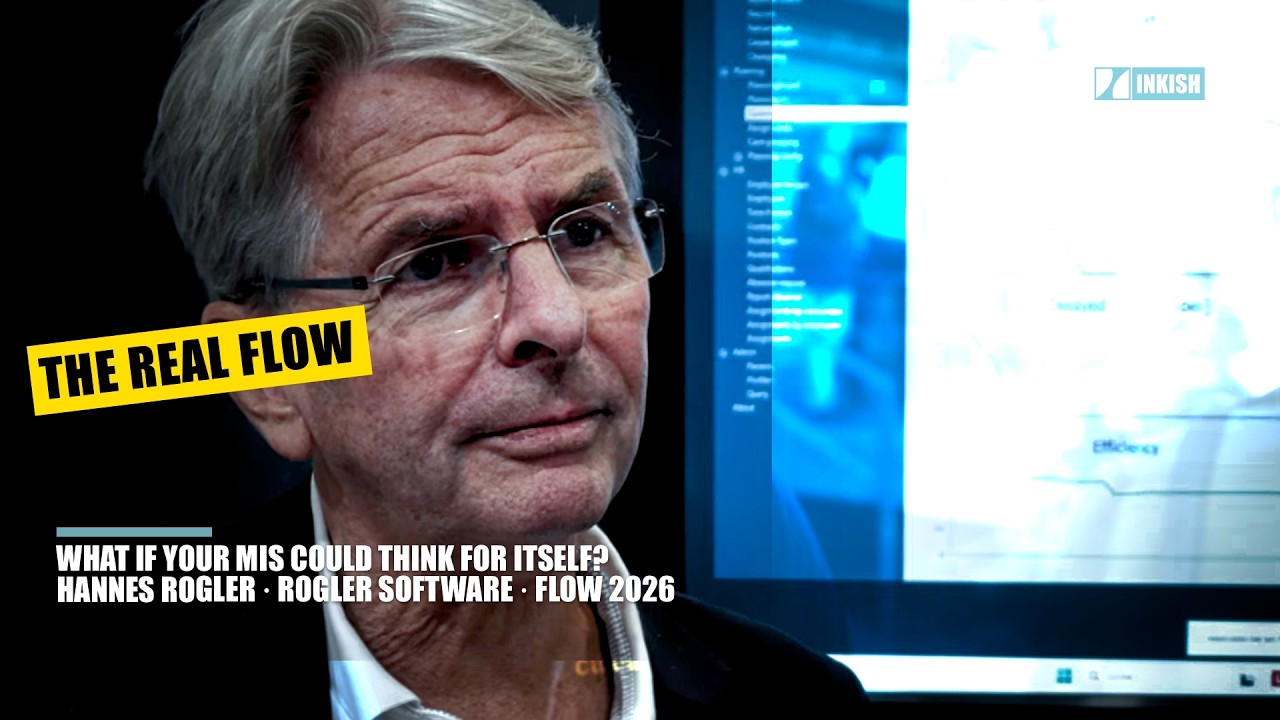
What If Your MIS Could Think for Itself? · Hannes Rogler · Rogler Software · FLOW 2026
Imagine receiving an email from a customer requesting 500 business cards and having your MIS automatically understand the specifications, prepare an estimate, and suggest the most efficient production route. No complicated menus, no repeated data entry — just a conversation with your system.
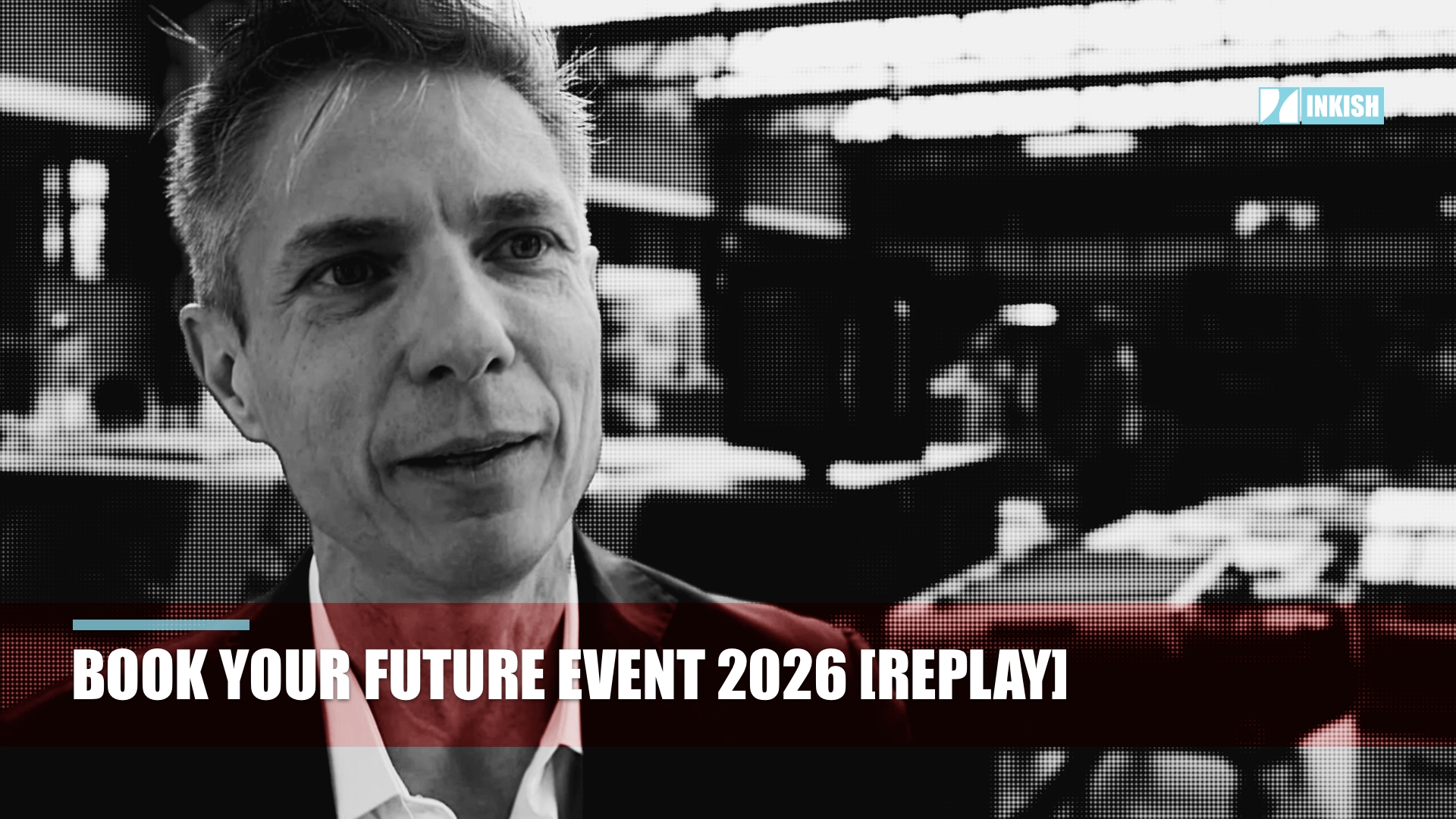
At FLOW 2026 in Bad Hersfeld, INKISH’s Wayne Beckett meets Hannes Rogler from Austrian software developer Rogler to explore how artificial intelligence is transforming print management information systems.
Rogler’s approach goes far beyond adding AI as another feature. Instead of navigating traditional menu structures, users can increasingly interact with the MIS through natural language, asking it to open customer records, analyze incoming emails, interpret job specifications, and prepare quotations. When customer requirements are unclear, the system can even support a dialogue to clarify the details.
But the possibilities don’t stop at estimating.
Hannes explains how AI-driven production planning can optimize jobs based on machine capacity, available staff, working hours, formats, colors, finishing requirements, and production priorities. Instead of manually building every schedule, planners can increasingly focus on supervising and adjusting an intelligently generated production plan.
The conversation also covers integration with specialized ganging solutions, the importance of connecting different parts of the production process, and Rogler’s international presence through partners in Europe, India, and China.
Perhaps one of the most interesting developments is how AI can make sophisticated MIS technology easier to use, even for employees without extensive printing industry experience.
A practical look at how artificial intelligence is moving from being a helpful assistant to becoming an active part of estimating, workflow management, and production planning.
Recorded at FLOW 2026 · Bad Hersfeld, Germany · INKISH


No Data Found.
Content for this section will appear here once available
Wed November 4th
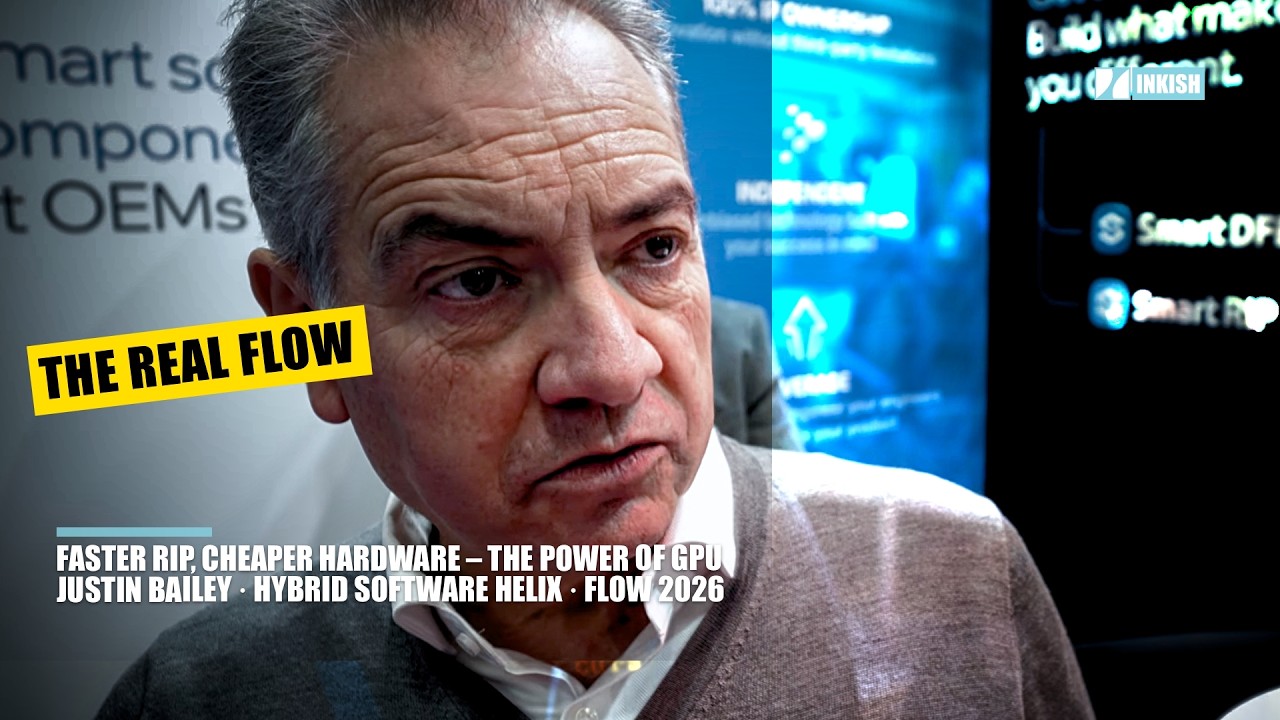
Faster RIP, Cheaper Hardware – The Power of...
What if the secret to faster, more affordable digital printing isn't more powerful hardware, but smarter software? At FLOW 2026 in Bad Hersfeld, INKISH's Wayne Beckett meets Justin Bailey, who leads Hybrid Software Helix, formerly Global Graphics Software, to explore the technology behind some of the printing industry's best-known equipment manufacturers. Hybrid Software Group brings together specialized companies covering prepress, workflow, color management, inkjet electronics, and core software technologies. From Hybrid Software and ColorLogic to Meteor Inkjet, Xitron, and Helix, the group provides technology supporting a wide range of printing applications. And there's a good chance you're already using its technology without knowing it. Justin explains how core technologies such as the Harlequin RIP and Mako SDK are licensed to major equipment manufacturers, enabling them to develop their own branded solutions without building everything from scratch. But the real highlight of this conversation is SmartRIP, a new GPU-native raster image processing technology designed to deliver impressive performance using relatively inexpensive graphics hardware. Rather than relying on increasingly expensive computing systems, SmartRIP uses parallel processing capabilities to improve performance while reducing hardware requirements. Combined with integrated color management and simplified media handling, it offers OEMs and integrators a more efficient foundation for developing print solutions. For print service providers and converters, the benefits ultimately come down to something very familiar: higher performance, lower costs, and better margins. A fascinating conversation about the technology most printers never see, but increasingly depend on, and why software innovation could be just as important as advances in printing hardware. And yes, Wayne and Justin even manage to put their West Ham and Millwall rivalry aside in the name of integration! Recorded at FLOW 2026 · Bad Hersfeld, Germany · INKISH