















The United States of America (USA), commonly known as the United States (U.S. or US) or America, is a country consisting of 50 states, a federal district, five major self-governing territories, and various possessions.[g] At 3.8 million square miles (9.8 million km2), it is the world’s third- or fourth-largest country by total area[c]. Most of the country is located in central North America between Canada and Mexico. With an estimated population of over 328 million, the U.S. is the third most populous country in the world. The capital is Washington, D.C., and the most populous city is New York City.

Paleo-Indians migrated from Siberia to the North American mainland at least 12,000 years ago.[19] European colonization began in the 16th century. The United States emerged from the thirteen British colonies established along the East Coast. Numerous disputes between Great Britain and the colonies led to the American Revolutionary War lasting between 1775 and 1783, leading to independence.[20] The United States embarked on a vigorous expansion across North America throughout the 19th century—gradually acquiring new territories,[21]displacing Native Americans, and admitting new states—until 1848 when it spanned the continent.[21] During the second half of the 19th century, the American Civil War led to the abolition of slavery in the United States.[22][23] The Spanish–American War and World War I confirmed the country’s status as a global military power.

The United States emerged from World War II as a global superpower. It was the first country to develop nuclear weapons and is the only country to have used them in warfare. During the Cold War, the United States and the Soviet Union competed in the Space Race, culminating with the 1969 Apollo 11 mission, the spaceflight that first landed humans on the Moon. The end of the Cold War and collapse of the Soviet Union in 1991 left the United States as the world’s sole superpower.[24]

The United States is a federal republic and a representative democracy. It is a founding member of the United Nations, World Bank, International Monetary Fund, Organization of American States (OAS), NATO, and other international organizations. It is a permanent member of the United Nations Security Council.

A highly developed country, the United States is the world’s largest economy by nominal GDP, the second-largest by purchasing power parity, and accounts for approximately a quarter of global GDP.[25] The United States is the world’s largest importer and the second-largest exporter of goods, by value.[26][27] Although its population is 4% of the world total,[28] it holds 29.4% of the total wealth in the world, the largest share of global wealth concentrated in a single country.[29] Despite income and wealth disparities, the United States continues to rank very high in measures of socioeconomic performance, including average wage, median income, median wealth, human development, per capita GDP, and worker productivity.[30][31] It is the foremost military power in the world, making up more than a third of global military spending,[32] and is a leading political, cultural, and scientific force internationally.[33]

Photo Credits
Photo by Nik Shuliahin on Unsplash
Photo by Julius Jansson on Unsplash
Photo by Bonnie Kittle on Unsplash
En En thumbnials of the images

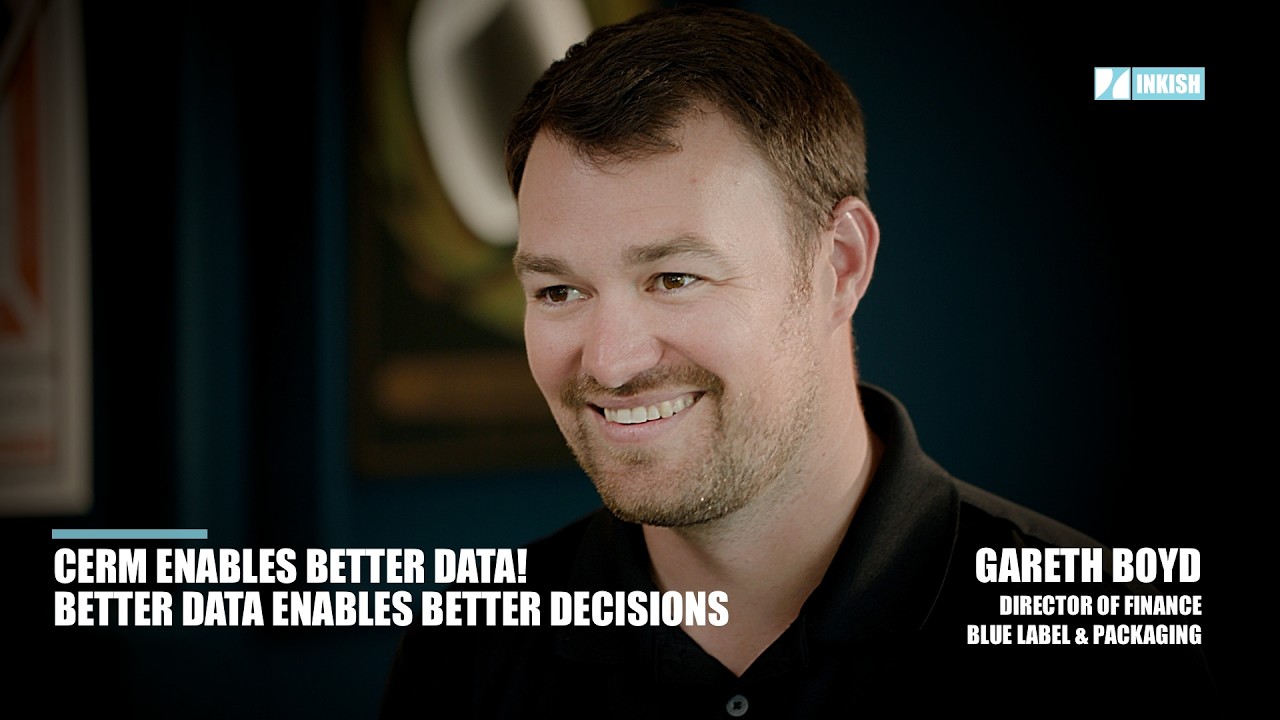
CERM Enables Better Data which helps with Better Decisions · Gareth Boyd · Blue Label Packaging
At Blue Label Packaging, technology is important—but people, partnerships, and the ability to use data intelligently are what really make the difference. In this film, Morten B. Reitoft talks to Gareth Boyd, Director of Finance at Blue Label Packaging, about how the company uses technology, data, and strong partnerships to continuously improve its business. Blue Label has grown from its roots in craft beer labels into a much broader label business serving breweries, wineries, spirits, specialty foods, and brands found on shelves across the US. Along the way, the company has built an impressive technology platform that combines HP digital printing, ABG finishing, and CERM, with CERM serving as the software backbone connecting production, administration, customer data, and increasingly sophisticated reporting. For Gareth Boyd, the financial perspective goes far beyond traditional accounting. Live shop-floor information, consumptions, clockings, sales figures, production data, and customer information flow through CERM and into Power BI, giving him and the management team an almost immediate view of what is happening throughout the business. That visibility also changes process improvement. Instead of implementing a change and waiting months to determine whether it worked, Blue Label can see the impact in the numbers almost immediately. Different departments can build reporting around exactly the information they need—from marketing and sales to production, operations, and finance. But the story is also about something less measurable: partnership. Gareth describes CERM as a company willing to listen, customize, connect old and new technology, and develop solutions when a customer requirement doesn’t fit neatly into an existing box. Over the years, CERM has evolved from essentially being the system where orders were placed into something Blue Label simply cannot imagine operating without. And perhaps that philosophy reflects Blue Label itself. Quality and delivery are expected. What differentiates a company is how it responds when something doesn’t go exactly as planned—whether someone answers the phone, solves the problem, and continues investing in the relationship. Technology, live data, process improvement, culture, and people all come together in this conversation with Gareth Boyd—a fascinating insight into how Blue Label Packaging continues to develop its business with a long-term perspective.

En thumbnials of the images

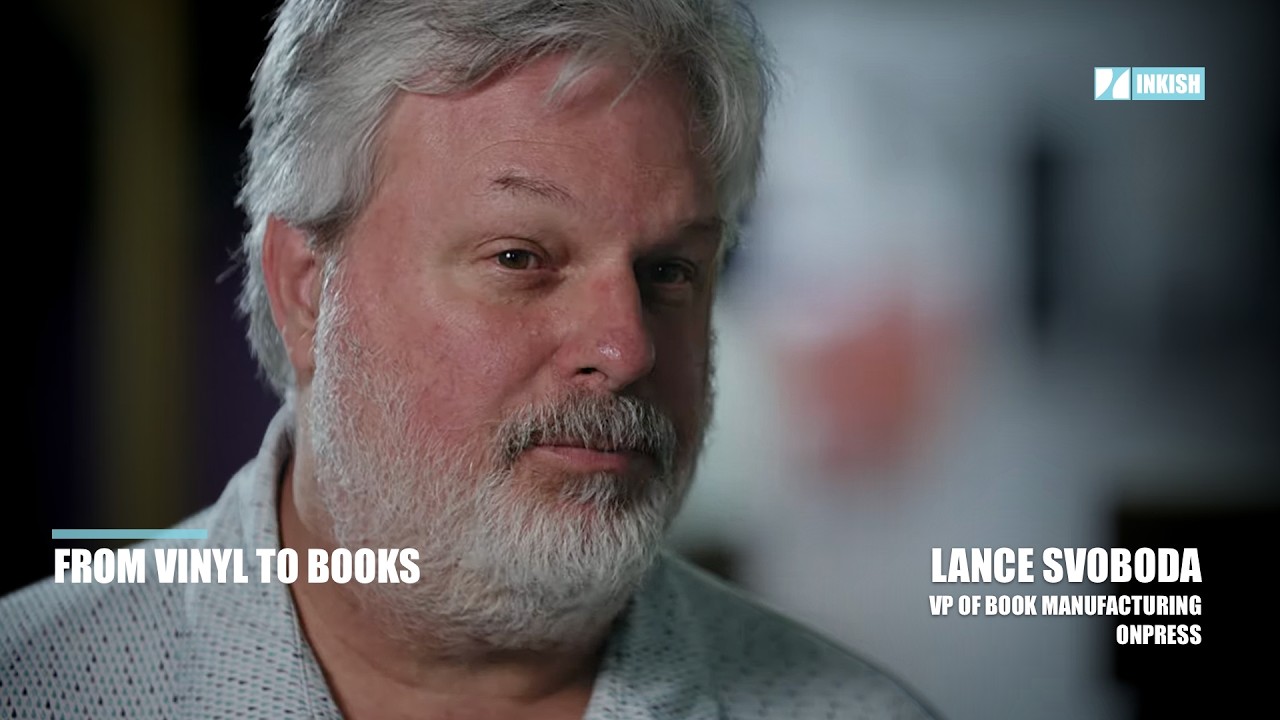
From Vinyl to Books · Lance Svoboda · VP of Book Manufacturing · OnPress

As we arrived at OnPress in our Uber, we immediately noticed that the building seemed to house several different businesses. It quickly became clear, however, that many of the names were actually part of OnPress itself, reflecting the wide range of services the company offers. Back when CDs and DVDs were huge, they represented a significant part of OnPress’ business, and as those markets changed, so did the company. Interestingly, OnPress still produces a considerable number of CDs and DVDs, so despite the obvious decline in demand, these formats remain popular for certain applications and markets. We quickly moved on to the printing side of the business, where a line of Xeikon presses was set up to produce roll-to-roll. As the VP of Book Manufacturing Lance Svoboda explained, these machines are true workhorses. They run almost 24/7, deliver remarkably consistent quality, and rarely require major service, making them ideal for the type of production OnPress handles. The main reason for our visit, however, was OnPress’ recent investment in Meccanotecnica’s perfect binding line. The system is used for both paperback production and producing book blocks for hardcover books, and everything is installed in an impressively compact and efficient setup. I must admit that the print quality from the Xeikon presses combined with the chosen binding technology was a very convincing match. The finished books simply looked great. Talking with Lance Svoboda also made it very clear that he understands technology and knows exactly what he wants from his production. His enthusiasm for the Meccanotecnica perfect binding line was impossible to miss. And that is perhaps particularly interesting when you remember that Meccanotecnica has spent decades building its reputation around Smyth sewing. Moving into perfect binding means entering a market where several competitors have just as much experience in perfect binding as Meccanotecnica has in sewing. That takes commitment, confidence in the technology, and a clear understanding of what customers need. At OnPress, that decision appears to have paid off. The combination of Xeikon digital printing and Meccanotecnica finishing creates a remarkably efficient book production environment, and judging from Lance Svoboda’s enthusiasm, OnPress is a very pleased customer — for sure!

En thumbnials of the images

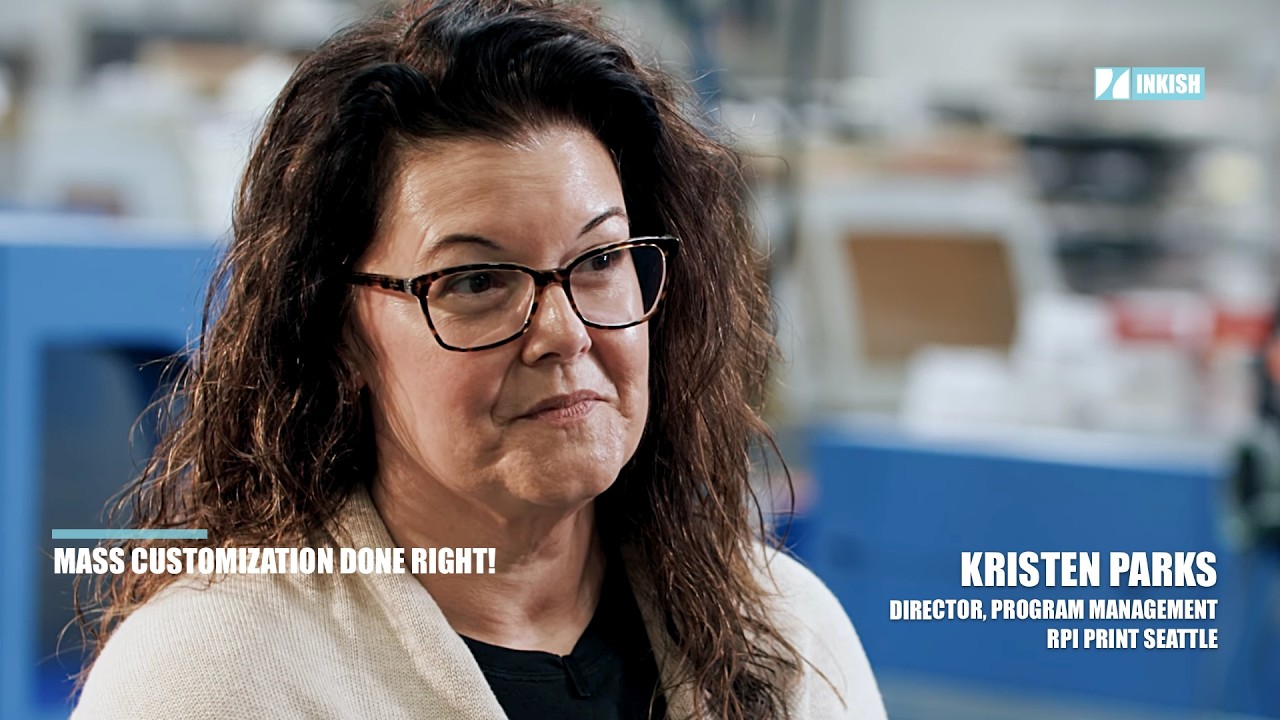
Mass Customization Done Right! · Kristen Parks · Director of Program Management · RPI Print

RPI Print is built around digital print manufacturing at scale — producing everything from photo books, cards, calendars, yearbooks, and personalized products to a growing range of publishing applications. In this film, Morten B. Reitoft talks to Kristen Parks, Director, Program Management at RPI Print, about how the company combines HP and Canon digital printing technology with an extensive finishing setup from Horizon, Müller Martini, Kolbus, Duplo, Bograma, and others. The objective is simple: automate as much as possible, maintain quality, and create a production platform that can scale dramatically during seasonal demand peaks. And peak really means peak. During the busiest periods, RPI Print operates 24/7, while the challenge throughout the rest of the year is to balance seasonal work with customers and applications that can keep the factories busy year-round. Kristen Parks has been with RPI Print for 17 years and has developed a strong passion for the operational side of the business. New technology, new processes, new product opportunities — and, not least, the people behind the production — continue to make the industry interesting and constantly changing. We also talk about people. Automation and investment in more productive equipment can reduce the dependency on labor, but experienced operators remain extremely important. Keeping skilled employees throughout the year makes it considerably easier to scale when volumes increase, supplemented by temporary staff and even administrative employees helping production during the busiest periods. New investments are evaluated based not only on capacity, but also on what customers are asking for. Embellishment, greater product variety, shorter publishing runs, and new finishing options are all part of the discussion as RPI continues to explore where print-on-demand is headed. With facilities in Washington State, the Atlanta area, and Rochester, New York, and not to forget Paro/RPI Print EU, RPI Print has built a highly scalable production platform — ready to handle both everyday production and the extreme volumes that come with seasonal peaks. Enjoy the walkthrough and conversation with Kristen Parks from RPI Print.

En thumbnials of the images

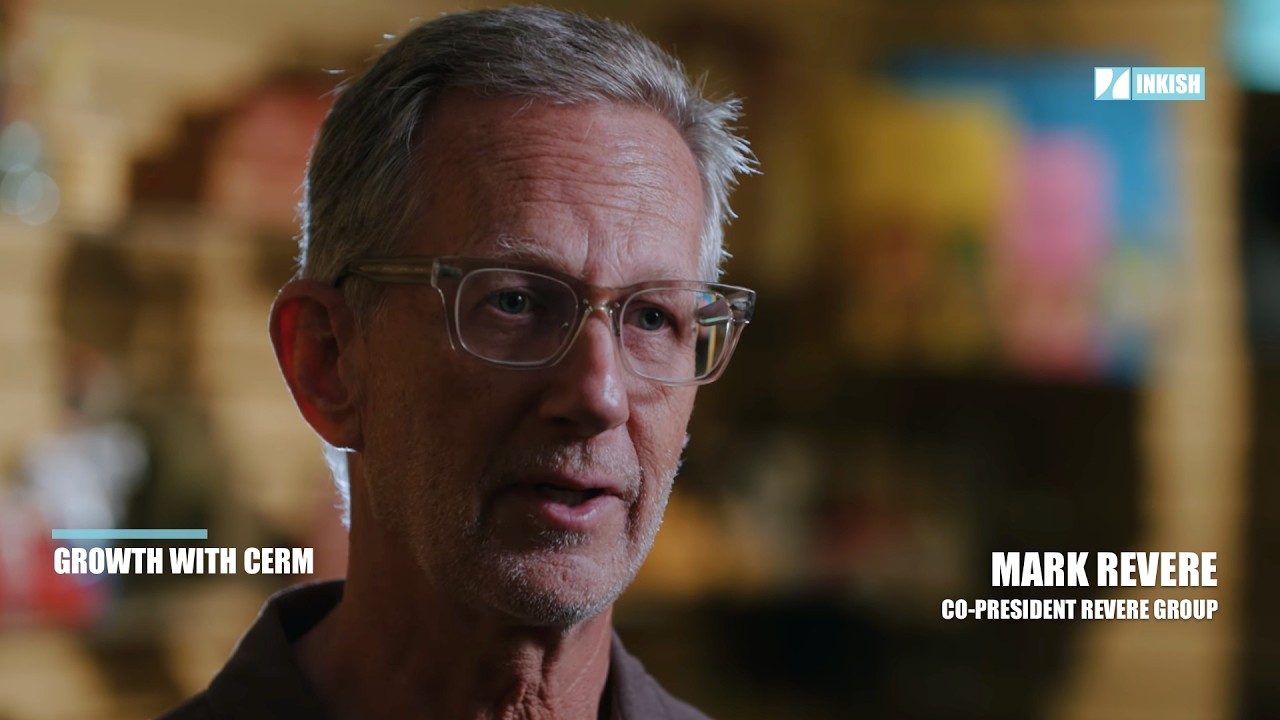
CERM changed the agenda and delivered Growth · Mark Revere · Co-President · The Revere Group

What started in 1938 as a small brokerage serving the confectionery industry has evolved into Revere Group, a 63-person packaging company with capabilities in printing, laminating, converting, and cold-seal. Still family-owned, Revere Group today serves confectioners and premium food producers across the US with both stock packaging and highly customized solutions. In this film, Co-President Mark Revere shares the story of Revere Group and explains how implementing CERM has become an important part of the company's development. Moving from an advanced Excel-based system to an integrated MIS has connected estimating, orders, production, invoicing, and accounting while providing significantly more insight into how individual jobs actually perform. That data makes a difference. Jobs that are underperforming can be identified and adjusted, while efficiencies can also be passed back to customers through more competitive pricing. Most importantly, automation has supported substantial growth without requiring the company to add employees at the same pace. For a business where employees, customers, and suppliers are regarded as long-term partners rather than disposable resources, technology is seen as a tool for growth rather than simply a way to reduce headcount. With future plans that may involve multiple sites and digital production, CERM has become much more than an administrative system. It is part of the infrastructure supporting Revere Group's next chapter. Watch the film and meet Co-President Mark Revere and a family business where relationships, manufacturing, data, and technology have evolved together for almost 90 years.

En thumbnials of the images

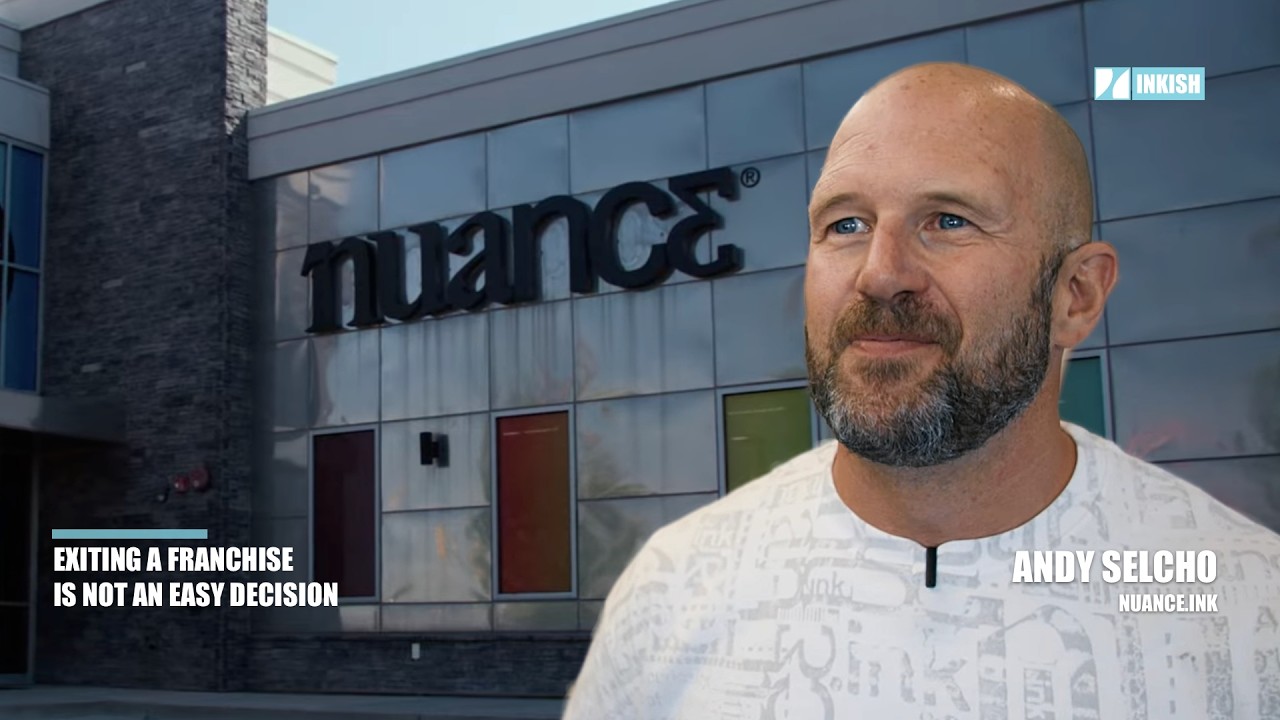
Exiting a Franchise is not an easy decision Andy Selcho CEO Nuance.ink

For more than 30 years, the family behind Nuance has built its printing business in Sandy, Utah. When INKISH visited two years ago, the company operated under another name as part of a major American printing franchise. Today, the team, ownership, and equipment remain the same—but the company has taken a significant new step. Nuance is now independent. For owner Andy Selcho, leaving a network that had contributed considerably to the company’s development was not an easy decision. The business was founded by his father, and the former franchise had played an important role in helping it reach its current position. But when the agreement ended, the family had to consider not only where the company had come from, but where it wanted to go next. The result is Nuance—a name and identity intended to represent the company more authentically and allow the team to provide a more personal and valuable service to its customers. The printing industry has changed significantly. A considerable part of the market continues to focus on speed and low prices, but Nuance sees growing opportunities in print created with greater intention. The objective is not simply to manufacture another printed product, but to understand what the piece is expected to accomplish. What role does it play in the customer journey? What should the recipient notice, feel, understand, or do? And how can materials, design, production, finishing, and delivery help the printed communication perform its job more effectively? Nuance has always operated as a high-value printer, but the ambition is now to make everything it produces more valuable. That does not necessarily mean making every project more expensive. Sometimes the improvement comes from asking better questions, understanding the purpose of the job, or making small changes that encourage the recipient to look again. The company describes this ambition as creating “curious customers.” An unusual business card, a tactile surface, an unexpected format, or a carefully considered finishing detail can reward another look. The printed piece becomes more than information—it becomes an experience that creates interest and strengthens communication. Nuance also recognizes that no printing company can own every technology required to produce every possible solution. The company’s responsibility is therefore not limited to what can be manufactured internally. When specialist partners or external capabilities are needed, the objective remains the same: to make the process seamless and deliver the strongest possible result for the customer. The transformation into Nuance has not changed the ownership, employees, or production equipment. What has changed is the company’s way of thinking about print and the value it can create. The long-term ambition is both simple and bold: to make the world better by making print better. Watch the film and meet Andy Selcho and the Nuance team as they begin a new independent chapter—built on family history, customer conversations, valuable communication, and print that rewards another look.

En thumbnials of the images

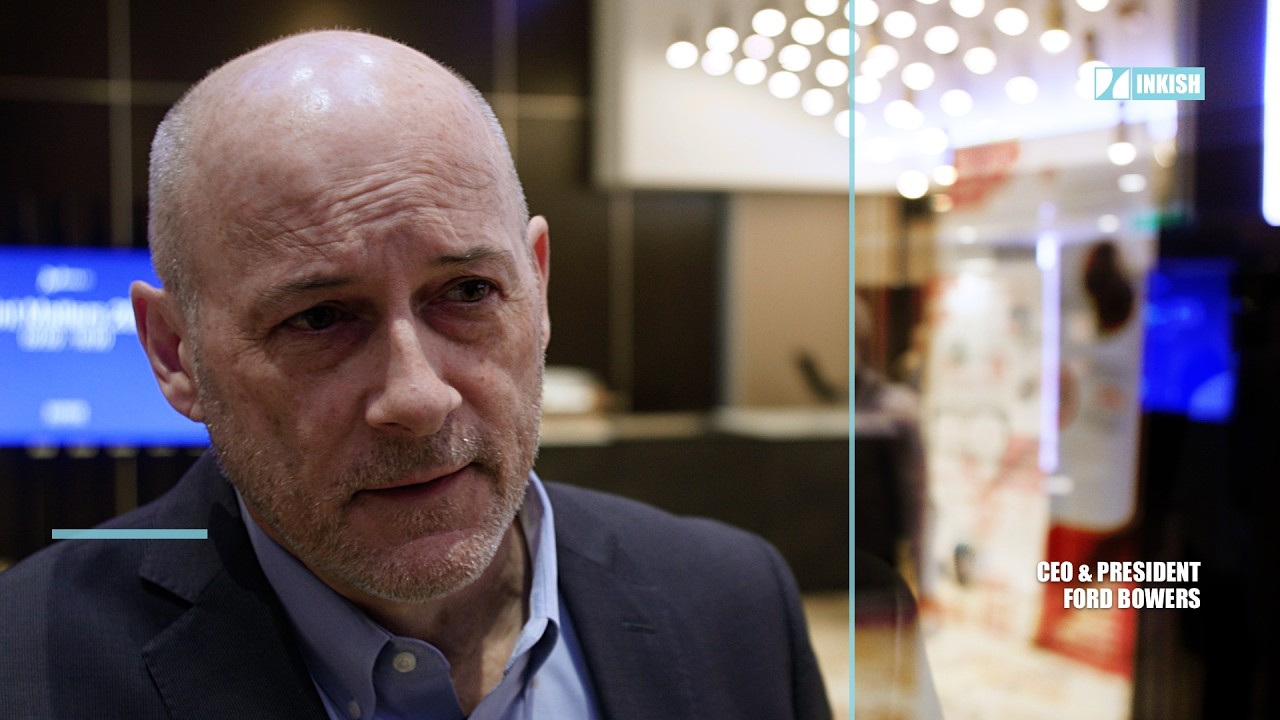
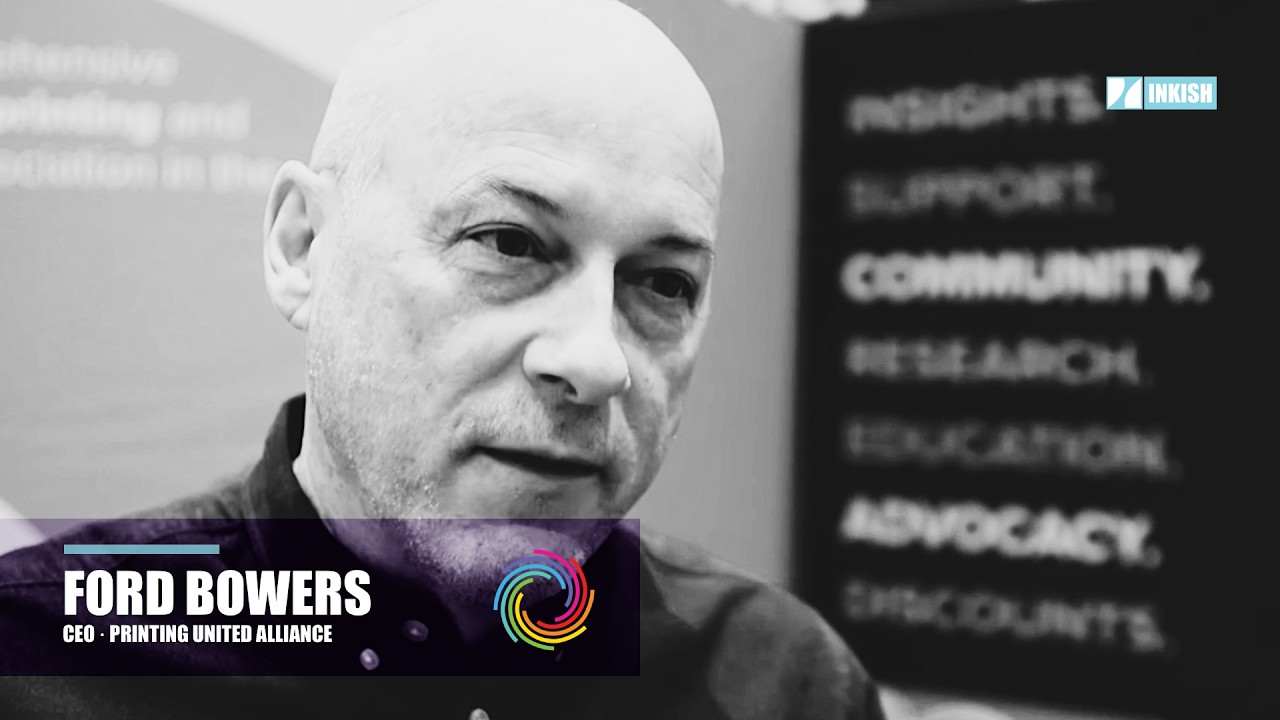
Ford Bowers · CEO & President · PRINTING United Alliance · Print Matters 2026

At Intergraf Print Matters in Budapest, Morten Reitoft speaks with Ford Bowers, CEO of Printing United Alliance, about the similarities and differences between the European and North American printing industries. As one of the most influential voices in the U.S. print market, Ford shares his perspective on industry trends, market dynamics, automation, and the challenges facing print businesses on both sides of the Atlantic. The conversation begins with a discussion about what European events, such as Print Matters, can offer international visitors. While the United States is often viewed as an early adopter in certain areas, Ford explains that Europe frequently leads in others, particularly in regulation, measurement, sustainability initiatives, and industry-wide collaboration. These differences create valuable opportunities for learning and knowledge exchange between markets. Morten and Ford dive into industry statistics, productivity measurements, and the challenges of comparing European and American print markets. They discuss consolidation, the role of large acquisitions in shaping industry revenues, and why headline numbers can sometimes mask important differences between commercial print, wide-format, apparel decoration, packaging, and other print segments. The interview also explores one of the industry's most important topics: the relationship between automation and people. From AI and robotics to workflow automation and so-called lights-out manufacturing, Ford reflects on the practical realities of implementing technology in production environments. While automation continues to advance, he argues that the human element remains critical, particularly in businesses built around creativity, customization, and customer-specific solutions. The discussion concludes with thoughts on labor, productivity, workforce development, and the importance of international events in helping industry leaders learn from one another. It also touches on Printing United Expo in Las Vegas and why bringing together technology providers, printers, and industry professionals remains essential as the industry evolves. A candid and insightful conversation about global printing markets, automation, productivity, and the future of print from a uniquely transatlantic perspective.

En thumbnials of the images

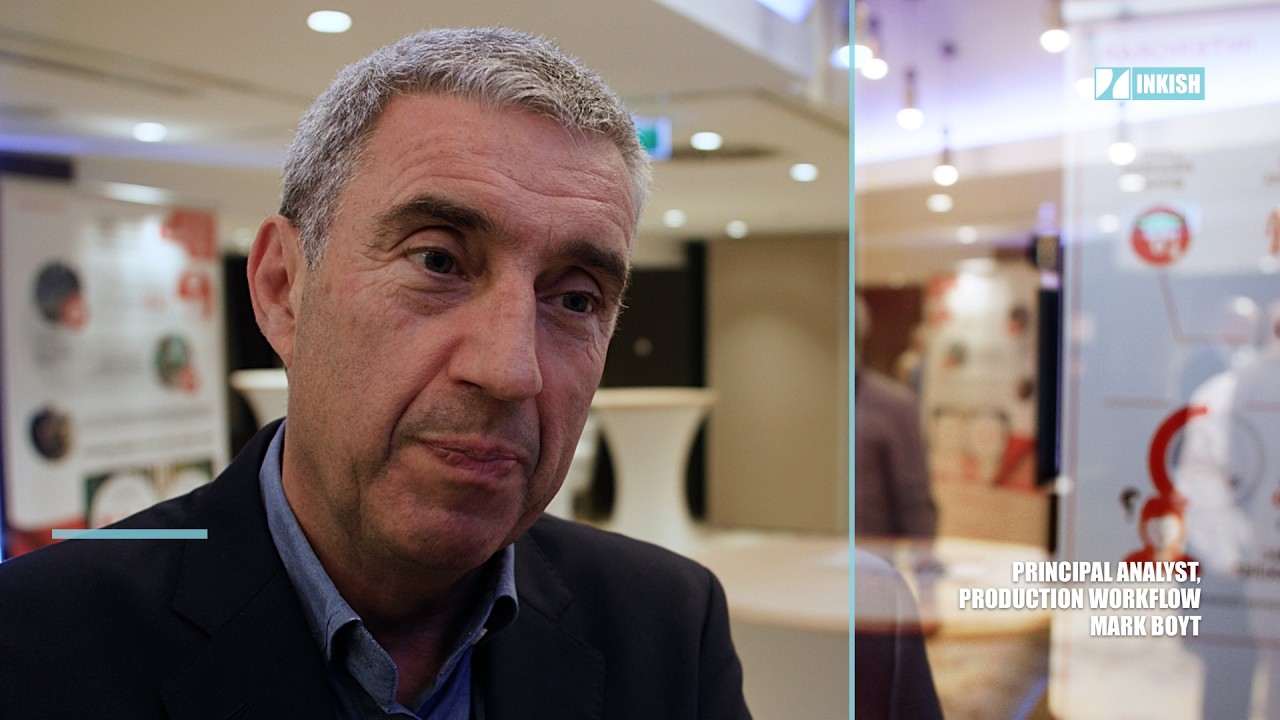
Mark Boyt Principal Analyst, Production Workflow · Keypoint Intelligence · Print Matters 2026

At Intergraf Print Matters in Budapest, Morten Reitoft speaks with Mark Boyt, Principal Analyst at Keypoint Intelligence, following his presentation on robotics and automation in the printing industry. As labor shortages, rising costs, and increasing production demands continue to challenge print service providers, robotics is emerging as one of the industry's most discussed technologies. The conversation explores the practical realities behind industrial robotics, humanoid robots, and automation on the production floor. Mark explains that while humanoid robots attract significant attention, many of the real challenges still come down to fundamental issues such as gripping, handling, and moving printed materials efficiently. Whether the future belongs to robotic arms, mobile robots, humanoids, or a combination of technologies, the goal remains the same: helping printers maintain productivity in an environment where skilled labor is becoming increasingly difficult to find. Morten and Mark also discuss one of the industry's most important questions: who ultimately benefits from productivity gains? Historically, much of the value created by automation has been passed on to customers in the form of lower prices. As robotics becomes more widespread, printers will face decisions about whether productivity improvements should strengthen profitability, offset labor shortages, or support continued price competitiveness. The discussion examines how robotics is already being implemented in print production environments, including examples of companies developing their own robotic integrations rather than relying solely on equipment manufacturers. Mark shares insights into the growing ecosystem of robot suppliers, system integrators, and print technology vendors that are shaping the next generation of automated production. Another important theme is accessibility. While robotics has traditionally been viewed as a major capital investment, new business models such as Robotics-as-a-Service could make automation available to smaller printing companies that previously lacked the resources to invest. This shift may help democratize access to automation across the industry and enable businesses of all sizes to benefit from robotic technologies. The interview concludes with a broader discussion about the future of robotics in print, the role of AI, and how industry adoption may accelerate as solutions become more standardized, affordable, and easier to deploy. A fascinating conversation about technology, productivity, workforce challenges, and the next wave of automation transforming the printing industry.

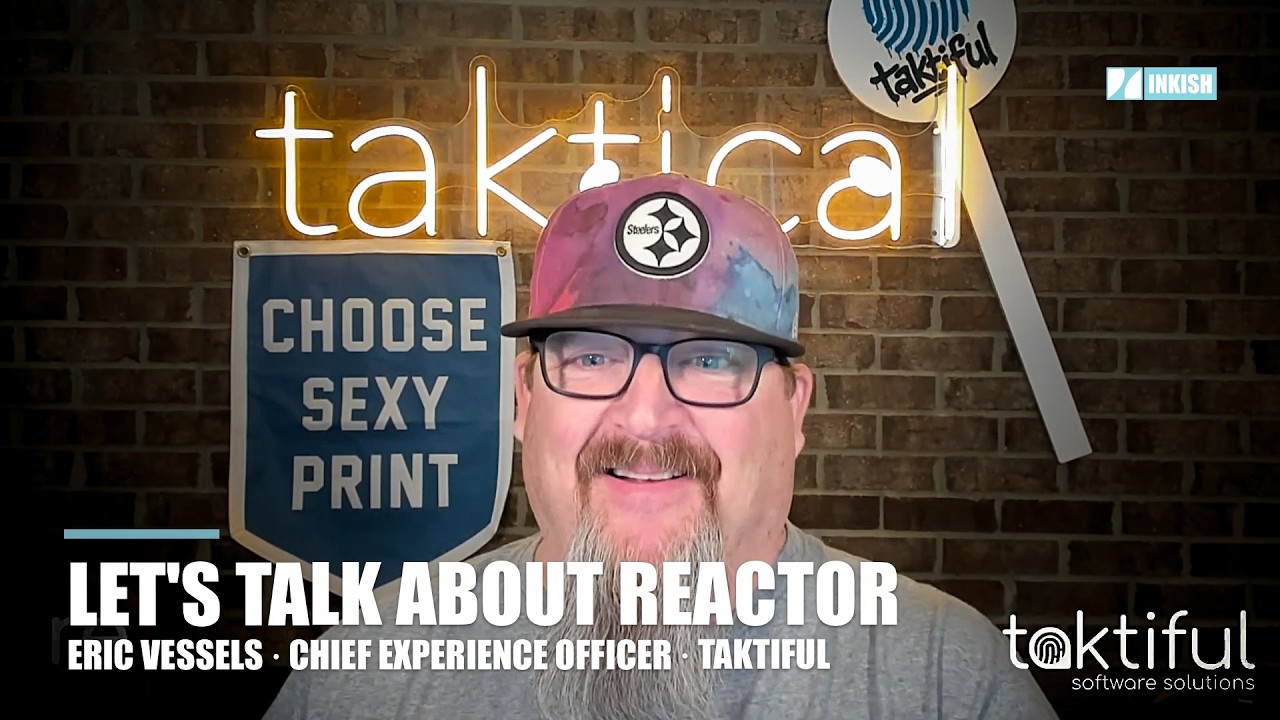
Eric Vessels Let’s talk about Reactor Chief Experience Officer Taktiful

A conversation that starts with “vibe” quickly turns into something much more fundamental. In this INKISH interview, Morten Reitoft sits down with Eric Vessels from Taktiful to explore what may very well define the next phase of the print industry. Taktiful isn’t just a company. It’s a community, a training platform, and—if you ask Eric—a mindset. One that moves beyond transactions and into something far more powerful: creating fans instead of customers. Because in a world where print has been heavily commoditized, differentiation is no longer about speed or price—it’s about value, emotion, and experience. The conversation dives deep into what Eric calls “the value era” of digital embellishment. While traditional print has optimized for efficiency, embellishment opens a completely different playbook—one where uniqueness drives margin, and where tactile experiences create emotional engagement that digital media simply cannot replicate. This is where print regains its superpower. Morten challenges the thinking, pushing into pricing strategies, psychology, and the industry’s tendency to undervalue its own capabilities. From market-variable pricing models to the psychology of touch, the discussion reveals how much opportunity is still left untapped—not because the technology isn’t there, but because the mindset often isn’t. The interview also introduces Taktiful’s latest development: Reactor. A 3D visualization tool designed to bridge one of the biggest gaps in embellishment—showing rather than telling. By transforming layered PDF files into interactive, photorealistic previews, Reactor enables sales teams and customers alike to see, feel, and understand the value before anything is printed. But beneath the tools and strategies lies something else. A clear belief that the print industry doesn’t need to become something new—it needs to rediscover what already makes it unique. The ability to create physical experiences that people can touch, feel, and emotionally connect with. As Eric puts it: don’t take yourself too seriously—but take the business seriously. And maybe that balance—between playfulness and purpose—is exactly what the industry needs right now. Eric Vessels: https://www.linkedin.com/in/ericvessels/