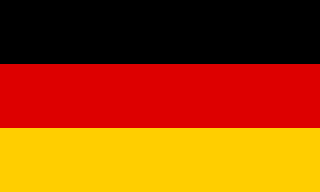



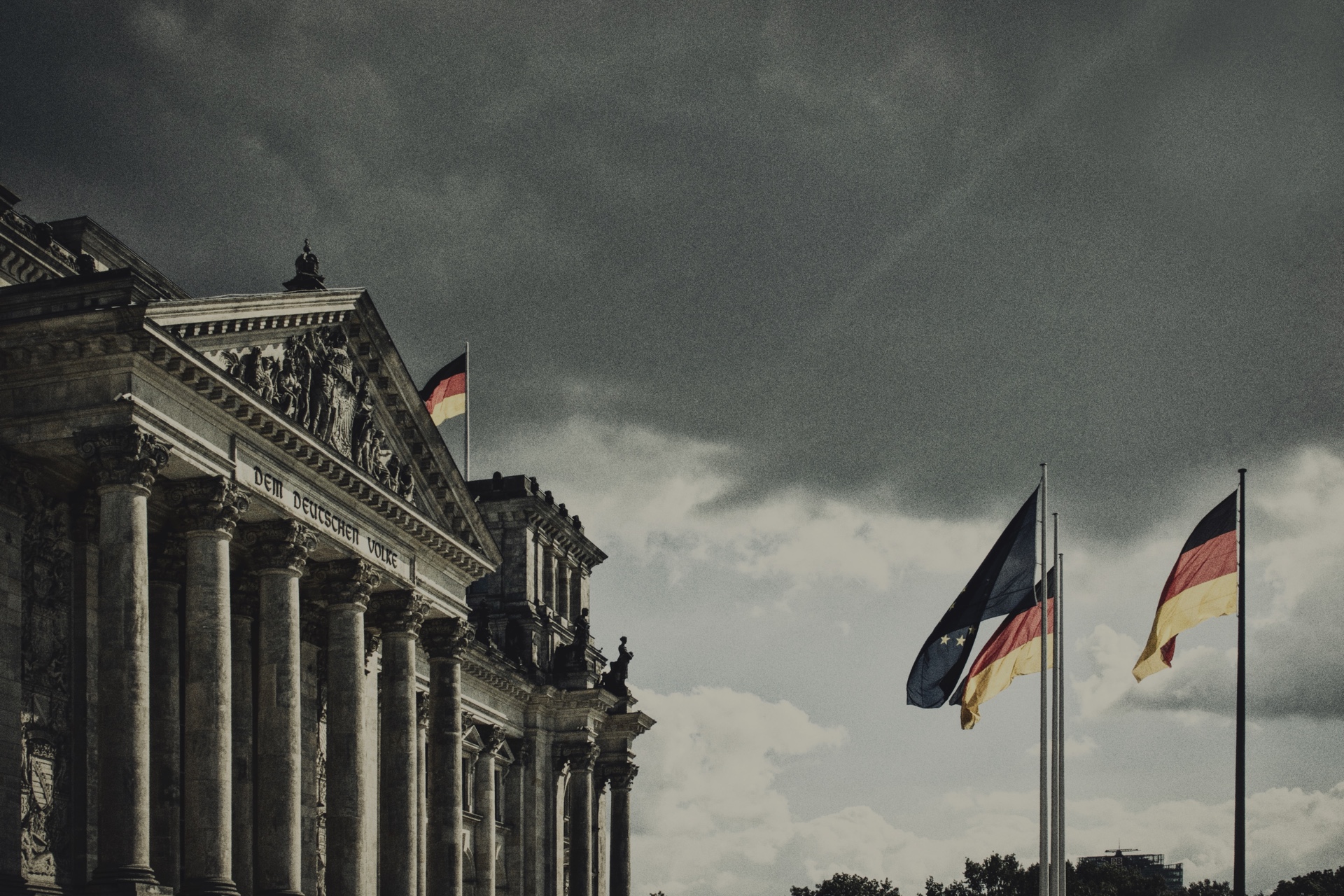
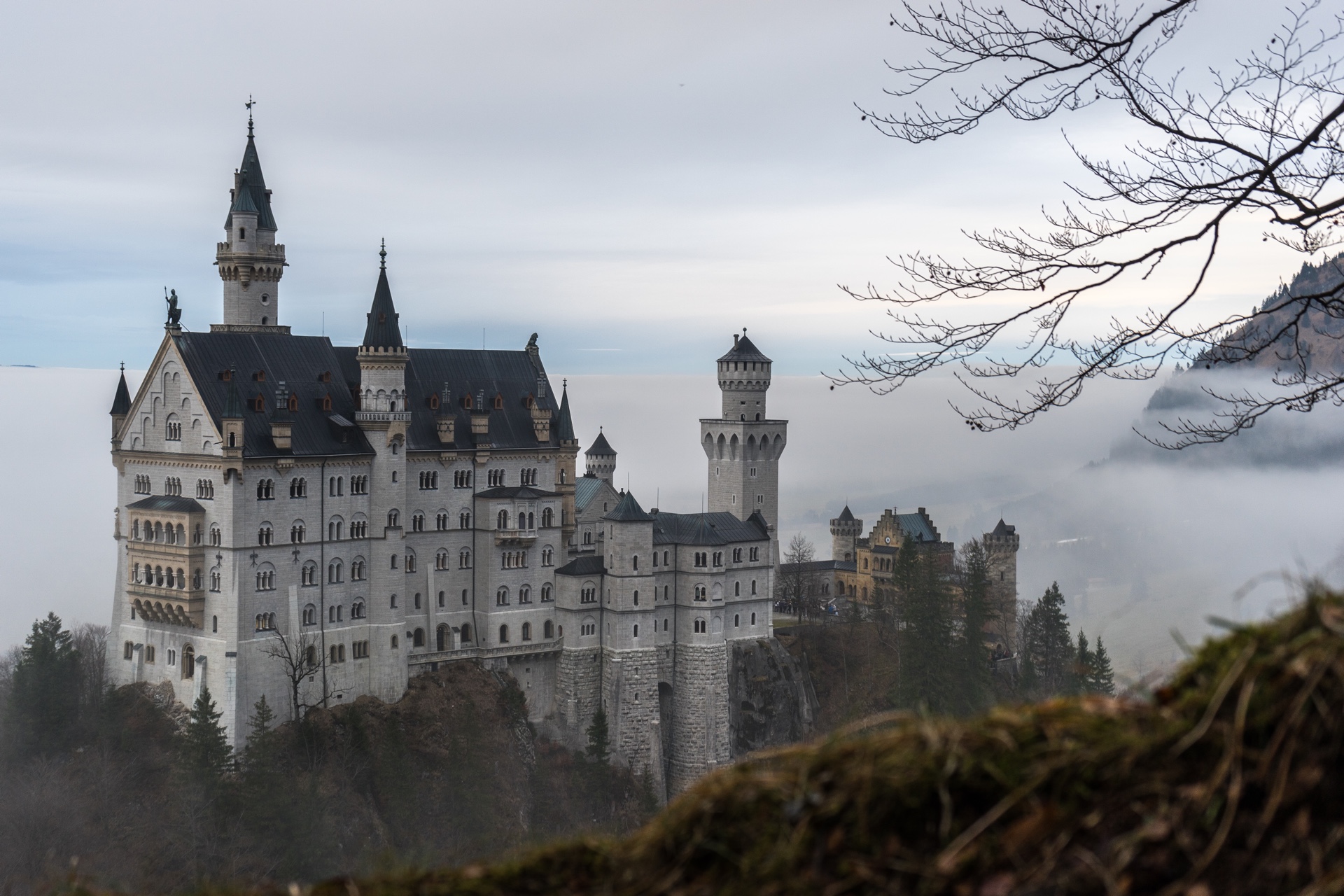
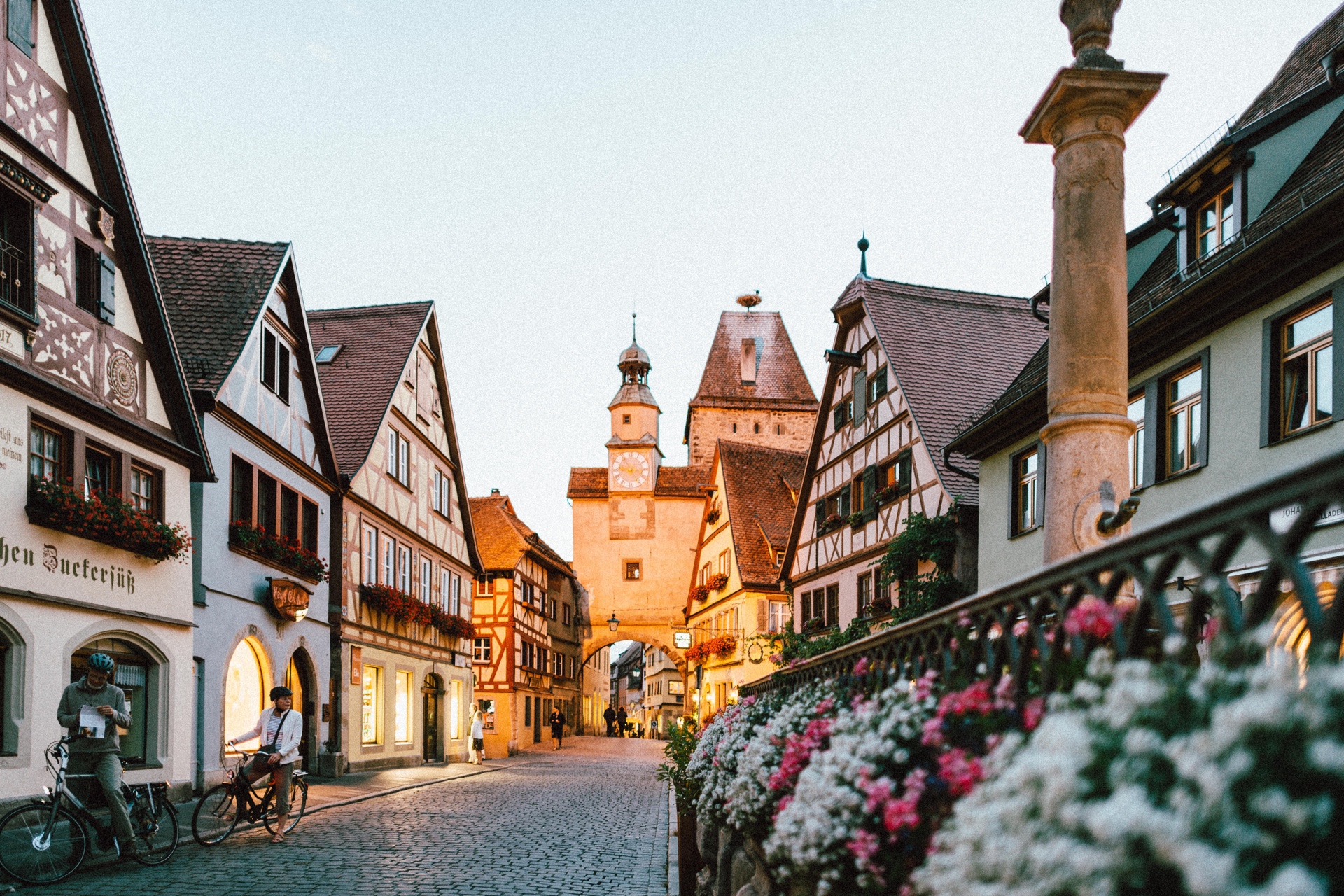
Germany (German: Deutschland, German pronunciation: [ˈdɔʏtʃlant]), officially the Federal Republic of Germany (German: Bundesrepublik Deutschland, About this soundlisten ),[g] is a country in Central and Western Europe, lying between the Baltic and North Seas to the north and the Alps, Lake Constance and the High Rhine to the south. It borders Denmark to the north, Poland and the Czech Republic to the east, Austria and Switzerland to the south, France to the southwest, and Luxembourg, Belgium and the Netherlands to the west.

Germany includes 16 constituent states, covers an area of 357,386 square kilometres (137,988 sq mi),[7] and has a largely temperate seasonal climate. With 83 million inhabitants, it is the second most populous state of Europe after Russia, the most populous state lying entirely in Europe, as well as the most populous member state of the European Union. Germany is a very decentralised country. Its capital and largest metropolis is Berlin, while Frankfurt serves as its financial capital and has the country’s busiest airport. Germany’s largest urban area is the Ruhr, with its main centres of Dortmund and Essen. The country’s other major cities are Hamburg, Munich, Cologne, Stuttgart, Düsseldorf, Leipzig, Bremen, Dresden, Hanover, and Nuremberg.

Various Germanic tribes have inhabited the northern parts of modern Germany since classical antiquity. A region named Germania was documentedbefore AD 100. During the Migration Period, the Germanic tribes expanded southward. Beginning in the 10th century, German territories formed a central part of the Holy Roman Empire.[13] During the 16th century, northern German regions became the centre of the Protestant Reformation. After the collapse of the Holy Roman Empire, the German Confederation was formed in 1815. The German revolutions of 1848–49 resulted in the Frankfurt Parliament establishing major democratic rights.

In 1871, Germany became a nation state when most of the German states unified (except Switzerland and Austria) into the Prussian-dominated German Empire. After World War I and the revolution of 1918–19, the Empire was replaced by the parliamentary Weimar Republic. The Nazi seizure of power in 1933 led to the establishment of a dictatorship, the annexation of Austria, World War II, and the Holocaust. After the end of World War II in Europe and a period of Allied occupation, Austria was re-established as an independent country and two new German states were founded: West Germany, formed from the American, British, and French occupation zones, and East Germany, formed from the Soviet occupation zone. About a quarter of Germany’s pre-war territory was annexed by Poland and the Soviet Union leading to the expulsion of Germans. Following the Revolutions of 1989 that ended communist rule in Central and Eastern Europe, the country was reunified on 3 October 1990.[14]

Today, the sovereign state of Germany is a federal parliamentary republic led by a chancellor. It is a great power with a strong economy; it has the world’s fourth-largest economy by nominal GDP, and the fifth-largest by PPP. As a global leader in several industrial and technological sectors, it is both the world’s third-largest exporter and importer of goods. As a highly developed country with a very high standard of living, it upholds a social security and universal health care system, environmental protection, and a tuition-free university education.

The Federal Republic of Germany was a founding member of the European Economic Community in 1957 and the European Union in 1993. It is part of the Schengen Area and became a co-founder of the Eurozone in 1999. Germany is a member of the United Nations, NATO, the G7, the G20, and the OECD. Known for its rich cultural history, Germany has been continuously the home of influential and successful artists, philosophers, writers, musicians, film people, sportspeople, entrepreneurs, scientists, engineers, and inventors. Germany has a large number of World Heritage sites and is among the top tourism destinations in the world.


Photo Credits:

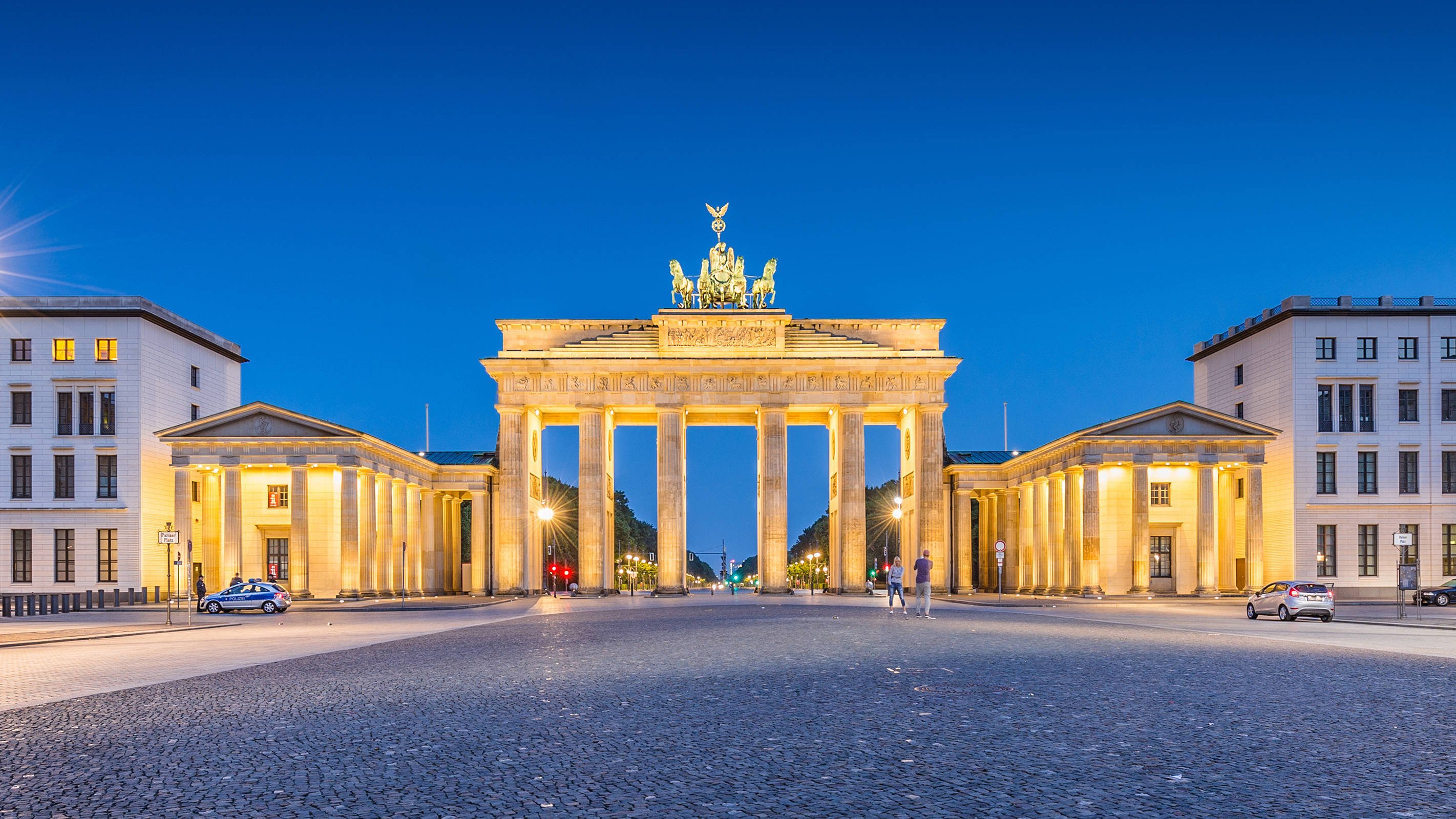
Photo by DAVIDCOHEN on Unsplash
Photo by Roman Kraft on Unsplash
Photo by Mathias Konrath on Unsplash
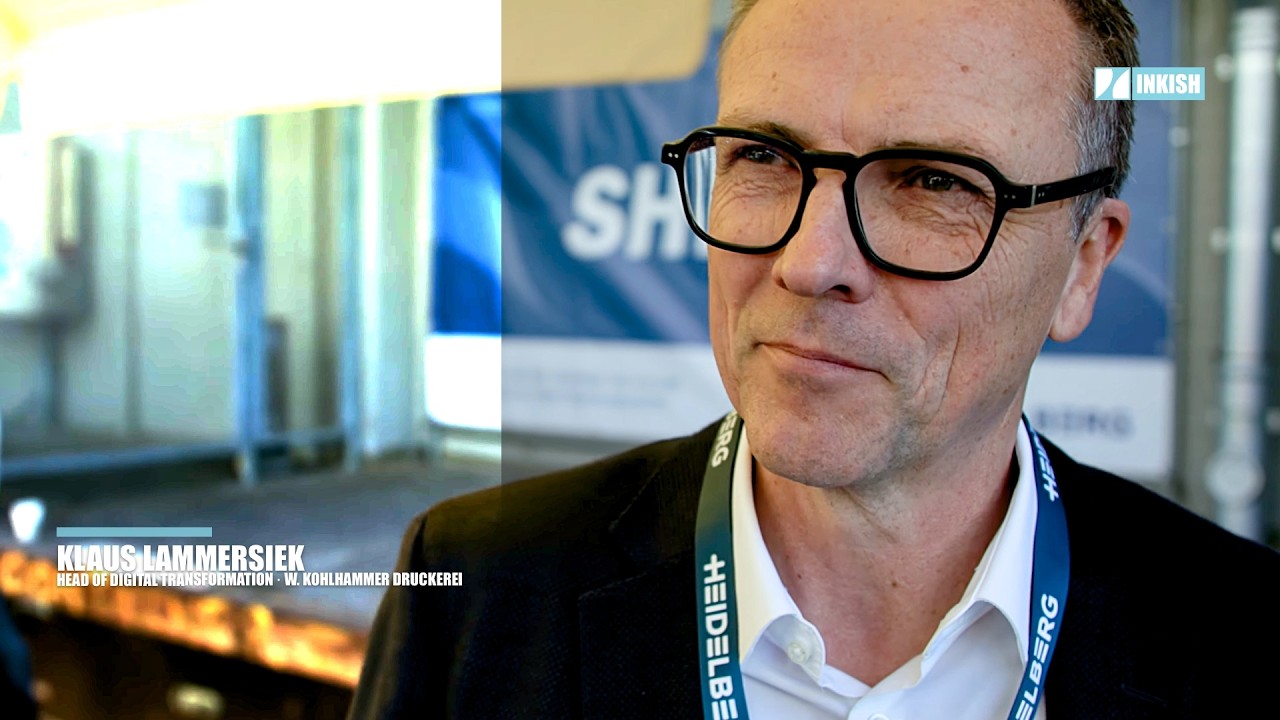
De thumbnials of the images

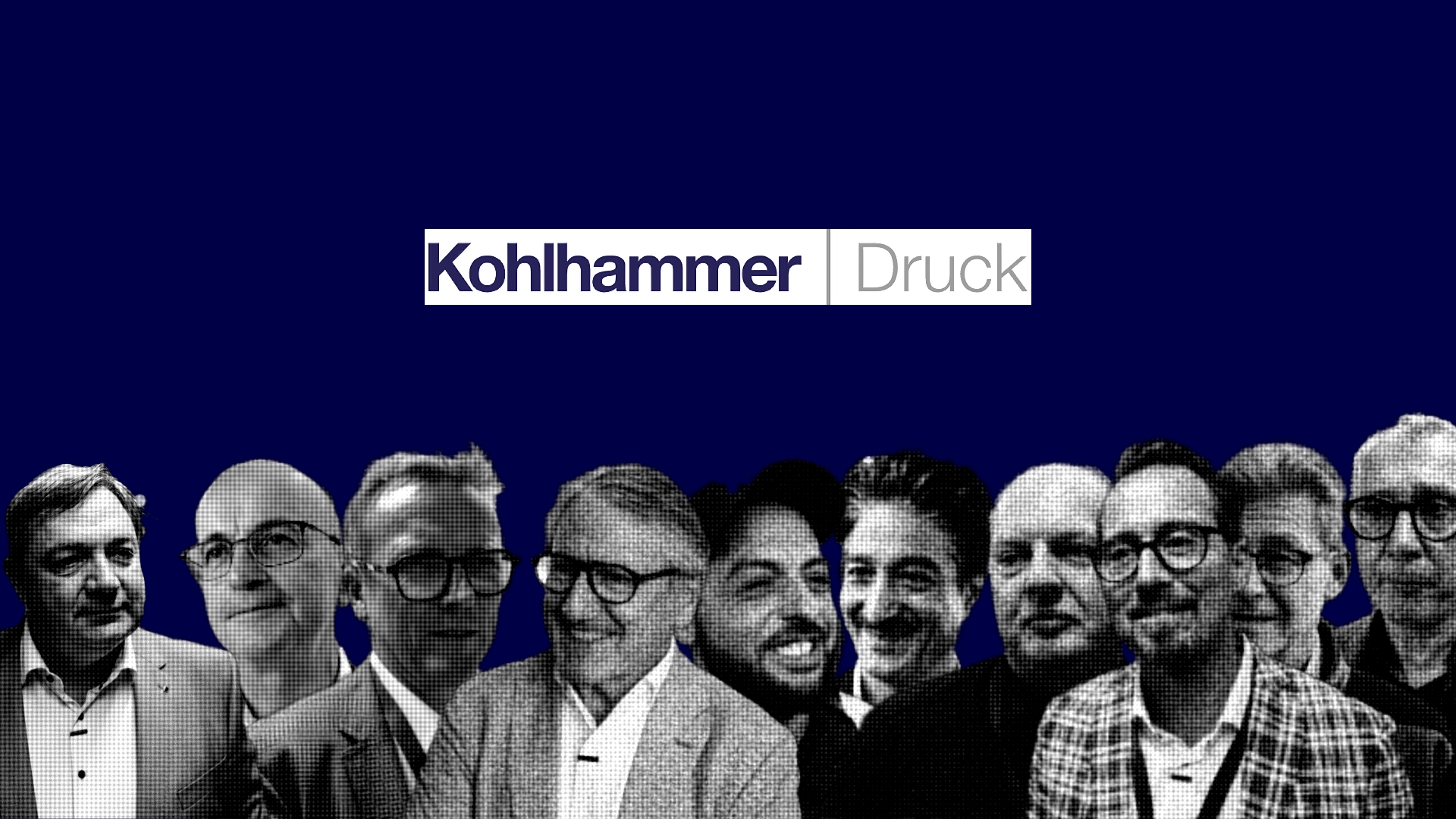
Klaus Lammersiek · Head of Digital Transformation · W. Kohlhammer Druckerei · Shift

English description below: Bei Kohlhammerdruck in Stuttgart beschäftigt sich Klaus intensiv mit der digitalen Transformation – zunächst in kaufmännischen Prozessen, zunehmend aber auch direkt in der Produktion. Beim HEIDELBERG SHIFT Event sprechen wir darüber, welche Rolle KI dabei tatsächlich spielen kann und warum es längst nicht nur darum geht, ein weiteres neues Tool einzuführen. Für Klaus liegt ein großer Nutzen von KI heute vor allem in der Analyse bestehender Prozesse. Aufgaben, für die früher Tage oder sogar Wochen notwendig waren, können heute teilweise innerhalb weniger Stunden vorbereitet, ausgewertet und in eine verständliche Form gebracht werden. Entscheidend ist für ihn jedoch, dass daraus stabile und nachvollziehbare Workflows entstehen. KI muss nicht jeden Prozess permanent steuern, sondern kann genau dort eingesetzt werden, wo Analyse, Interpretation oder Eskalation notwendig werden. Damit verändert Digitalisierung auch die Arbeit der Mitarbeiter. Das Ziel ist nicht einfach, Menschen durch Technologie zu ersetzen, sondern ihnen Werkzeuge zur Verfügung zu stellen, mit denen Entscheidungen besser vorbereitet werden können. Statt Zeit mit wiederkehrenden und administrativen Aufgaben zu verbringen, sollen sich die Kollegen stärker auf das konzentrieren können, was sie tatsächlich können und wo ihre Erfahrung einen Unterschied macht. Klaus begrüßt deshalb auch, dass HEIDELBERG mit SHIFT Verantwortung übernimmt und Themen wie Digitalisierung und künstliche Intelligenz gemeinsam mit der Druckindustrie diskutiert. Für einen der größten Technologieanbieter unserer Branche bedeutet Transformation eben nicht nur neue Maschinen zu entwickeln, sondern auch dabei zu helfen, neue Arbeitsweisen zu verstehen und in die Praxis zu überführen. --- At Kohlhammerdruck in Stuttgart, Klaus is deeply involved in the company’s digital transformation — initially focusing on commercial and administrative processes, but increasingly moving closer to production as well. At the HEIDELBERG SHIFT event, we talk about the role AI can realistically play in this transformation and why it is about much more than simply introducing another new tool. For Klaus, one of the most valuable applications of AI today is the ability to analyze existing processes. Tasks that previously required days or even weeks can now, in some cases, be prepared, analyzed, and translated into an understandable form within hours. The important part, however, is to turn these insights into stable and transparent workflows. AI does not necessarily have to control every process continuously; instead, it can be used where analysis, interpretation, or escalation is needed. Digital transformation also changes the way employees work. The objective is not simply to replace people with technology, but to provide colleagues with tools that allow them to make better-prepared decisions. Instead of spending valuable time on repetitive administrative tasks, employees can increasingly focus on what they are actually good at and where their experience and knowledge create real value. Klaus also welcomes HEIDELBERG taking responsibility by bringing topics such as digitalization and artificial intelligence into an industry-wide discussion through SHIFT. For one of the largest technology suppliers in the printing industry, transformation is not only about developing new machines. It is also about helping the industry understand new ways of working and turning new technology into practical applications.
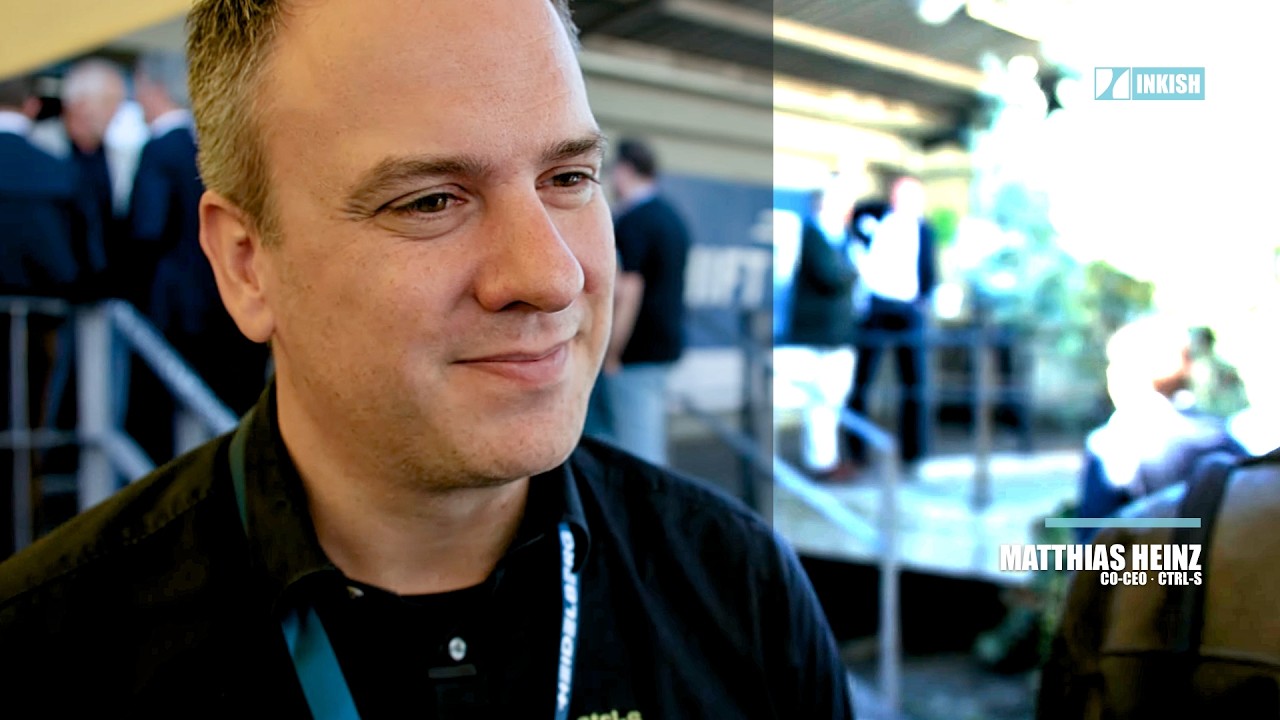
En thumbnials of the images

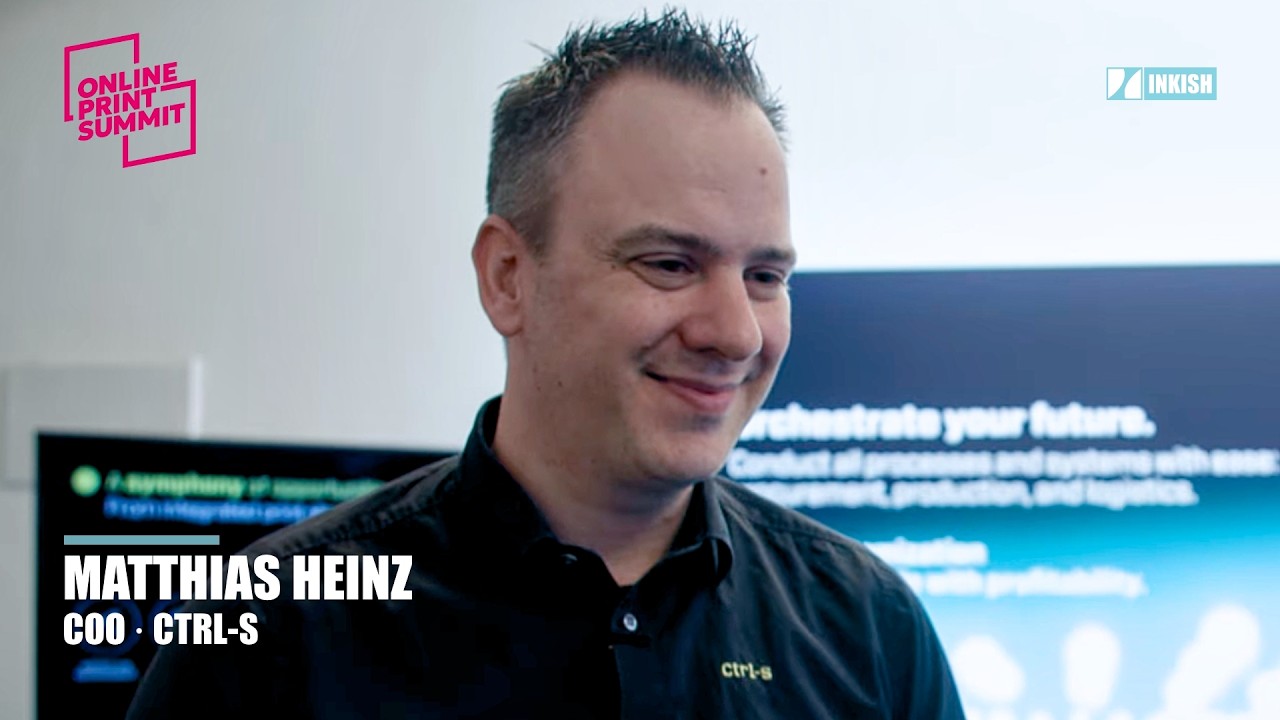
Matthias Heinz · Co-CEO · CTRL-S · Shift

At the HEIDELBERG SHIFT event in Heidelberg, we met with Matthias Heinz from Ctrl-S to talk about something that increasingly defines the future of our industry: the ability to learn, adapt, and turn new ideas into practical projects. For Ctrl-S, events like SHIFT are not only about presenting solutions. They are just as much about listening to other industries, understanding new approaches, and identifying ideas that can be applied to print. Topics such as structured data, specifications, Factory-X, and AI are becoming increasingly important, and Matthias points out that many of these developments require more than technology alone. They require the right mindset and an organization capable of moving quickly. That agility is one of the advantages of being a smaller company. With AI lowering some of the traditional barriers to development, speed is increasingly determined not by the number of employees, but by how quickly a company can make decisions, experiment, and turn knowledge into working solutions. We also talk about Ctrl-S projects with larger printing companies, where the challenge is often to transform complex systems in the background while keeping the user experience familiar and simple. In faster-growing companies, the expectation can be very different: bring the best ideas, best practices, and experience from previous projects and help them move forward as quickly as possible. For Matthias, the value of SHIFT is therefore found in the combination of learning, networking, and conversations that may eventually develop into new projects. And, of course, the conversation ends with another event already on the calendar: FLOW in Germany, November 3–5, where Ctrl-S will also be part of the discussion around software, automation, workflow, and the future of print. #INKISH #HEIDELBERG #SHIFT #CtrlS #ArtificialIntelligence #AI #WorkflowAutomation #DigitalTransformation #FactoryX #PrintingIndustry #FLOW

De thumbnials of the images

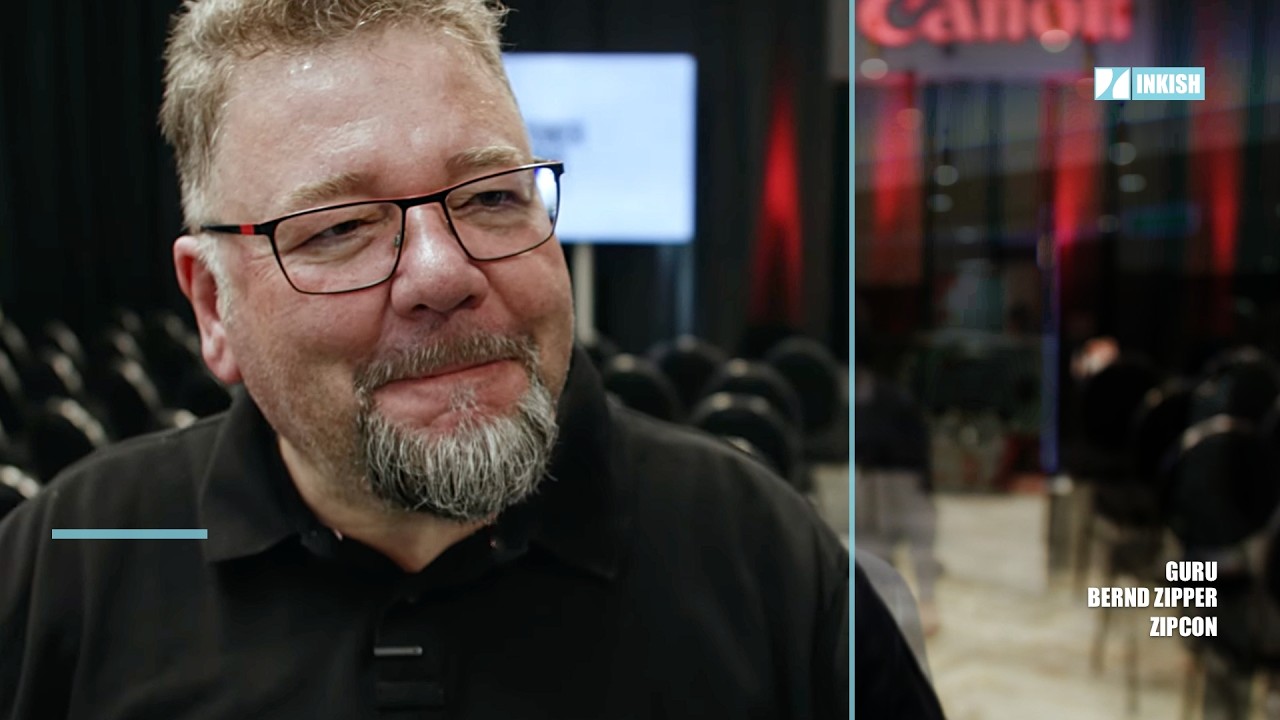
Bernd Zipper GURU Zipcon Power to Move

At Canon's Power to Move event in Venlo, Morten Reitoft sits down with one of the printing industry's most recognized thought leaders, Bernd Zipper from Zipcon, to discuss the technologies and trends that may fundamentally reshape how print is bought, sold, and produced in the years ahead. Having delivered keynote presentations and guided attendees through Canon's technology showcase, Zipper shares his perspective on the industry's rapid evolution and why artificial intelligence has become a central connector across workflow, automation, e-commerce, and production. While many discussions about AI focus on tools and applications, Zipper believes the real transformation lies in how AI enables entirely new ways to connect systems, processes, and customers. A major topic of the conversation is the emerging Universal Commerce Protocol (UCP) initiative and the work being undertaken by organizations such as Initiative Online Print, Intergraf, the BVDM, the Ghent Workgroup, and others to prepare print for a future where AI agents may become active buyers of print products. Rather than navigating websites and order forms, future customers may simply speak to their devices, with AI automatically sourcing, ordering, and delivering print products through standardized communication protocols. Zipper explains why this development could become existential for printers. As commerce becomes increasingly automated, print providers must ensure their systems can communicate with the platforms, protocols, and technologies that will power future purchasing decisions. Those who fail to adapt may find themselves disconnected from entirely new sources of demand. The discussion also explores market consolidation, changing business models, the growing divide between large platforms, niche specialists, and local heroes, and the challenges faced by medium-sized printing companies operating in an increasingly regulated and technology-driven environment. This is a wide-ranging and thought-provoking conversation about AI, e-commerce, automation, industry transformation, and why the next generation of print infrastructure may be very different from anything the industry has seen before.

En thumbnials of the images

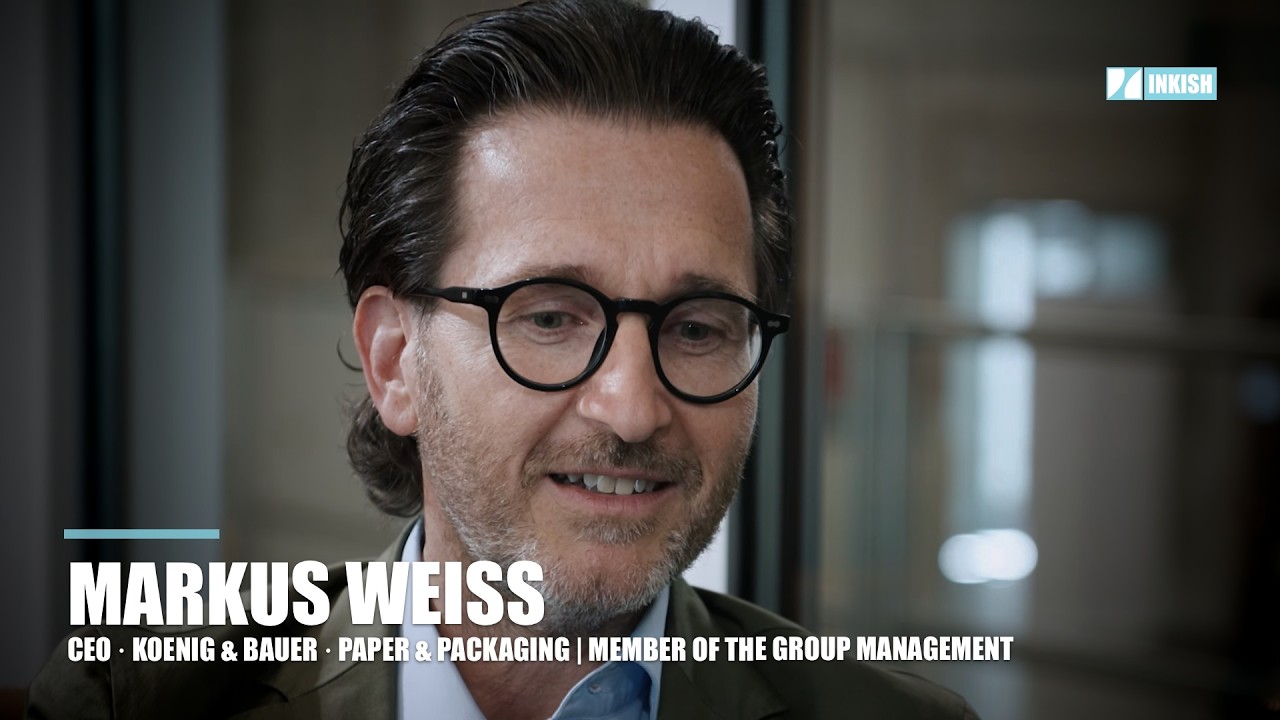
Marcus Weiss · CEO · Koenig & Bauer – Paper & Packaging | Member of the Group Management

In this interview, Morten B. Reitoft sits down with Markus Weiss for a discussion that starts with perspective rather than products. Stepping into a company with more than 200 years of history is one thing. Helping shape where it goes next is something else. Markus Weiss brings nearly two decades of experience from HP Inc., where he played a key role in developing digital print across regions, including EMEA. That background is evident in how he approaches the conversation. Change is not something to react to; it is something to manage, and often to lead. The discussion moves quickly beyond technologies. Because the reality, as Weiss explains, is that customers are not buying offset or digital, they are investing in applications, efficiency, and relevance. The challenge is not choosing one over the other, but understanding how they work together. Another important theme is complexity. Large organizations naturally develop silos across locations, technologies, and cultures. Breaking those silos and aligning around customer needs is easier said than done, but essential if companies want to stay competitive in a fast-changing market. There is also a clear acknowledgment of the financial reality. Innovation is not optional, especially for manufacturers operating in Europe. Balancing innovation with cost efficiency is a constant challenge, and one that requires both discipline and long-term thinking. Beyond strategy, the conversation also touches on leadership. Weiss emphasizes the importance of listening, encouraging direct feedback, and building strong relationships, both internally and with customers. It is a pragmatic approach shaped by experience in dynamic, often demanding environments. This is not a product-focused interview. It is a broader conversation about how to lead a company with deep industrial roots into a future defined by change. Watch the full interview with Markus Weiss to hear how experience, adaptability, and a clear focus on customer needs shape the direction of one of the industry’s most established companies.

En thumbnials of the images

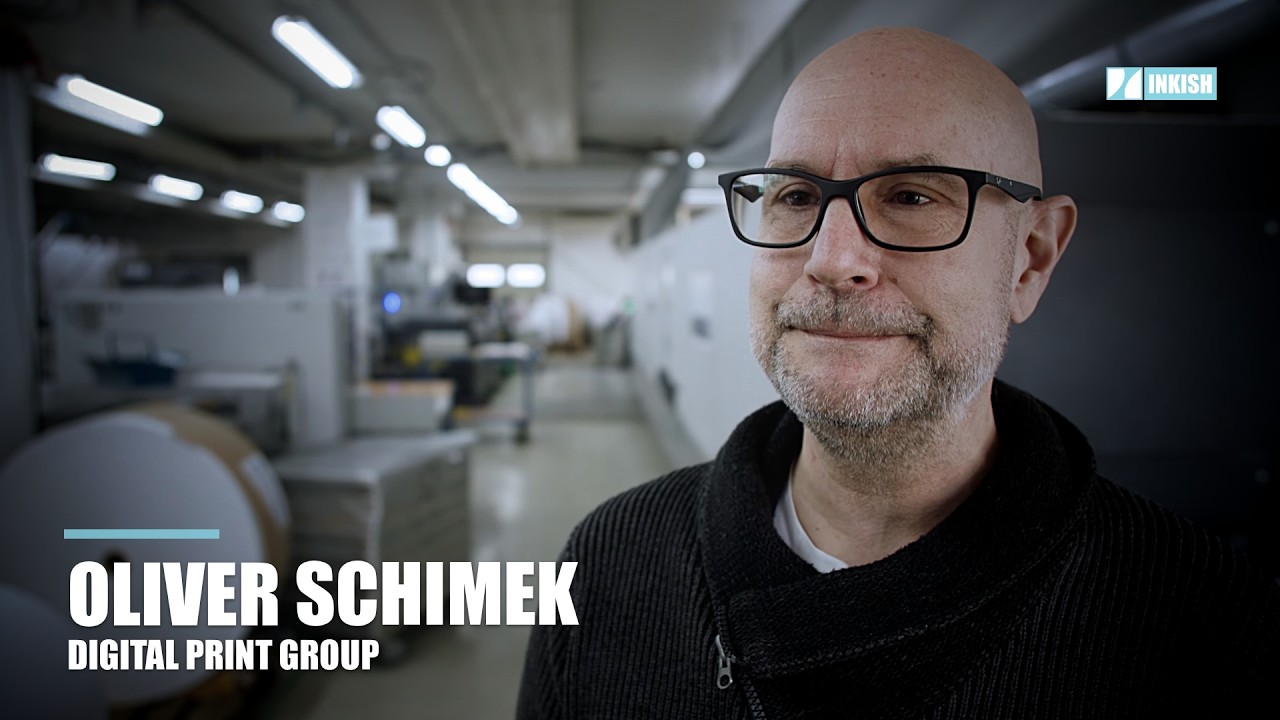
Oliver Schimek · Founder & Managing Director · Digital Print Group

Filmed on location in Nürnberg, this INKISH feature marks the beginning of INKISH Deutschland’s first production tour, as Morten B. Reitoft visits Digital Print Group and speaks with Founder and Managing Director Oliver Schimek about what a modern, highly automated print business looks like in practice. The conversation quickly moves beyond the traditional definition of a printer. Digital Print Group positions itself as a true solution provider, where production is only part of the equation. With roughly half of its workforce dedicated to programming, workflow development, and customer-specific solutions, the company demonstrates how technology, software, and mindset come together to serve increasingly complex customer demands. The film highlights a production environment built on automation and flexibility, where a wide range of equipment from manufacturers such as Canon, Horizon, and Fujifilm is integrated into internally developed workflows rather than relying on standard turnkey systems. A notable aspect of the operation is the extensive use of robotics, implemented not only to address labor shortages in Germany but also to ensure consistent quality and remove repetitive tasks from employees. Serving large and demanding customers requires more than capacity. It requires a company-wide mindset focused on reliability, timing, and responsibility. With a team of 47 employees, Digital Print Group operates in a stable but evolving market, continuously adapting its processes and technologies to remain competitive. This INKISH film offers insight into how one company combines automation, in-house software development, and a strong service culture to redefine what it means to be a printing company today.